GlobalSourceExpoLtd
Get QuoteRequest HubProducts & ServicesAbout usConnect with us

VEGETABLES

product-featured-image

VEGETABLES

“From root to table—grown with care, carried with purpose.”

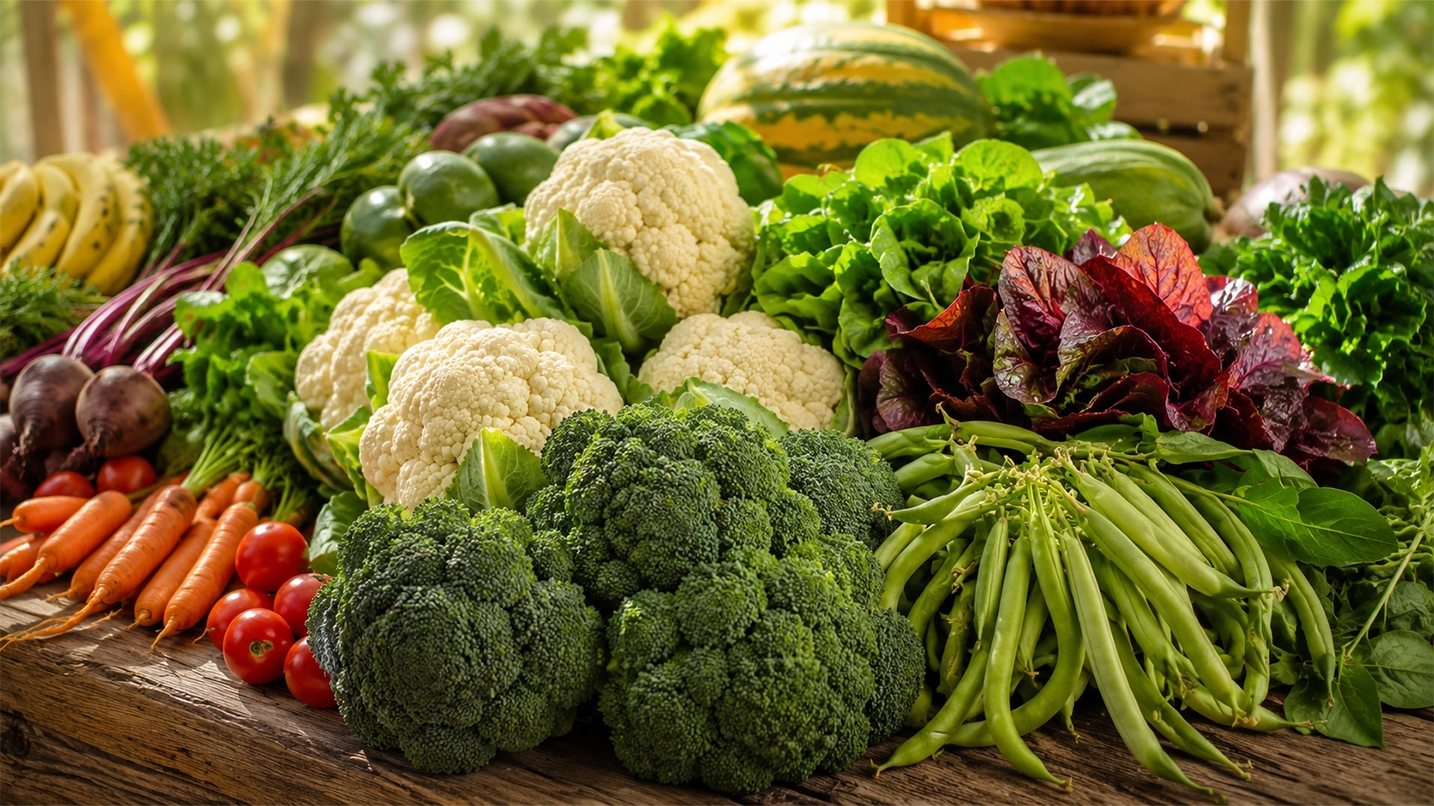
Farmers rise before dawn to irrigate soil, inspect leaves, and harvest at peak freshness. Leafy greens, roots, gourds, and exotic varieties are hand-picked, washed, graded, and packed quickly to protect nutrition and texture.

Cold chains and traceability preserve fiber, vitamins A, C, K, folate, potassium, and antioxidants that support daily health. Crop rotation and composting renew the soil for tomorrow.

Yet growers often receive the least share through long trade layers. Still, they continue—because farming is legacy tied to land and season.

Global Source Expo connects this care to markets with fairness and transparency.

Since the first farms fed the first settlements, vegetables have sustained humanity from the soil up.

View Products

Popular subcategories under VEGETABLES

Leafy & Green Vegetables

Leafy & Green Vegetables

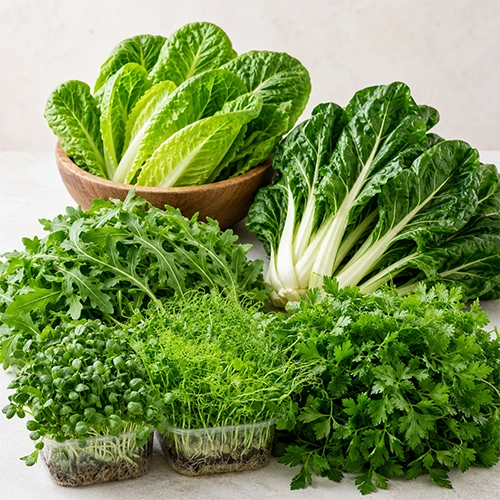
Leafy & Green Vegetables: Nourishment That Starts in the Soil

A nutritionist advises a patient to eat more greens and recognizes they're delivering one of the most powerful recommendations medicine offers. A parent packs a lunchbox with fresh spinach and knows they're providing nutrition that fuels their child's brain and body. A restaurant chef sources local lettuce and understands they're building relationships with growers who care about quality. A food processor receives a shipment of kale and calculates the nutritional density they're adding to products. These moments reveal something fundamental. Leafy and green vegetables represent far more than side dishes. They're the foundation of healthy eating and the cornerstone of sustainable food systems.

Leafy greens span remarkable diversity. Spinach delivers iron and nutrients in versatile form. Kale offers nutritional density that health-conscious consumers increasingly demand. Lettuce provides volume and freshness for countless applications. Arugula brings peppery complexity to sophisticated dishes. Swiss chard offers color and mineral richness. Watercress delivers unique flavor and nutritional intensity. Each serves distinct culinary applications and market positioning while contributing measurably to human health.

For producers and suppliers, growing quality greens demands expertise spanning soil health, water management, and pest control. Organic cultivation attracts health-conscious buyers willing to pay premiums. Freshness matters intensely because quality declines rapidly after harvest. Cold chain management becomes critical to preserve texture and nutritional content.

For retailers and food manufacturers, green vegetable selection reflects commitment to health and sustainability. Local sourcing builds community relationships and reduces environmental impact. Organic positioning attracts values-driven consumers. Educational marketing helps customers understand nutritional benefits and proper storage.

This category connects growers with buyers who understand that leafy greens represent nourishment, health, and the foundation of sustainable eating.

Discover quality suppliers. Compare growing practices. Source greens that nourish bodies and planet.

View Products
Root & Tuber Vegetables

Root & Tuber Vegetables

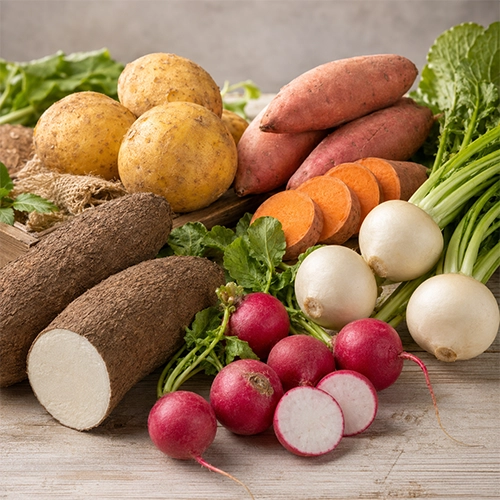
Root & Tuber Vegetables: Underground Nutrition That Sustains Civilizations

A farmer harvests potatoes from soil that's been producing for generations. The earth releases its treasure. Basketful after basketful emerge, holding calories and nutrients that have fed populations through centuries. A parent peels carrots for their child's dinner and recognizes they're providing beta-carotene and sweetness that transforms simple meals into nourishment. A food processor sources sweet potatoes and calculates the nutritional density and natural sugars they're adding to products. A restaurant chef discovers heritage potato varieties and transforms them into dishes that celebrate terroir and agricultural tradition. Root and tuber vegetables occupy quiet but profound territory. They're affordable. They're abundant. They're nutritionally dense. They're the foundation upon which global food security rests.

Root and tuber vegetables span remarkable diversity. Potatoes dominate globally through affordability and versatility, appearing in cuisines spanning continents. Carrots deliver sweetness and beta-carotene in convenient form. Beets offer earthy complexity and natural color. Turnips bring peppery depth to traditional dishes. Parsnips provide subtle sweetness. Sweet potatoes deliver nutritional density and natural sugars. Yams carry cultural significance across African and Caribbean cuisines. Radishes add peppery crunch. Rutabagas offer hearty substance. Each serves distinct culinary applications and market positioning.

For producers and suppliers, growing quality roots and tubers demands expertise spanning soil health, moisture management, and storage conditions. Organic cultivation attracts health-conscious buyers. Heritage varieties command premium pricing from specialty markets. Proper harvesting and storage determine whether products maintain quality through extended shelf life.

For retailers and manufacturers, vegetable selection reflects positioning and values. Local sourcing builds community relationships. Organic options appeal to health-conscious consumers. Educational marketing helps customers understand nutritional benefits and storage longevity that root vegetables provide.

This category connects growers with buyers who understand that root and tuber vegetables represent affordable nutrition, food security, and agricultural heritage.

Discover quality suppliers. Compare growing practices. Source vegetables that nourish sustainably.

Cruciferous & Brassica Vegetables

Cruciferous & Brassica Vegetables

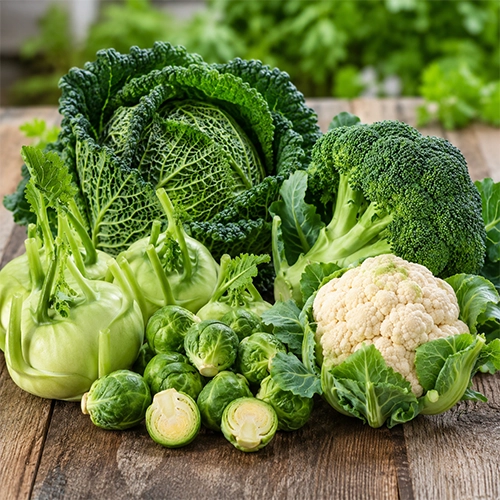
Cruciferous & Brassica Vegetables: Powerful Nutrition Hidden in Humble Forms

A parent serves broccoli to their child and braces for resistance. But then something unexpected happens. The child tastes it roasted with olive oil and salt, and discovers it's actually delicious. A nutritionist recommends cruciferous vegetables to a patient and knows they're prescribing something genuinely powerful. Research connects these vegetables to cancer prevention and disease reduction. A food processor sources Brussels sprouts and calculates the nutritional density and health claims they can make. A restaurant chef develops a cauliflower dish and recognizes that once-humble vegetables are now commanding attention as centerpieces rather than side dishes. Cruciferous and brassica vegetables represent a quiet revolution in how people think about food and health.

These vegetables carry compounds that mainstream nutrition once overlooked. Sulforaphane in broccoli offers powerful anti-inflammatory properties. Indoles in cabbage support detoxification. Glucosinolates across the family deliver protective benefits. Modern research validates what traditional cuisines always knew. These vegetables nourish profoundly. They're no longer afterthoughts. They're nutritional superstars attracting serious attention from health-conscious consumers.

The category spans remarkable diversity. Broccoli offers versatility and universal appeal. Cauliflower delivers neutral flavor suited to countless preparations. Cabbage provides affordability and storage longevity. Brussels sprouts bring nutty complexity when prepared properly. Kale offers nutritional density. Each serves distinct culinary applications and market positioning.

For producers and suppliers, growing quality cruciferous vegetables demands expertise spanning soil management and pest control. Organic cultivation attracts premium buyers. Freshness matters intensely because quality declines after harvest. Cold chain management preserves nutritional integrity.

For retailers and manufacturers, vegetable selection reflects health positioning. Organic options appeal to conscious consumers. Educational marketing helps customers understand nutritional benefits and proper preparation methods.

This category connects growers with buyers who understand that cruciferous vegetables represent powerful nutrition and the future of health-conscious eating.

Discover quality suppliers. Compare growing practices. Source vegetables that transform health.

Fruit Vegetables

Fruit Vegetables

Fruit Vegetables: The Culinary Workhorses of Global Kitchens

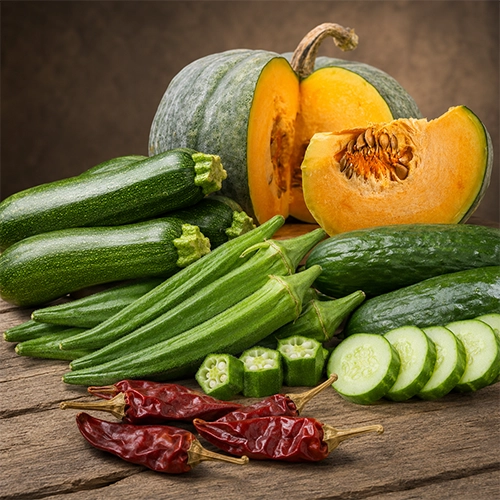
A chef plans their menu and recognizes that fruit vegetables form the backbone of nearly everything that will be served. Tomatoes for sauces. Peppers for depth. Eggplants for richness. Cucumbers for freshness. Zucchini for versatility. These aren't supporting players. They're the foundation upon which entire cuisines rest. A food processor sources tomatoes and calculates the volume required to produce consistent products year-round. A home cook discovers that quality peppers transform simple dishes into something remarkable. A restaurant builds its reputation on seasonal preparations celebrating what's currently at peak. Fruit vegetables occupy territory where botany meets culinary tradition, where nutrition meets flavor, where affordability meets versatility.

Fruit vegetables span remarkable diversity. Tomatoes dominate globally through versatility and ubiquity appearing in every major cuisine. Peppers deliver sweetness and heat in endless variations. Eggplants offer creamy richness when prepared properly. Cucumbers provide cooling freshness. Zucchini brings neutral canvas for countless preparations. Squash varieties offer seasonal celebration and storage longevity. Each serves distinct culinary purposes while contributing measurably to nutrition and satisfaction.

For producers and suppliers, growing quality fruit vegetables demands expertise spanning soil health, water management, and timing. Heirloom varieties attract premium buyers seeking authenticity and flavor complexity. Freshness matters intensely because quality declines rapidly after harvest. Processing and preservation enable year-round availability.

For retailers and manufacturers, vegetable selection reflects positioning and culinary values. Local sourcing builds community relationships and freshness. Organic options appeal to health-conscious consumers. Specialty varieties differentiate from competitors.

This category connects growers with buyers who understand that fruit vegetables represent culinary versatility, global connection, and the foundation of nourishing cooking.

Discover quality suppliers. Compare variety options. Source vegetables that inspire kitchens.

Bulb & Allium Vegetables

Bulb & Allium Vegetables

Bulb & Allium Vegetables: The Foundation Nobody Talks About

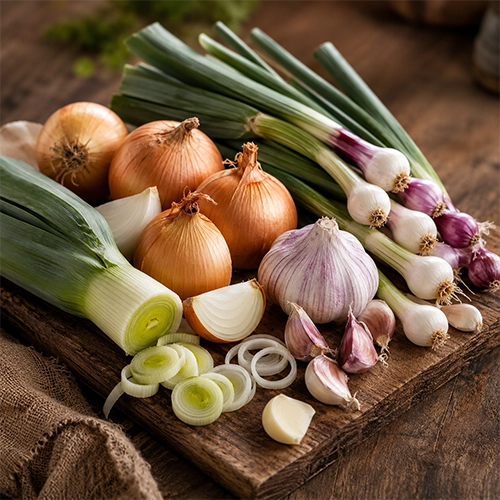
A cook begins their workday by dicing onions and recognizes that this single step determines everything that follows. The aroma that rises signals the foundation being built. The sweetness that develops through slow cooking transforms dishes entirely. A food processor sources garlic and calculates the flavor intensity being added to countless products. A restaurant chef discovers shallots and understands they've found something more refined than regular onions, more complex than garlic alone. A home cook realizes that the vegetables sitting quietly in their pantry represent the true foundation of cooking. Bulb and allium vegetables don't command attention the way peppers or tomatoes do. Yet without them, global cuisine would collapse entirely.

These humble vegetables deliver something profound. Onions provide sweetness, body, and aromatic foundation to every major cuisine. Garlic brings pungent intensity that transforms from bitter to sweet through cooking. Leeks offer gentle onion character with tender structure. Shallots deliver refinement and complexity. Scallions provide fresh bite and visual appeal. Each plays distinct roles across culinary traditions while remaining fundamentally affordable and accessible.

For producers and suppliers, growing quality alliums demands expertise spanning soil conditions and harvest timing. Storage longevity means these vegetables remain viable months after harvest. Organic cultivation attracts premium buyers. Processing and preservation enable year-round availability and diverse product forms.

For retailers and manufacturers, allium selection reflects cooking fundamentals. Quality sourcing ensures consistent flavor foundation. Specialty varieties differentiate from competitors. Local sourcing builds community relationships.

This category connects growers with buyers who understand that bulb and allium vegetables represent culinary foundation, global connection, and the quiet excellence that makes all cooking possible.

Discover quality suppliers. Compare variety options. Source vegetables that build culinary foundations.

Legumes & Pods

Legumes & Pods

Legumes & Pods: Ancient Nutrition Meets Modern Sustainability

A farmer recognizes that their soil is depleted. Years of intensive cultivation have drained nutrients and vitality. They plant legumes and watch something remarkable happen. The nitrogen-fixing bacteria in root nodules restore fertility naturally. The crop grows without synthetic fertilizers. The soil improves each season. Years later, yields on subsequent crops exceed what chemical inputs ever delivered. A food manufacturer develops a plant-based protein product and sources lentils as their foundation. A consumer discovers that beans cost a fraction of meat while delivering comparable protein and far superior nutrition. A restaurant builds its sustainability strategy around legume-forward cooking and recognizes customers respond enthusiastically to both the environmental commitment and the flavor excellence. These moments reveal why legumes matter so profoundly. They're not trendy. They're fundamental.

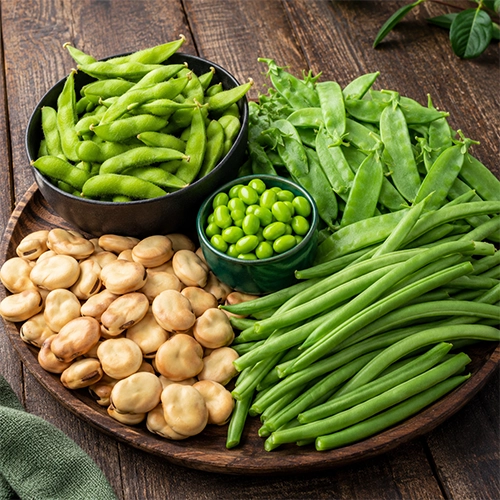
Legumes span remarkable diversity serving distinct culinary and nutritional purposes. Lentils deliver quick-cooking convenience with complete protein profiles. Chickpeas offer versatility from hummus to curries to roasted snacks. Black beans bring earthy richness to Latin American cooking. Pinto beans provide affordable nutrition and cooking familiarity. Kidney beans offer hearty substance. Split peas deliver comfort and traditional appeal. Each carries cultural significance and nutritional density that modern health consciousness increasingly values.

For producers and suppliers, legume sourcing requires expertise spanning crop rotation benefits and processing methods. Organic cultivation attracts premium buyers seeking clean sourcing. Processing into convenience forms enables market expansion. Sustainability positioning resonates with environmentally conscious customers.

For retailers and manufacturers, legume selection reflects positioning around health, sustainability, and affordability. Plant-based movement drives demand. Educational marketing helps consumers understand nutrition and preparation.

This category connects growers with buyers who understand that legumes represent affordable nutrition, agricultural sustainability, and the protein future.

Discover quality suppliers. Compare nutritional profiles. Source legumes that nourish sustainably.

Specialty & Exotic Vegetables

Specialty & Exotic Vegetables

Specialty & Exotic Vegetables: Culinary Adventure Starts With Ingredients

A chef discovers a farmers market vendor selling vegetables they've never encountered. Purple okra. Bitter melon. Dragon fruit. Thai eggplants. Each one represents a door opening to unfamiliar cuisines and flavor territories. They experiment, research traditional preparations, and suddenly their menu expands into territory that excites them. A food importer serves ethnic communities seeking authentic ingredients from their homelands. These specialty vegetables become the foundation of their business. A restaurant builds its identity around global cuisine and recognizes that sourcing specialty vegetables becomes strategic to their authenticity. A home cook discovers they're adventurous enough to explore ingredients beyond supermarket staples. Specialty and exotic vegetables represent opportunity for everyone willing to venture beyond familiar territory.

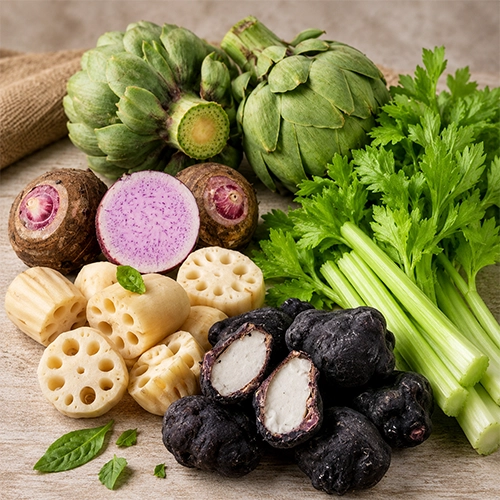
Specialty vegetables span extraordinary diversity. Okra delivers mucilaginous richness central to Southern and Middle Eastern cooking. Bitter melon brings distinctive pungency treasured in Asian cuisines. Taro root offers earthy complexity and culinary versatility. Kohlrabi provides delicate sweetness and tender texture. Purple cauliflower adds visual drama alongside nutritional benefits. Bok choy delivers tender greens and quick cooking. Yard-long beans offer unique texture and Asian authenticity. Each represents specific culinary traditions and adventurous consumer preferences.

For producers and suppliers, specialty vegetable sourcing requires understanding niche markets deeply. Ethnic communities provide reliable demand. Adventurous chefs and premium restaurants drive premium pricing. Freshness matters intensely because these vegetables often travel from distant origins. Educational support helps retailers and buyers understand preparation methods and authentic applications.

For retailers and restaurants, specialty selection reflects culinary ambition and cultural respect. Authentic sourcing builds reputation. Educational marketing helps customers discover new ingredients and traditions.

This category connects specialty growers with buyers who understand that culinary adventure begins with genuine ingredients and cultural authenticity.

Discover quality suppliers. Compare sourcing expertise. Source vegetables that inspire culinary exploration.

Mushrooms & Fungi

Mushrooms & Fungi

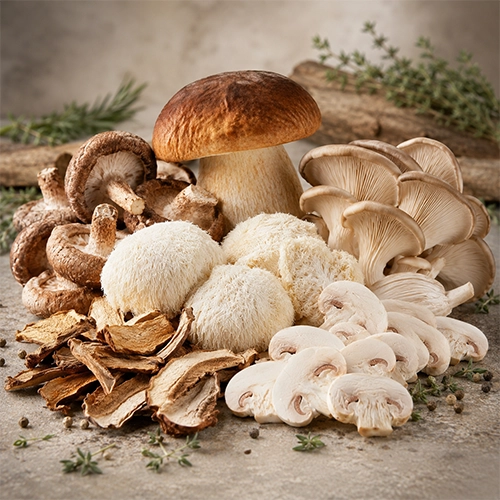
Mushrooms & Fungi: The Hidden Treasures of Umami

A forager walks through forest after rain and recognizes the moment when mushrooms emerge. They know the species, understand the timing, respect the ecosystem. A chef tastes a perfectly prepared mushroom dish and experiences something unexpected. The depth, the richness, the almost meaty satisfaction despite being entirely plant-based. A food manufacturer sources dried shiitake and calculates the umami intensity being added to products. A wellness enthusiast discovers medicinal mushrooms and recognizes they're accessing nutrition that traditional medicine has valued for thousands of years. A restaurant builds its reputation on mushroom preparations and understands that quality sourcing becomes the foundation of everything. Mushrooms and fungi represent something increasingly central to how people think about flavor, health, and sustainability.

Mushrooms have undergone remarkable transformation from foraged mystery to cultivated commodity to premium ingredient. Wild varieties command luxury pricing for their rarity and flavor complexity. Cultivated options enable consistent supply and affordable access. Functional mushrooms offer health applications that wellness-conscious consumers actively pursue. Each category serves distinct market positioning and consumer preferences.

The diversity spans extraordinary range. Button mushrooms provide affordable versatility across countless applications. Shiitake delivers umami complexity central to Asian cooking. Oyster mushrooms offer meaty texture and growing sustainability. Portobello provides substantial hearth and grilling appeal. Porcini brings legendary depth to risottos and sauces. Reishi, lion's mane, and medicinal varieties attract wellness markets. Each serves specific culinary and nutritional purposes.

For producers and suppliers, mushroom cultivation demands expertise spanning substrate preparation and environmental control. Organic certification attracts premium buyers. Processing into convenience forms expands market reach. Health claims require research support.

For retailers and manufacturers, selection reflects positioning around quality, health, and sustainability. Premium sourcing builds reputation. Educational marketing helps customers understand varieties and preparations.

This category connects cultivators with buyers who understand that mushrooms represent umami excellence, culinary sophistication, and the future of sustainable protein.

Discover quality suppliers. Compare variety options. Source mushrooms that transform cooking.

Frozen Vegetables

Frozen Vegetables

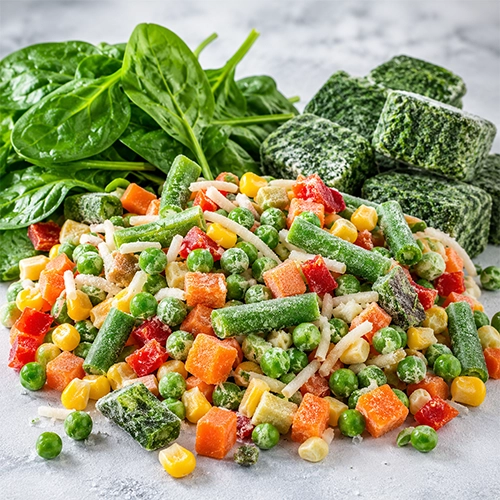
Frozen Vegetables: Quality Captured at Perfect Moments

A parent discovers that frozen broccoli contains more nutrients than fresh broccoli that sat in a grocery display for days. The realization transforms how they think about frozen food. A restaurant chef sources frozen vegetables and calculates labor savings and waste reduction that frozen products enable. A food manufacturer uses frozen vegetables and recognizes they provide consistency that fresh seasonal sourcing cannot match. A developing nation accesses nutrition through frozen vegetables imported affordably, serving populations that fresh alternatives cannot reach. These moments reveal something that modern consumers are increasingly understanding. Frozen vegetables represent strategy, not compromise. They represent quality captured at peak ripeness and preserved flawlessly through modern technology.

Freezing vegetables at harvest peak preserves nutritional content better than many fresh alternatives traveling thousands of kilometers and sitting in storage for days. Flash-freezing technology locks nutrients, flavor, and texture into crystalline perfection. No oxidation. No decomposition. No quality loss. The vegetables that appear on plates weeks or months later taste as fresh as the moment they were harvested. This fundamental reality means frozen vegetables have undergone complete reputation transformation among knowledgeable buyers.

For producers and processors, freezing enables capturing products at origin, eliminating complex logistics while preserving quality maximally. Waste decreases dramatically. Supply becomes reliable across seasons. Operations scale without dependency on weather fluctuations.

For restaurants and manufacturers, frozen vegetables reduce operational challenges while maintaining quality expectations. Supply consistency eliminates sourcing uncertainty. Per-unit costs often decrease while quality remains excellent. Labor savings from pre-cut and pre-portioned products improve efficiency.

For retailers and consumers, frozen selection expands culinary possibilities. Seasonal limitations disappear. Convenience increases without sacrificing nutrition or flavor.

This category connects vegetable processors with buyers who understand that freezing excellence preserves quality and enables global food systems to function sustainably and responsibly.

Discover quality suppliers. Compare freezing methods. Source vegetables that capture peak excellence.

Dehydrated & Dried Vegetables

Dehydrated & Dried Vegetables

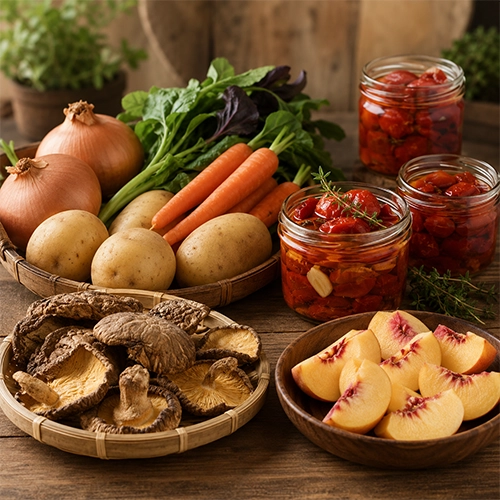
Dehydrated & Dried Vegetables: Concentrated Nutrition Meets Shelf Stability

A cook opens a jar of dried tomatoes and breathes in an aroma so intense it seems impossible these vegetables ever arrived fresh. They rehydrate the tomatoes and watch them plump back to life, their flavor concentrated and deepened through the drying process. A food manufacturer sources dried vegetables and calculates that the extended shelf life eliminates waste while enabling consistent supply independent of seasonal fluctuations. A backpacker fills their pack with dehydrated vegetables and recognizes they're carrying nutrition that weighs almost nothing. A traditional soup maker reaches for dried mushrooms and understands they're accessing umami intensity that fresh versions cannot deliver. Dehydrated and dried vegetables represent something increasingly valuable in modern food systems. They're preservation, nutrition, and concentrated flavor all transformed through simple processes.

Drying vegetables transforms them entirely. Moisture removal concentrates flavor compounds exponentially. Nutritional density increases dramatically because water weight disappears while nutrients remain. Shelf stability extends indefinitely when stored properly. Color intensifies. Texture changes fundamentally. These are not compromised vegetables. These are vegetables transformed into different expressions of themselves.

The diversity spans remarkable range. Tomatoes develop concentrated sweetness and umami. Mushrooms transform into flavor bombs. Peppers intensify in heat and complexity. Onions become sweet candy-like morsels. Carrots turn to concentrated sweetness. Peas deliver nutty richness. Green beans bring textural crunch. Each transformation serves distinct culinary applications.

For producers and suppliers, dehydration requires expertise spanning temperature control and timing. Proper drying preserves nutritional integrity while concentrating desirable compounds. Storage conditions protect against moisture reabsorption and pest infiltration. Processing into convenience forms enables market expansion.

For manufacturers and retailers, dried vegetable selection reflects positioning around shelf stability, convenience, and flavor intensity. Premium sourcing builds reputation. Educational marketing helps customers understand rehydration methods and authentic applications.

This category connects vegetable processors with buyers who understand that dried vegetables represent preservation wisdom, concentrated nutrition, and culinary excellence.

Discover quality suppliers. Compare drying methods. Source vegetables that concentrate flavor and nourishment.

Canned & Preserved Vegetables

Canned & Preserved Vegetables

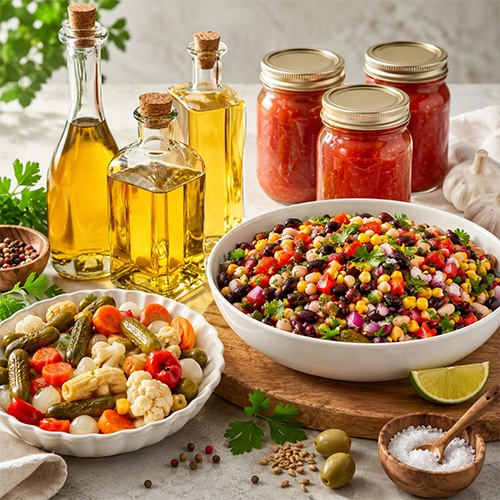
Canned & Preserved Vegetables: Accessibility That Nourishes Billions

A parent opens a can of beans and creates a complete meal in minutes. No fresh ingredient shopping required. No perishability concerns. No preparation complexity. Just nutrition ready to transform into something nourishing. A food manufacturer sources canned tomatoes and recognizes they're accessing consistent supply independent of seasonal fluctuations and climate variations. A developing nation relies on preserved vegetables as affordable nutrition that reaches populations refrigeration cannot serve. A home cook discovers that canned vegetables taste exceptional when sourced properly, delivering flavor and nutrition without requiring fresh produce availability. Canned and preserved vegetables represent something profoundly important. They're accessibility. They're stability. They're nutrition that survives without electricity or cold chains.

Canned vegetables span remarkable diversity. Tomatoes dominate globally through affordability and versatility appearing in countless cuisines. Beans provide protein and fiber at accessible prices. Corn offers sweetness and convenience. Peas deliver nutrition in dependable form. Vegetables preserved in brine or oil bring distinct flavors suited to countless applications. Each represents different market positioning and culinary application.

For producers and canners, preservation demands expertise spanning harvest timing, temperature control, and quality grading. Fresh vegetables should be processed immediately to capture optimal quality. Cooking and packing methods determine whether final products maintain structural integrity and flavor. Sustainability considerations increasingly influence sourcing and packaging choices.

For retailers and manufacturers, canned vegetable selection reflects accessibility positioning. Quality sourcing builds customer trust. Organic and sustainability certifications appeal to values-driven consumers. Educational marketing helps customers understand that preserved vegetables deliver genuine nutrition and flavor.

This category connects vegetable processors with buyers who understand that canned and preserved vegetables serve global nutrition through reliable, affordable, shelf-stable products that nourish billions.

Discover quality suppliers. Compare preservation methods. Source vegetables that nourish accessibly.

Pre-Cut & Ready-to-Cook Vegetables

Pre-Cut & Ready-to-Cook Vegetables

Pre-Cut & Ready-to-Cook Vegetables: Convenience That Empowers Busy Lives

A parent arrives home exhausted from work and faces a choice. Order takeout or cook. Without pre-cut vegetables in their refrigerator, takeout wins. With them, dinner happens. A restaurant chef calculates labor hours spent chopping vegetables and recognizes that pre-cut options dramatically reduce preparation time while enabling consistent quality across batches. A food manufacturer sources pre-portioned vegetables and eliminates waste that manual cutting generates. A busy professional discovers they're actually cooking more meals at home because the barrier to entry has decreased. Pre-cut and ready-to-cook vegetables solve a fundamental problem in modern life. Time constraints shouldn't eliminate home cooking.

Pre-cut vegetables address real barriers without compromising quality when sourced properly. Professionally cut pieces deliver consistency that inconsistent home chopping cannot match. Proper packaging extends shelf life while protecting delicate cut surfaces. Quality sourcing ensures vegetables remain fresh and crisp despite being pre-processed. Speed from fridge to table transforms cooking from overwhelming to manageable.

The category spans diverse applications. Stir-fry kits combine multiple vegetables portioned perfectly. Salad mixes blend greens ready to eat. Vegetable medleys enable one-pan dinners. Portioned ingredients streamline specific recipes. Each serves different convenience levels and culinary applications.

For producers and suppliers, pre-cutting demands precision and food safety expertise. Sharp equipment minimizes oxidation and cell damage. Sanitation practices prevent contamination. Packaging maintains freshness without artificial preservatives. Quality control ensures consistency batch after batch.

For retailers and restaurants, pre-cut selection improves operational efficiency while enabling customer convenience. Labor costs decrease dramatically. Waste elimination improves margins. Educational marketing helps customers understand that convenience doesn't compromise nutrition or flavor.

This category connects vegetable processors with busy consumers and operations who understand that pre-cut vegetables remove barriers to home cooking while delivering quality and sustainability.

Discover quality suppliers. Compare portioning options. Source vegetables that enable home cooking.

Vegetable Powders & Concentrates

Vegetable Powders & Concentrates

Vegetable Powders & Concentrates: Nutrition Concentrated Into Possibility

A food manufacturer needs consistent vegetable nutrition for their products and discovers that powder sourcing delivers exactly what fresh supply chains cannot. Consistency batch after batch. Extended shelf life. Zero waste. Perfect portioning. A supplement maker develops a greens product and recognizes that vegetable powders enable condensing nutrition into convenient doses. A parent struggles to get their child to eat vegetables and discovers that powder stirred into smoothies delivers complete nutrition without resistance. A restaurant chef experiments with vegetable powders and recognizes they're accessing concentrated flavors that transform dishes while reducing weight and waste. These moments reveal something powerful. Vegetable powders and concentrates represent processing innovation that serves practical needs across multiple markets simultaneously.

Vegetable powders transform fresh produce into shelf-stable ingredients with concentrated nutrition. Dehydration removes water weight while preserving nutrients, vitamins, and minerals. Processing into fine powder enables seamless integration into countless applications. Shelf stability extends indefinitely when stored properly. Color intensity and flavor concentration increase dramatically. These are not degraded vegetables. These are vegetables transformed into ingredients serving purposes fresh alternatives cannot match.

The category spans remarkable diversity. Leafy greens powders offer nutrition density in convenient form. Beet powder delivers earthy sweetness and natural color. Carrot powder brings mild sweetness and beta-carotene concentration. Broccoli powder concentrates sulforaphane benefits. Tomato powder adds umami and nutritional value. Mushroom powders deliver functional benefits. Each serves distinct applications and market positioning.

For producers and suppliers, powder manufacturing demands expertise spanning drying technology and milling precision. Processing must preserve nutritional integrity while creating consistent texture. Quality control ensures batch-to-batch reliability. Packaging protects against moisture and light degradation.

For manufacturers and retailers, powder selection enables product innovation and convenient nutrition. Consistent supply eliminates seasonal constraints. Per-serving costs decrease dramatically. Educational marketing helps customers understand applications and benefits.

This category connects vegetable processors with innovators who understand that powders and concentrates unlock nutrition's full potential.

Discover quality suppliers. Compare concentration levels. Source powders that transform nutrition.

Vegetable By-Products & Extracts

Vegetable By-Products & Extracts

Vegetable By-Products & Extracts: Value From What Would Otherwise Be Waste

A food processor finishes extracting juice from vegetables and looks at the remaining pulp. For decades, this would have become waste destined for landfills. Today, that same processor recognizes opportunity. The fiber becomes animal feed or functional ingredient. The extracted nutrients concentrate into supplements. The plant compounds transform into natural colorants. Nothing is wasted. Everything becomes resource. A manufacturer develops a supplement line and sources vegetable extracts that deliver concentrated benefits. A food company needs natural color for their products and discovers that vegetable extracts deliver exactly what they need without synthetic additives. These moments reveal something powerful about modern food systems. Waste represents lost opportunity, and processing innovation transforms that reality entirely.

Vegetable by-products and extracts solve multiple problems simultaneously. They reduce waste dramatically, transforming processing residuals into valuable ingredients. They enable ingredient extraction and concentration that serve functional food and supplement markets. They provide natural alternatives to synthetic additives increasingly rejected by conscious consumers. They create circular food systems where nothing becomes waste.

The category spans remarkable diversity. Beet juice concentrate delivers natural sweetness and color. Carrot extract offers beta-carotene and nutritional density. Tomato seed extract concentrates lycopene benefits. Vegetable fiber becomes functional ingredient. Plant compounds become natural preservatives and colorants. Leafy green extracts offer nutrition concentration.

For processors and suppliers, by-product utilization requires processing expertise and market understanding. Extraction methods determine whether nutrients remain intact and stable. Quality consistency enables reliable ingredient supply. Sustainability positioning increasingly appeals to values-driven manufacturers.

For food and supplement manufacturers, extract selection reduces ingredient sourcing complexity while improving sustainability positioning. Functional benefits enable product claims. Natural origin appeals to increasingly conscious consumers.

This category connects innovative processors with manufacturers who understand that vegetable by-products represent circular systems and authentic sustainability.

Discover quality suppliers. Compare extraction methods. Source ingredients that eliminate waste.

Explore more categories

Start a request for quotes - Easy and 100% free.

  • Present your request to all verified suppliers in your industry
  • Top relevant suppliers will be notified by us