
Root & Tuber Vegetables
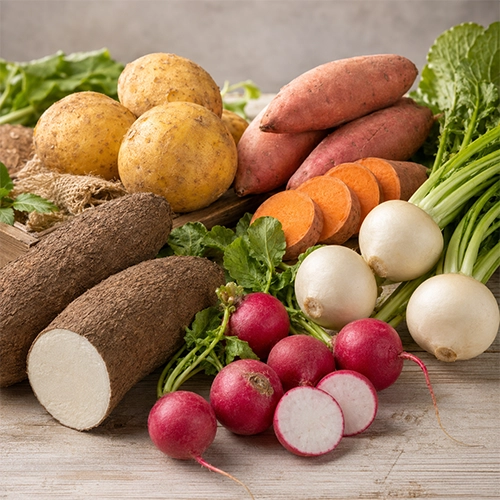
Root & Tuber Vegetables
Root & Tuber Vegetables: Underground Nutrition That Sustains Civilizations
A farmer harvests potatoes from soil that's been producing for generations. The earth releases its treasure. Basketful after basketful emerge, holding calories and nutrients that have fed populations through centuries. A parent peels carrots for their child's dinner and recognizes they're providing beta-carotene and sweetness that transforms simple meals into nourishment. A food processor sources sweet potatoes and calculates the nutritional density and natural sugars they're adding to products. A restaurant chef discovers heritage potato varieties and transforms them into dishes that celebrate terroir and agricultural tradition. Root and tuber vegetables occupy quiet but profound territory. They're affordable. They're abundant. They're nutritionally dense. They're the foundation upon which global food security rests.
Root and tuber vegetables span remarkable diversity. Potatoes dominate globally through affordability and versatility, appearing in cuisines spanning continents. Carrots deliver sweetness and beta-carotene in convenient form. Beets offer earthy complexity and natural color. Turnips bring peppery depth to traditional dishes. Parsnips provide subtle sweetness. Sweet potatoes deliver nutritional density and natural sugars. Yams carry cultural significance across African and Caribbean cuisines. Radishes add peppery crunch. Rutabagas offer hearty substance. Each serves distinct culinary applications and market positioning.
For producers and suppliers, growing quality roots and tubers demands expertise spanning soil health, moisture management, and storage conditions. Organic cultivation attracts health-conscious buyers. Heritage varieties command premium pricing from specialty markets. Proper harvesting and storage determine whether products maintain quality through extended shelf life.
For retailers and manufacturers, vegetable selection reflects positioning and values. Local sourcing builds community relationships. Organic options appeal to health-conscious consumers. Educational marketing helps customers understand nutritional benefits and storage longevity that root vegetables provide.
This category connects growers with buyers who understand that root and tuber vegetables represent affordable nutrition, food security, and agricultural heritage.
Discover quality suppliers. Compare growing practices. Source vegetables that nourish sustainably.