TEA & COFFEE

TEA & COFFEE
“Harvested by patience, brewed into moments of connection.”
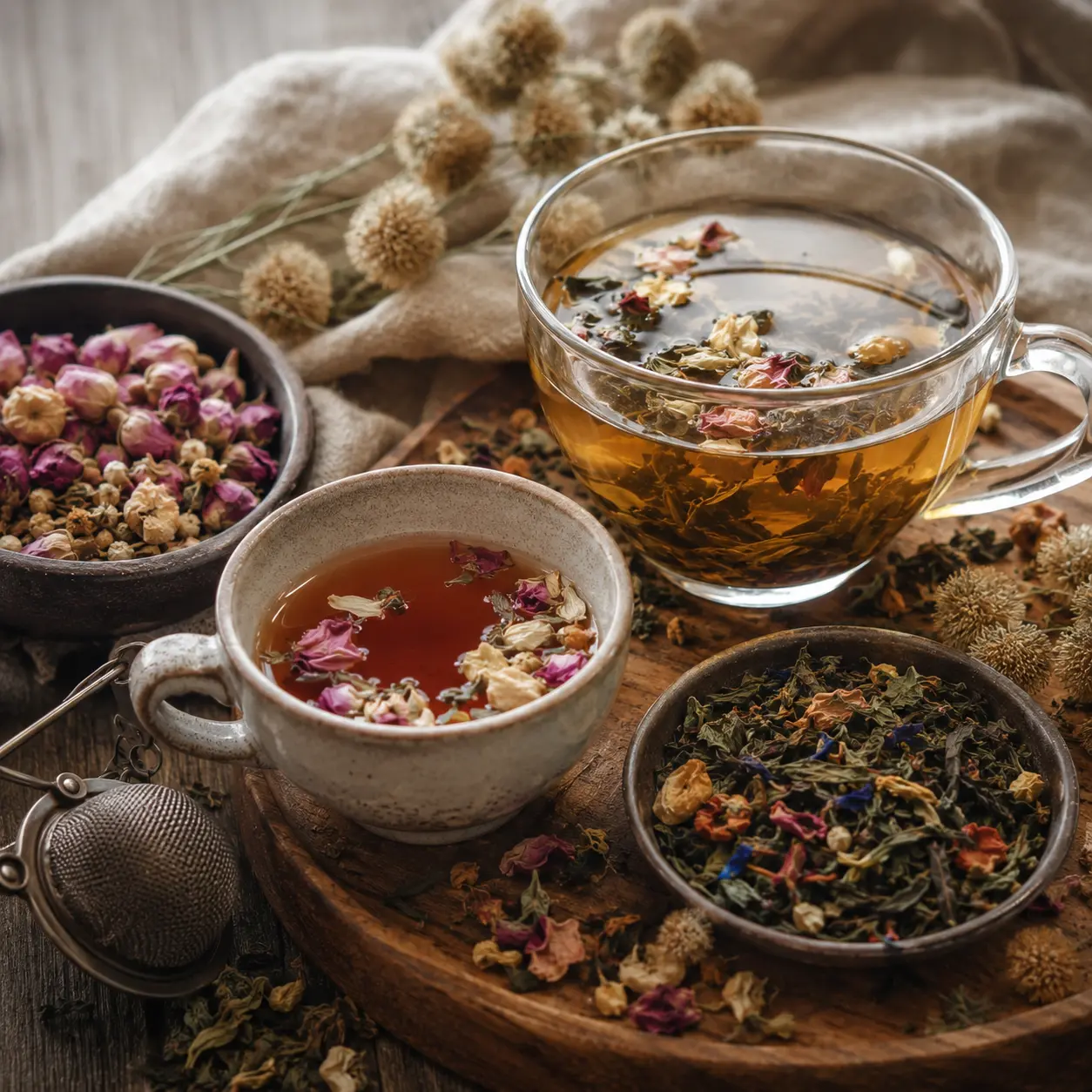
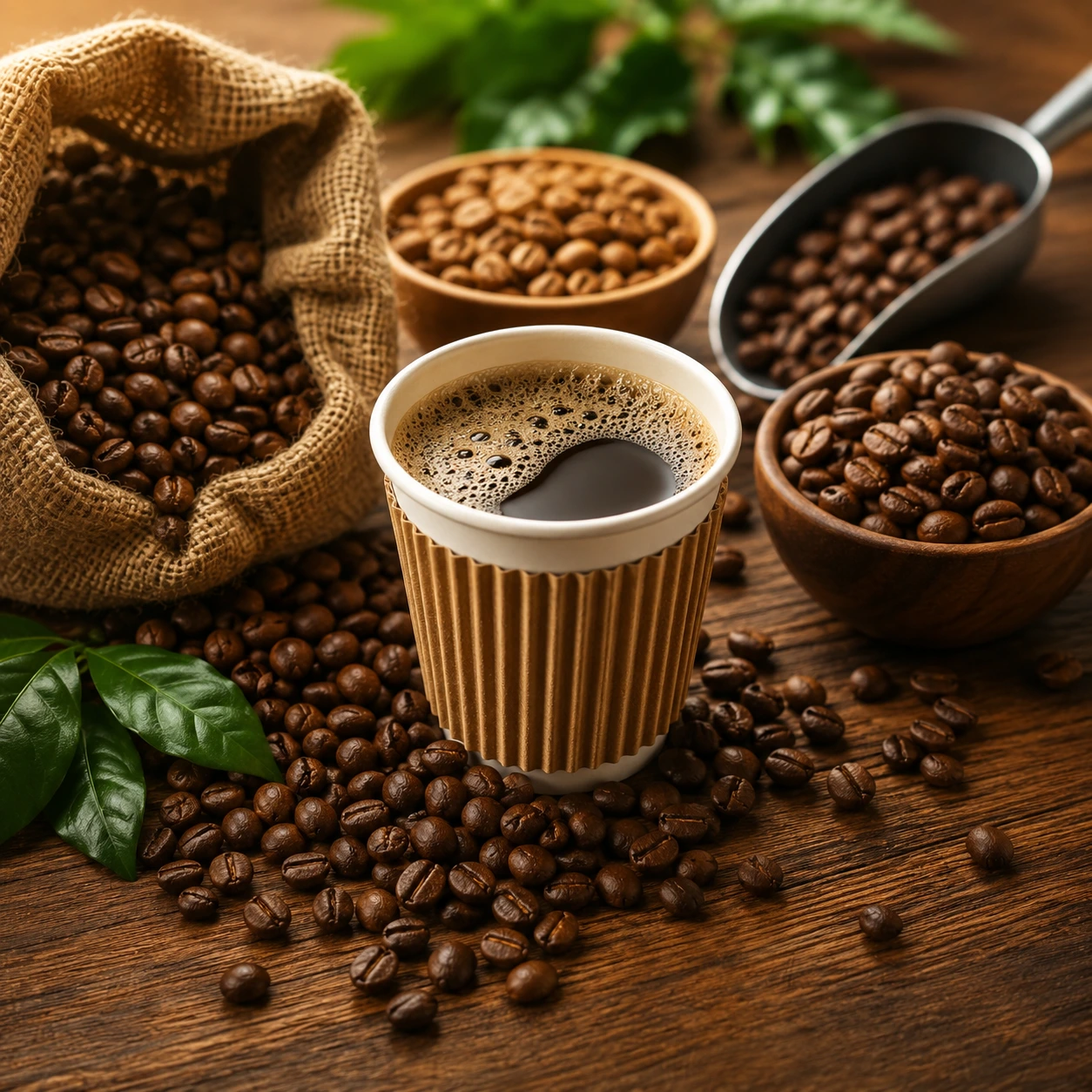
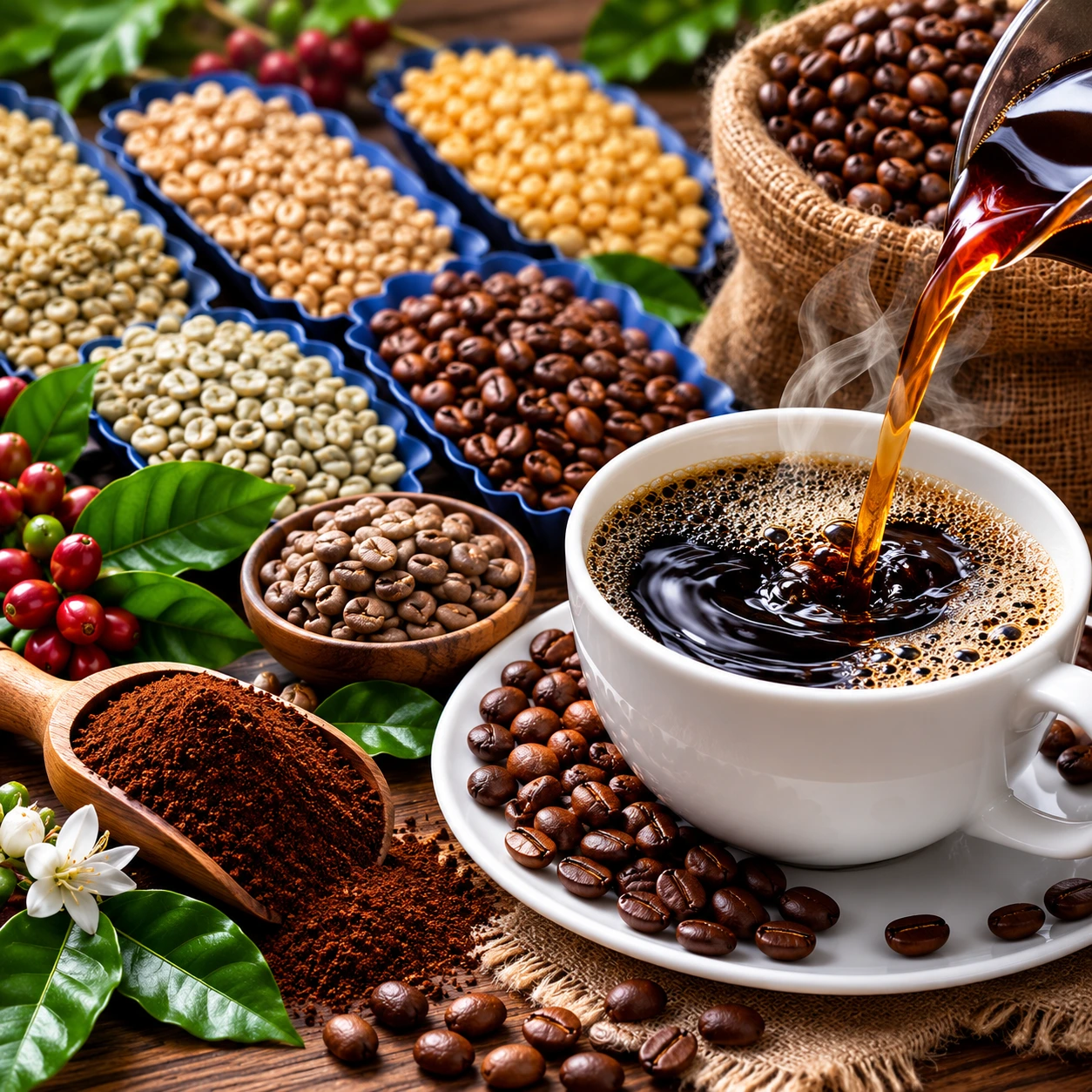
On misty hills, workers pluck tea leaves and coffee cherries at precise ripeness. Drying, roasting, and grading follow careful tradition that preserves aroma and character.
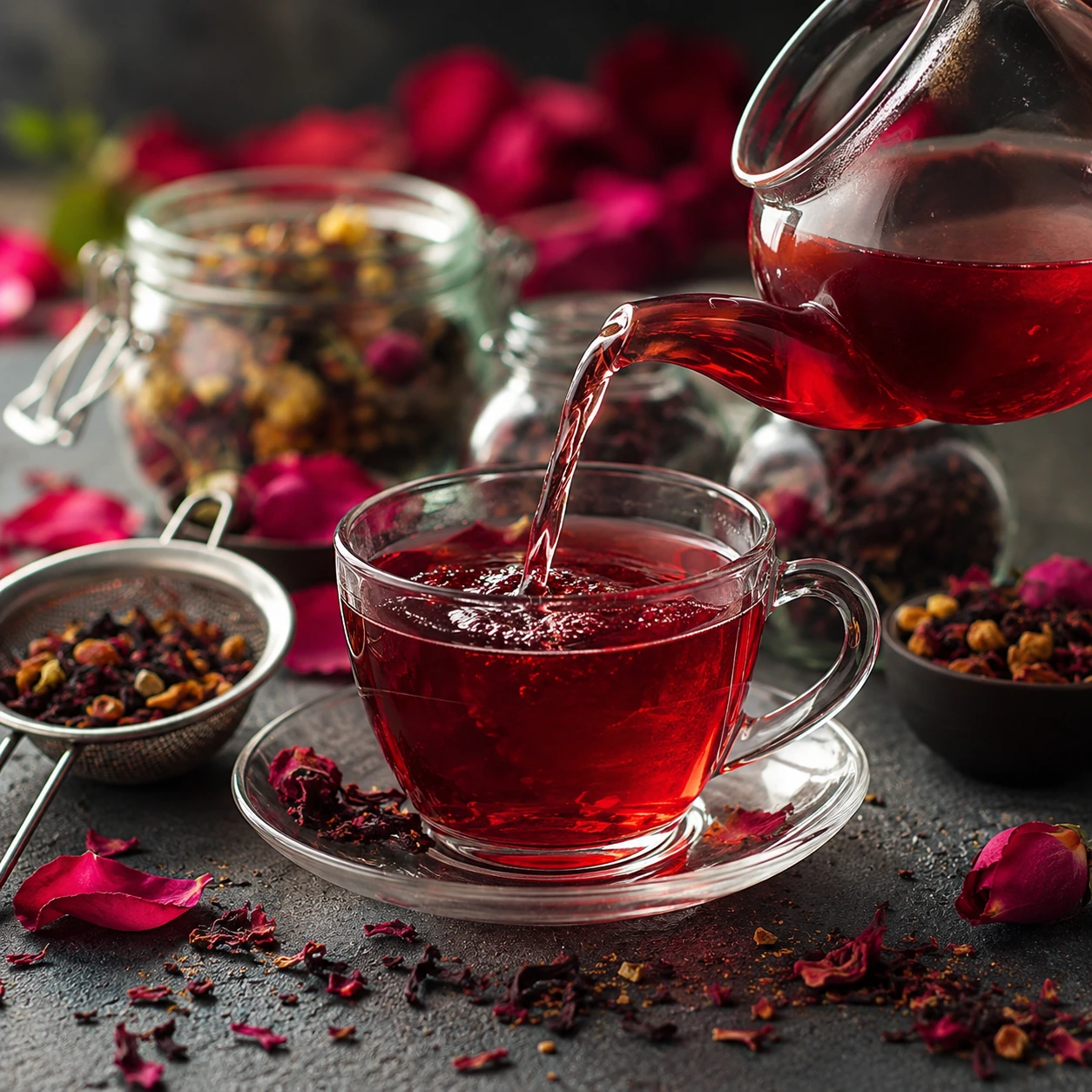
Antioxidants, warmth, and comfort travel in every cup, reflecting soil, climate, and skilled hands.
Though often under-recognized, growers continue from pride in their estates.
Global Source Expo carries these leaves and beans with their story intact.
From ancient tea trails to coffee houses, these drinks have always connected cultures.
Popular subcategories under TEA & COFFEE

Black Tea
Black Tea: The World's Most Beloved Beverage
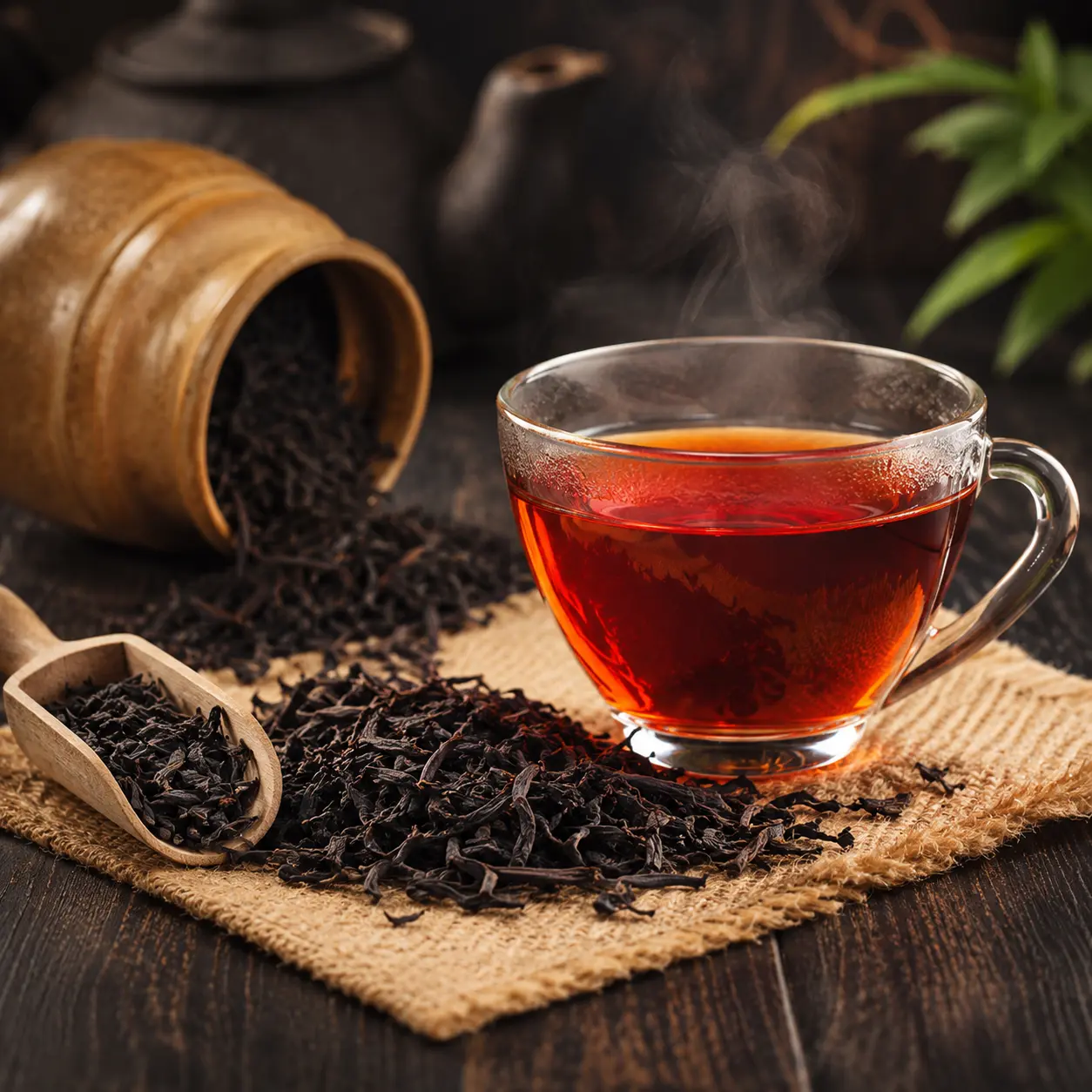
A morning ritual begins the same way across billions of homes. A kettle whistles. Water pours over leaves. Steam rises with an aroma that signals the day is beginning. That moment is where black tea lives. It's not the most exotic beverage. It's not the trendiest. But it's the most reliable. When someone craves something warm and familiar, when they need comfort in a cup, when they're gathering with someone important, black tea appears.
Black tea represents something larger than itself. It's a global story spanning continents and centuries. Plantations in Assam produce robust, malty teas that anchor breakfast cups worldwide. Ceylon tea from Sri Lanka delivers brightness and complexity. Kenyan tea offers consistency and value that supplies millions of daily drinkers. Chinese black teas explore subtlety that enthusiasts pursue seriously. This diversity means every buyer faces genuine choice. Which origin matches their target consumer? Which flavor profile becomes signature? Which quality standard becomes non-negotiable?
For tea processors, blenders, and distributors, black tea represents both opportunity and responsibility. Consumers trust their black tea implicitly. A single batch of off-flavor or inferior quality damages relationships built across years. Sourcing consistency from diverse origins requires expertise and partnership with growers who prioritize quality year after year.
For retailers and food service operators, black tea selection becomes strategic. Premium loose leaf attracts enthusiasts willing to pay for quality. Value tea serves price-conscious consumers seeking reliability. Specialty blends differentiate from competitors. Each choice reflects brand positioning and consumer understanding.
This category connects tea estates, processors, and specialty suppliers with buyers who understand that black tea endures because it consistently delivers comfort, quality, and genuine enjoyment.
Discover quality suppliers. Compare origin profiles. Source black tea that defines daily rituals.

Green Tea
Green Tea: The Subtle Power of Ancient Wisdom
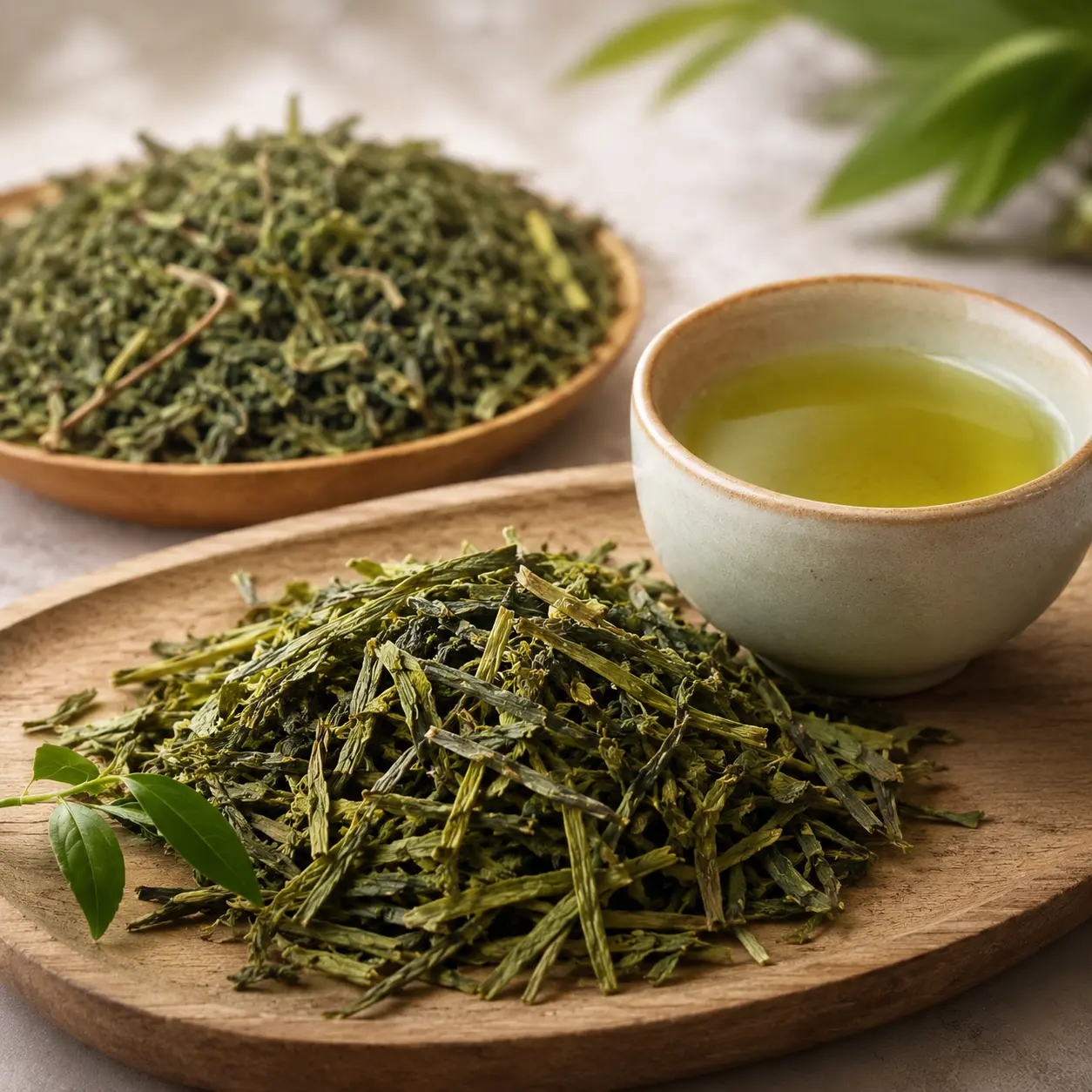
A person sits with a cup of green tea and notices something shift. Their mind feels clearer. Their energy becomes steadier. They're not jittery like they might be from coffee. They feel present. That moment is why green tea has endured for thousands of years and why it's capturing modern attention with unprecedented intensity. Green tea isn't just a beverage. It's a ritual that many are choosing to prioritize as they rethink what wellness means.
Green tea represents something different from black tea's bold comfort. It's about subtlety, sophistication, and genuine health consciousness. Japanese green teas deliver grassy freshness and umami complexity that enthusiasts study seriously. Chinese green teas explore delicate floral notes and refined taste profiles. Korean greens offer unique character reflecting their origin. Vietnamese green teas provide value without sacrificing quality. This diversity means buyers aren't simply choosing a product. They're choosing a philosophy about wellness and what they want to represent to their customers.
For tea growers and processors, green tea demands precision that exceeds most other teas. The moment leaves are harvested, the clock begins. Processing must happen quickly to prevent oxidation and preserve the qualities consumers specifically seek. Temperature control during drying determines flavor outcome. Storage conditions protect delicate characteristics. This complexity means sourcing green tea requires partnerships with growers and processors who understand that cutting corners destroys the entire value proposition.
For retailers and food service operators, green tea selection reflects target consumer values. Health-conscious consumers choose green tea deliberately. Premium loose leaf serves enthusiasts exploring flavor complexity. Convenient tea bags serve busy people prioritizing wellness. Specialty sourcing differentiates from competitors while demonstrating commitment to quality and ethics.
This category connects tea estates and specialty processors with buyers who understand that green tea success depends on respecting tradition, supporting growers, and delivering the authentic wellness benefits consumers increasingly seek.
Discover quality suppliers. Compare origin characteristics. Source green tea that honors ancient tradition.

Oolong Tea
Oolong Tea: The Art of Partial Oxidation and Infinite Complexity
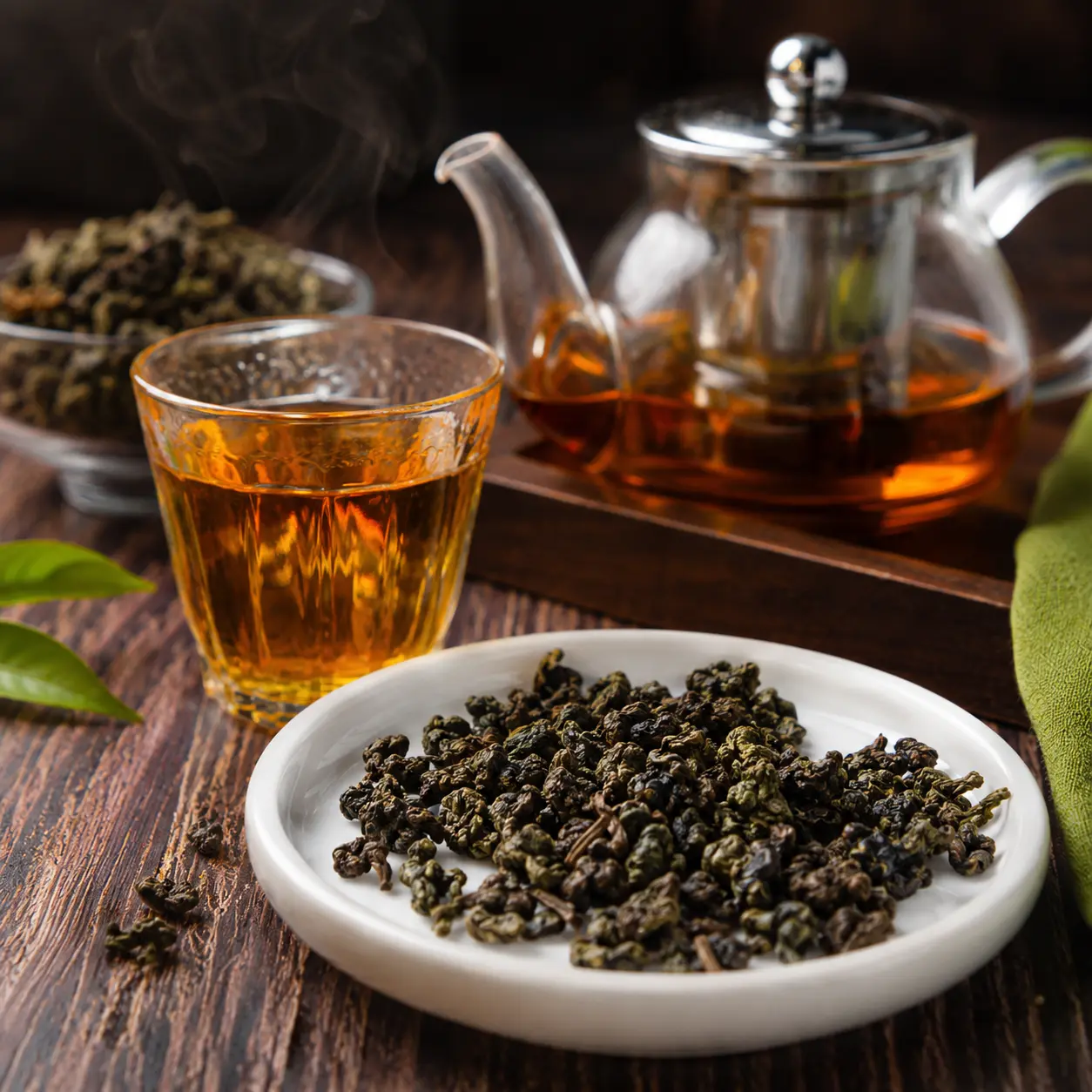
A tea enthusiast opens a container of oolong and immediately notices something different. The leaves look larger, more intact than typical tea. They steep the leaves and watch the unfurling happen in real time. Each infusion tastes slightly different from the previous one. Floral notes emerge in one steeping. Fruity complexity appears in another. Mineral undertones surface in a third. This isn't simply tea. It's a conversation between tradition, science, and nature that unfolds across multiple cups.
Oolong tea occupies territory that most beverages never reach. It's the bridge between green and black tea, sharing characteristics of both while remaining entirely unique. The partial oxidation creates complexity that neither fully oxidized nor unoxidized teas can match. A light oolong delivers floral sweetness approaching green tea's delicacy. A heavily oxidized oolong approaches black tea's boldness while maintaining distinctive character. This range means oolong appeals to consumers seeking genuine sophistication, willing to explore rather than simply consume.
For tea growers and processors, oolong demands mastery that takes years to develop. Oxidation timing determines whether a batch succeeds or fails. Rolling techniques affect flavor development. Roasting levels influence final character. Storage requires careful attention to humidity and temperature. This complexity means sourcing quality oolong requires partnerships with growers and processors who've dedicated careers to understanding their craft.
For retailers and specialty tea vendors, oolong selection represents a statement about their sophistication and commitment to quality. Oolong enthusiasts are passionate and discerning. They recognize quality instantly. They reward sourcing excellence with loyalty. They expect transparency about origin, processing methods, and harvest timing.
This category connects specialized tea estates and master processors with retailers and enthusiasts who understand that oolong represents tea's highest expression of artistry and complexity.
Discover quality suppliers. Compare oxidation levels. Source oolong that rewards genuine exploration.

White Tea
White Tea: Purity in a Cup, Simplicity That Rewards Patience
A person tastes white tea for the first time and experiences something unexpected. There's no bold flavor demanding attention. Instead, there's subtlety that reveals itself slowly. Delicate sweetness emerges. Gentle floral notes appear. A faint honey character surfaces. The tea doesn't shout. It whispers. And those willing to listen discover something genuinely beautiful. White tea represents the furthest point from processing intensity. The leaves are harvested young, dried gently, and left largely untouched. That minimal intervention is precisely what makes white tea special.
White tea occupies unique territory in the tea world. It contains the highest antioxidant content of any tea because minimal processing preserves beneficial compounds. It delivers the most delicate flavor profile, appealing to consumers seeking refinement over boldness. It costs more because each step requires careful attention and lower yields translate to higher per-cup cost. This combination means white tea attracts a specific consumer: someone willing to pay for quality, interested in health benefits, and patient enough to appreciate subtlety.
For tea growers and processors, white tea demands exceptional care from harvest through storage. Young leaves require careful handling to prevent damage. Drying must be gentle enough to preserve delicate characteristics. Timing throughout processing determines whether the final product delivers on white tea's promise of purity or disappoints with off-flavors or oxidation.
For retailers and specialty vendors, white tea selection reflects commitment to premium positioning. White tea customers are discerning and knowledgeable. They recognize quality immediately. They expect transparency about harvest season, processing methods, and storage conditions. They reward honest sourcing with loyalty.
This category connects specialized tea estates with retailers and enthusiasts who understand that white tea's value lies in its purity, its health benefits, and the quiet sophistication it brings to daily rituals.
Discover quality suppliers. Compare harvest seasons. Source white tea that honors gentle tradition.

Dark & Fermented Tea
Dark & Fermented Tea: Complexity That Deepens With Time
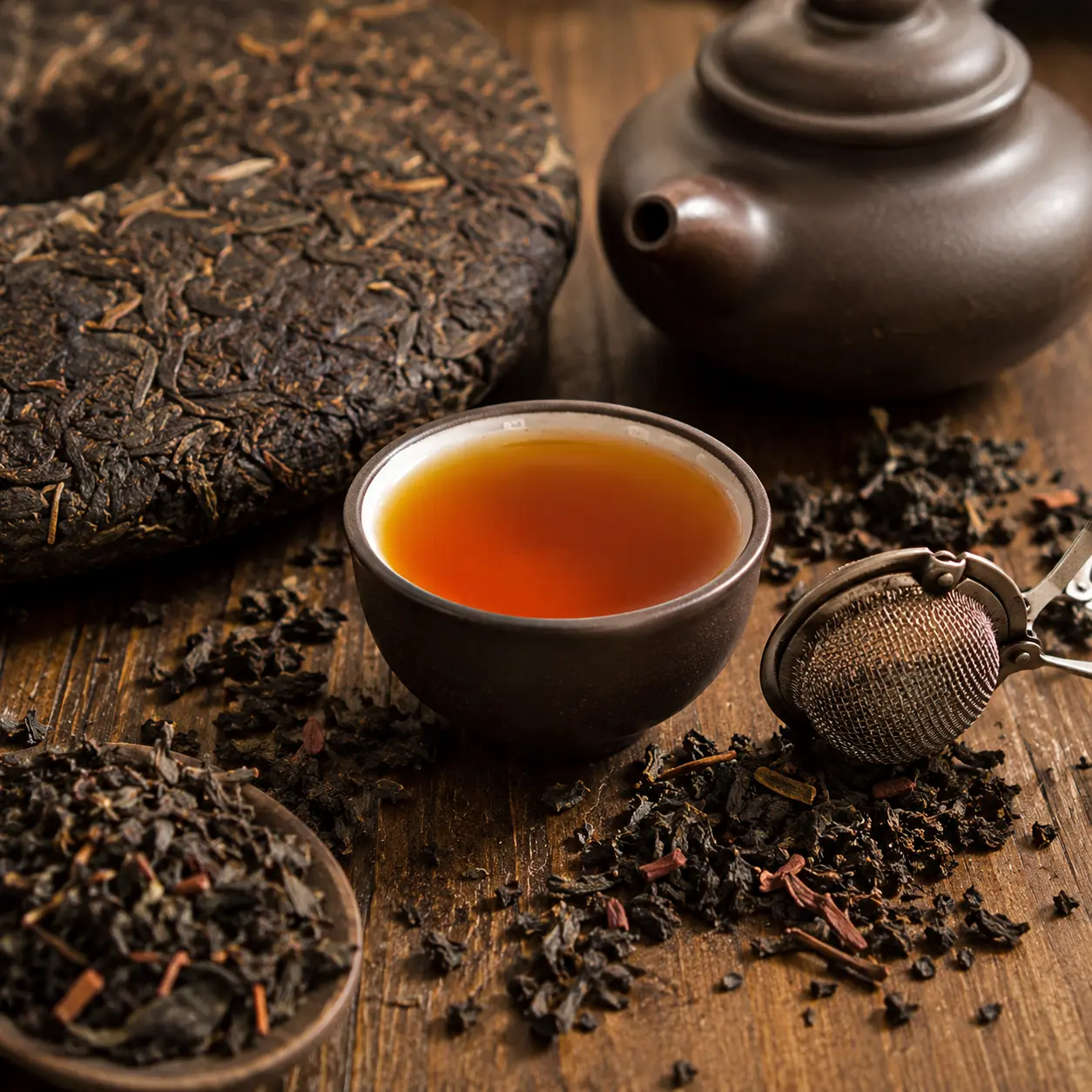
A collector opens a package of aged pu-erh tea and breathes in an aroma that speaks of years passing. The leaves were compressed decades ago. Since then, they've transformed through slow fermentation into something entirely different from their original state. The first steep releases deep earthiness and subtle sweetness. Subsequent steepings reveal layers that weren't visible initially. This tea tells a story of patience, transformation, and the understanding that some things improve profoundly with time.
Dark and fermented teas represent a category unlike any other. They're not consumed fresh like green teas or standard black teas. They're aged, sometimes for years or decades. That aging process transforms chemistry fundamentally. Fermentation bacteria and fungi work slowly, breaking down compounds and creating new flavor dimensions. Health claims about digestive benefits and cholesterol management have attracted serious attention from wellness-conscious consumers. Investment collectors purchase aged teas the way others collect wine, understanding that quality increases with proper storage.
For producers and processors, dark and fermented tea demands understanding of microbiology, aging conditions, and market timing. The fermentation process must be controlled carefully to prevent contamination while allowing beneficial transformation. Storage conditions affect how tea ages. Temperature, humidity, and air circulation determine whether a batch becomes increasingly valuable or stagnates. This complexity means sourcing requires partnerships with producers who've studied fermentation science seriously.
For retailers and specialty vendors, fermented tea selection attracts specific consumers. Health enthusiasts seek digestive benefits. Tea collectors pursue rare, aged specimens. Wellness-focused businesses integrate fermented teas into product offerings. These customers are willing to invest substantially in quality and expect education about origin, fermentation methods, and aging potential.
This category connects specialized producers and collectors with retailers and buyers who understand that fermented tea represents transformation, history, and the reward of patience.
Discover quality suppliers. Compare fermentation methods. Source fermented tea that improves endlessly.

Herbal Tea / Tisanes
Herbal Tea / Tisanes: Wellness in Every Steep
A parent reaches for chamomile when a child struggles to sleep. A person dealing with stress brews peppermint, hoping the familiar ritual brings calm. Someone with digestive discomfort chooses ginger. Someone else simply loves the taste of hibiscus and reaches for it without thinking about wellness at all. This is where herbal teas live. They're the intersection of tradition, wellness, flavor preference, and personal ritual. Unlike true teas that come from one plant, herbal teas and tisanes encompass everything else. Flowers, roots, bark, leaves from dozens of plant sources create infinite combinations that serve every imaginable purpose.
Herbal teas represent something powerful in modern wellness. Consumers are rethinking their relationship with health. They're exploring traditional remedies validated by modern research. They're choosing beverages that taste good while delivering wellness benefits. Chamomile supports sleep. Ginger aids digestion. Turmeric offers anti-inflammatory properties. Mint refreshes and soothes. This convergence of taste and function makes herbal teas genuinely compelling to consumers seeking intentional wellness.
For producers and blenders, herbal teas demand sourcing expertise across diverse plant materials. Each ingredient comes from different regions, grows in different conditions, and requires different harvesting and drying methods. Quality consistency requires partnering with growers who understand standards. Flavor combinations must balance appeal with integrity. Health claims must be supported by research.
For retailers and vendors, herbal tea selection reflects commitment to wellness positioning. Premium loose leaf attracts enthusiasts exploring flavor complexity and quality. Convenient tea bags serve busy consumers prioritizing convenience. Specialty blends targeting specific wellness outcomes appeal to health-conscious buyers. Organic and ethically sourced options resonate with values-driven consumers.
This category connects growers, blenders, and specialty suppliers with retailers and buyers who understand that herbal teas represent genuine wellness tools wrapped in ritual and flavor.
Discover quality suppliers. Compare wellness benefits. Source herbal teas that honor tradition and health.

Flavored & Specialty Tea
Flavored & Specialty Tea: Innovation Meets Tradition
A consumer who's never considered themselves a tea drinker discovers a cup of jasmine-infused green tea and suddenly everything changes. The floral aroma captivates them. The delicate sweetness appeals to their palate. They return for more. This is where flavored and specialty teas work their magic. They're the gateway for consumers who find traditional teas intimidating or unfamiliar. They're also the playground for enthusiasts seeking innovation and novelty alongside quality.
Flavored teas represent a delicate balance. The base tea must be genuinely good because inferior tea foundations become obvious when flavoring is added. The flavoring itself must be authentic, whether natural or carefully crafted, because consumers increasingly reject artificial additions. Earl Grey remains the classic, beloved by traditionalists for its bergamot brightness. But modern consumers explore endless possibilities. Rose petals with black tea. Vanilla with white tea. Fruit infusions with oolong. Creative blending transforms tea into something that feels fresh and exciting while respecting tea's fundamental integrity.
Specialty teas occupy adjacent territory. Limited harvest editions command premium prices from collectors. Single-estate offerings emphasize terroir and origin character. Unique blends combining multiple origins create signature profiles that differentiate brands. Rare teas sourced from remote regions appeal to adventurous consumers willing to invest substantially in discovery.
For producers and blenders, flavored and specialty teas demand creativity without compromising quality. Sourcing requires finding flavorings that complement rather than mask. Base tea selection becomes strategic. Specialty sourcing requires relationships with growers and collectors who understand rarity and exclusivity.
For retailers and brands, these categories enable differentiation and margin opportunity. Flavored teas attract new consumers and expand market reach. Specialty selections build reputation and loyalty among enthusiasts. Limited editions create urgency and collect excitement.
This category connects innovative producers with retailers and brands seeking to expand tea's appeal while respecting its traditions.
Discover creative suppliers. Compare flavor profiles. Source teas that inspire exploration.

Tea by Processing Form
Tea by Processing Form: Choosing Quality, Convenience, or Both
A consumer stands in front of tea options and faces a genuine choice. Do they buy loose leaf tea that requires a strainer but delivers superior quality and multiple infusions? Do they choose convenient tea bags for mornings when time matters? Do they explore powdered matcha for ceremonial preparation? Do they try single-serve pods for consistency and ease? Each form serves different needs, different moments, different values. Understanding which form matters most reveals what a consumer truly prioritizes.
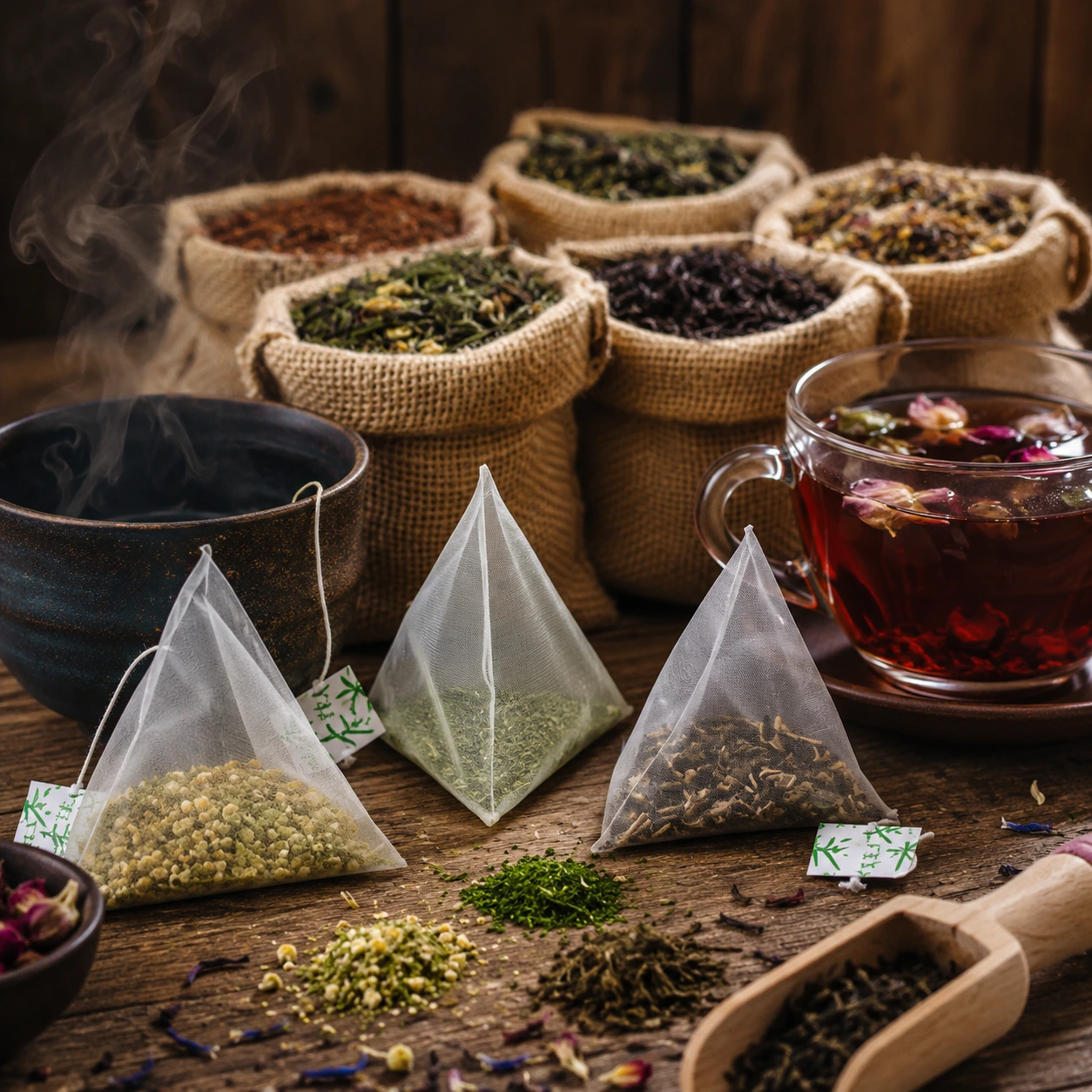
Loose leaf tea represents the traditional form and remains the gold standard for quality enthusiasts. Whole leaves deliver superior flavor compared to broken pieces. Multiple infusions from the same leaves offer value and depth. The ritual of steeping, the sensory experience of watching leaves unfurl, the care required to brew properly all contribute to a slower, more intentional tea experience. For consumers willing to invest time and attention, loose leaf delivers rewards that other forms cannot match.
Tea bags offer undeniable convenience. They're portable, foolproof, and require minimal equipment. Modern bags use unbleached paper or mesh that doesn't affect taste. However, the tea inside is typically broken pieces or fannings that steep quickly but don't deliver the complexity of whole leaves. Tea bags work beautifully for everyday drinking when convenience matters more than nuance.
Powdered tea, especially matcha, offers something entirely different. The entire leaf is consumed, delivering maximum nutritional benefit. Preparation becomes ceremonial and intentional. Matcha whisk culture has created communities around tea preparation. Powdered tea appeals to consumers seeking wellness benefits and willing to engage in ritual.
Compressed teas like pu-erh cakes and bricks serve collectors and aging enthusiasts. The compressed form slows oxidation and allows long-term storage. Breaking apart pieces for steeping becomes part of the experience.
Single-serve pods and capsules represent modern convenience. Consistency matters intensely because brewing variables are controlled. Sustainability concerns emerge because these formats generate waste that loose leaf avoids.
For producers and suppliers, form selection becomes strategic. Loose leaf appeals to premium positioning. Bags serve mass market efficiently. Powdered forms attract wellness markets. Compressed forms serve collectors. Pods appeal to convenience-focused consumers accepting sustainability trade-offs.
This category connects tea producers with retailers and consumers who understand that processing form fundamentally affects quality, experience, sustainability, and value.
Discover quality suppliers. Compare processing options. Source tea forms matching your consumer values.

Coffee by Species
Coffee by Species: Understanding the Distinction That Defines Your Cup
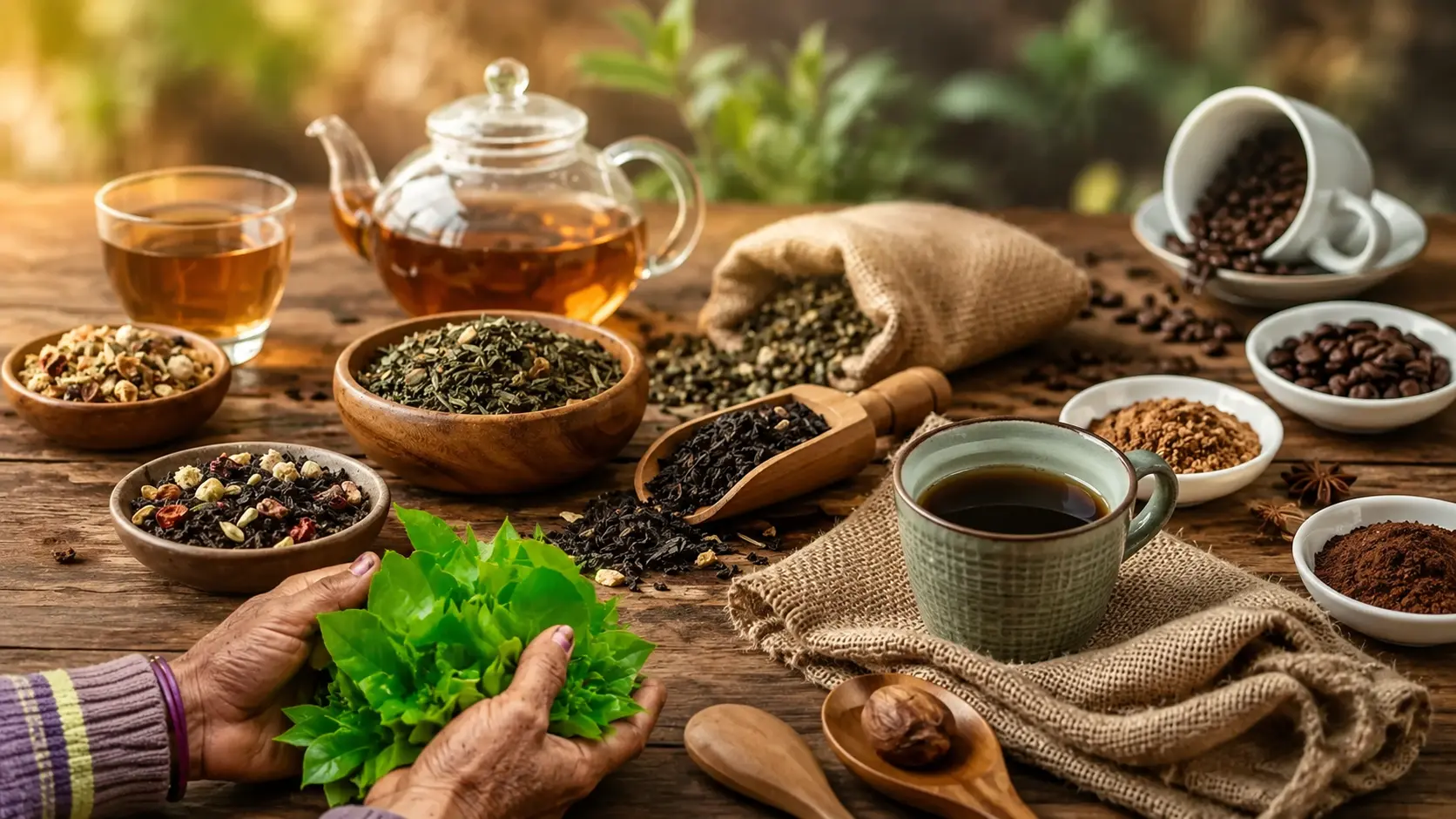
A coffee enthusiast reads a bag label and immediately looks for one thing: what species of coffee bean is inside. Arabica or Robusta. That single detail influences everything about the experience ahead. An Arabica coffee promises complexity, nuance, and the delicate flavors that coffee lovers pursue passionately. A Robusta coffee delivers boldness, intensity, and the caffeine kick that fuels morning routines. These aren't better or worse. They're different. Understanding which one matters for a particular consumer reveals what they actually value in their coffee.
Arabica represents approximately sixty percent of global coffee production and commands premium prices for good reason. The species grows at higher altitudes in specific climate zones. It produces beans with lower caffeine content and higher sugar levels, creating flavor profiles with remarkable complexity. Arabica can taste fruity, floral, chocolatey, or nutty depending on origin, processing, and roasting. For specialty coffee roasters, single-origin Arabica showcasing terroir represents the ultimate expression of coffee's potential. For consumers willing to invest in quality, Arabica delivers the sophistication they seek.
Robusta comprises the remaining forty percent but serves entirely different purposes. The species grows at lower altitudes and produces hardier plants that resist pests and disease. Robusta beans contain double the caffeine of Arabica and deliver bold, earthy, sometimes bitter characteristics. Espresso blends often include Robusta for crema and body. Value-conscious consumers appreciate Robusta's affordability. Instant coffee manufacturers rely on Robusta because it's cost-effective at scale.
For roasters and retailers, species selection becomes strategic. Premium positioning demands Arabica. Value positioning accepts Robusta. Blending requires understanding how species combine. Each choice reflects brand values and target consumer expectations.
This category connects coffee producers and exporters with retailers and manufacturers who understand that species choice fundamentally determines flavor potential, cost structure, and consumer satisfaction.
Discover quality suppliers. Compare origin profiles. Source coffee species matching your positioning.

Coffee by Origin & Grade
Coffee by Origin & Grade: Where Geography Meets Quality Standards
A coffee buyer receives two samples. Both are labeled Arabica. Both are recent harvests. But one comes from Ethiopian highlands while the other originates from Colombian mountains. The buyer brews them side by side and immediately recognizes the difference. The Ethiopian coffee tastes bright and floral with berry notes. The Colombian coffee delivers smoothness with chocolate undertones. Geography literally shapes what's in the cup. That reality is why coffee professionals obsess over origin, understanding that a single origin designation tells a story about altitude, climate, soil, and tradition.
Origin determines fundamental flavor potential. East African coffees tend toward fruity and floral characteristics. Central American coffees deliver balanced sweetness with chocolatey notes. South American coffees offer smoothness and body. Indonesian coffees bring earthy, sometimes smoky qualities. Pacific origin coffees explore unique terroir expressions. For specialty roasters building signature blends or single-origin offerings, origin selection becomes the foundation of every decision.
Grading systems add another crucial layer. Grading typically reflects bean size, defect levels, and altitude where coffee was grown. Higher grades contain fewer defects and larger beans, commanding premium prices because they deliver more consistent quality and superior flavor potential. Lower grades contain more defects and smaller beans but cost substantially less, serving value-conscious segments. Understanding a coffee's grade reveals what quality level a buyer is actually purchasing.
For importers and roasters, sourcing decisions combine origin knowledge with grade understanding. Premium single-origin coffees demand top grades to showcase terroir fully. Espresso blends accept lower grades because other beans will complement any minor flaws. Value offerings prioritize affordability, accepting grade compromises that lower-end consumers won't notice.
For retailers and cafes, origin and grade selection communicates brand positioning clearly. Premium positioning demands highlighting origin and selecting high grades. Accessible positioning balances origin quality with price reality. Educational approach means helping customers understand how origin and grade work together.
This category connects coffee producers, exporters, and graders with roasters and retailers who understand that origin and grade together determine flavor, consistency, and value.
Discover quality suppliers. Compare origin characteristics. Source coffee reflecting your brand's standards.

Roast & Processing Forms
Roast & Processing Forms: Transforming Beans Into Possibility
A coffee roaster receives green beans from the same origin and makes decisions that will dramatically reshape their final character. Do they apply a light roast that preserves origin flavors and highlights acidity? Do they develop a medium roast that balances origin character with roasted sweetness? Do they pursue a dark roast that emphasizes body and bold flavors? These aren't casual choices. They're strategic decisions that determine who will appreciate the final product and how much consumers will pay.
Roast level fundamentally changes what's in the cup. Light roasts showcase origin characteristics most clearly, appealing to enthusiasts who want to taste geography and processing choices. Medium roasts balance origin complexity with approachable sweetness, serving the largest market segment. Dark roasts emphasize body, boldness, and roasted chocolate notes, appealing to consumers who prefer intensity over nuance. Single-origin coffees typically wear lighter roasts to showcase terroir. Blends often lean toward medium or dark roasts where complementary bean characteristics merge beautifully.
Processing methods add equally profound complexity. Washed processing produces clean, bright coffees with clear flavor expression. Natural processing creates fruitier, sometimes wilder flavor profiles. Honey processing splits the difference, offering sweetness with complexity. Each method requires different post-harvest handling, affects final flavor dramatically, and carries different costs that ripple through pricing structures.
Coffee form matters equally. Whole bean appeals to enthusiasts controlling their grind timing. Ground coffee serves convenience-focused consumers. Instant coffee delivers speed and consistency. Single-serve pods offer portion control. Each form targets different consumption moments and consumer values.
For roasters and processors, these decisions define brand identity. Premium positioning demands intentional roast profiles and transparent sourcing. Value positioning balances quality with cost efficiency. Specialty positioning explores processing innovation and origin uniqueness.
This category connects roasters, processors, and suppliers with retailers and consumers who understand that roast level and processing form fundamentally determine flavor, experience, and satisfaction.
Discover quality roasters. Compare roast profiles. Source coffee reflecting your brand identity.

Blended Coffee
Blended Coffee: The Art of Creating Signature Identity
A roaster carefully measures beans from three different origins and combines them with precision. Ethiopian beans bring brightness. Brazilian beans contribute body and sweetness. Indonesian beans add depth and earthiness. Separately, each origin tells its own story. Together, they create something entirely new. That's the magic of blended coffee. It's where roaster artistry and business strategy converge, where technical knowledge meets creative vision, and where a roaster's signature emerges.
Blended coffee serves purposes that single-origin coffees cannot match. Blending allows roasters to create consistent flavor profiles regardless of seasonal variation in individual origins. When one origin's harvest fluctuates in character, adjusting blend ratios maintains signature consistency that loyal customers expect. Blending enables cost optimization by balancing premium origins with more affordable beans, delivering quality at prices consumers accept. Blending creates unique offerings that differentiate from competitors. A roaster's signature blend becomes part of their brand identity, something customers recognize instantly and return for repeatedly.
For specialty roasters, blending represents creative opportunity. Master blenders develop proprietary ratios refined across years of experimentation. Seasonal blends respond to consumer preferences changing throughout the year. Limited edition blends generate excitement and exploration. Each blend tells a story about where it comes from and what makes it distinctive.
For consumers, blended coffees offer approachability alongside complexity. A well-crafted blend delivers balance that single-origins sometimes lack. The familiar comfort of a signature blend creates loyalty that encourages repeat purchases. Blends often cost less than premium single-origins while delivering genuine quality.
For retailers and cafes, blended offerings enable price tiering and customer satisfaction. A signature house blend differentiates from competitors. Rotating seasonal blends keep menus fresh. Educational marketing helps customers understand what makes blends special rather than viewing them as inferior to single-origins.
This category connects specialty roasters and blenders with retailers and consumers who understand that skilled blending creates something greater than component parts.
Discover quality blenders. Compare signature profiles. Source blends that build customer loyalty.