
Dark & Fermented Tea
Dark & Fermented Tea
Dark & Fermented Tea: Complexity That Deepens With Time
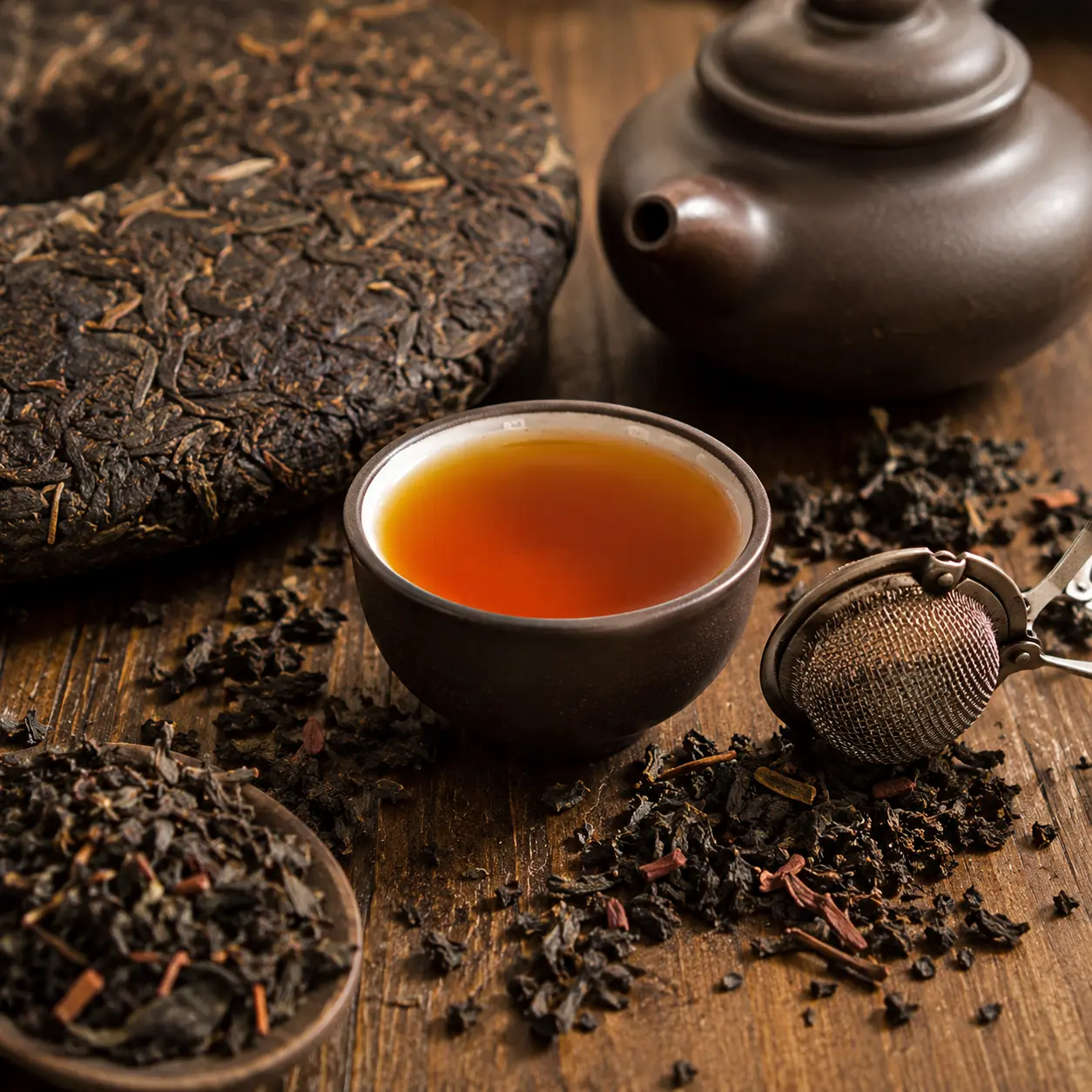
A collector opens a package of aged pu-erh tea and breathes in an aroma that speaks of years passing. The leaves were compressed decades ago. Since then, they've transformed through slow fermentation into something entirely different from their original state. The first steep releases deep earthiness and subtle sweetness. Subsequent steepings reveal layers that weren't visible initially. This tea tells a story of patience, transformation, and the understanding that some things improve profoundly with time.
Dark and fermented teas represent a category unlike any other. They're not consumed fresh like green teas or standard black teas. They're aged, sometimes for years or decades. That aging process transforms chemistry fundamentally. Fermentation bacteria and fungi work slowly, breaking down compounds and creating new flavor dimensions. Health claims about digestive benefits and cholesterol management have attracted serious attention from wellness-conscious consumers. Investment collectors purchase aged teas the way others collect wine, understanding that quality increases with proper storage.
For producers and processors, dark and fermented tea demands understanding of microbiology, aging conditions, and market timing. The fermentation process must be controlled carefully to prevent contamination while allowing beneficial transformation. Storage conditions affect how tea ages. Temperature, humidity, and air circulation determine whether a batch becomes increasingly valuable or stagnates. This complexity means sourcing requires partnerships with producers who've studied fermentation science seriously.
For retailers and specialty vendors, fermented tea selection attracts specific consumers. Health enthusiasts seek digestive benefits. Tea collectors pursue rare, aged specimens. Wellness-focused businesses integrate fermented teas into product offerings. These customers are willing to invest substantially in quality and expect education about origin, fermentation methods, and aging potential.
This category connects specialized producers and collectors with retailers and buyers who understand that fermented tea represents transformation, history, and the reward of patience.
Discover quality suppliers. Compare fermentation methods. Source fermented tea that improves endlessly.