SPICES & HERBS

SPICES & HERBS
“Where soil, sun, and patience become aroma, healing, and memory.”
Spices and herbs grow under careful eyes that measure time by seasons. Harvested at precise maturity, they are dried, cleaned, and ground with methods that protect essential oils and character.
Traceable to farm and season, these ingredients carry curcumin, antioxidants, phytonutrients, and vitamins supporting digestion and immunity while preserving biodiversity.
Though growers often receive little reward through trading layers, they continue from pride and emotional bond with land.
Global Source Expo shortens the path between field and buyer so aroma and value travel together.
For thousands of years, spices shaped trade routes and civilizations with their fragrance.
Popular subcategories under SPICES & HERBS

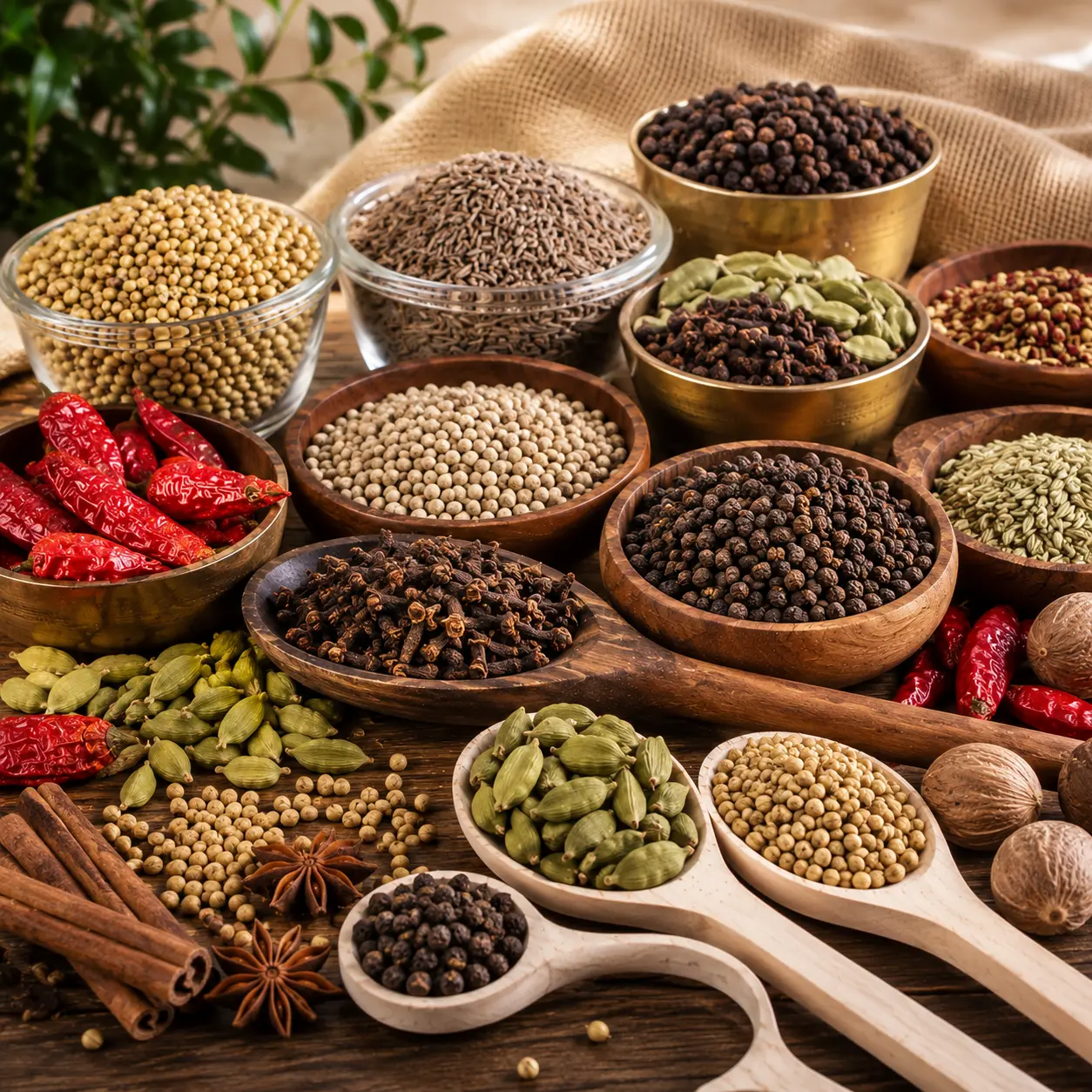
Whole Seed Spices
Whole Seed Spices: Flavor That Survives Storage
A chef reaches into a jar of cumin seeds and knows immediately whether they're fresh or stale. Fresh seeds carry aroma that rises distinctly. Stale seeds smell muted and flat. That difference translates directly into dishes. Fresh whole seeds ground just before cooking deliver brightness and intensity that pre-ground spices sitting in containers for months simply cannot match. This is why whole seed spices matter so profoundly to anyone serious about flavor.
Whole seeds preserve their essential oils far longer than ground spices. Once spices are ground, surface area increases exponentially and volatile compounds begin evaporating immediately. A jar of ground cumin loses significant flavor intensity within weeks. Whole cumin seeds remain viable and aromatic for months or even years if stored properly. This fundamental reality means serious cooks, professional chefs, and spice manufacturers all prioritize whole seeds over pre-ground alternatives.
For spice producers and importers, whole seed sourcing requires different expertise than ground spices. Harvesting timing affects seed maturity and oil content. Drying methods determine whether seeds retain their character or become damaged. Storage conditions protect against moisture and pest infiltration. Quality grading ensures seeds meet size and color standards. Each step influences whether final seeds deliver on their promise of authentic flavor.
For retailers and food manufacturers, whole seed selection reflects quality positioning. Premium positioning demands fresh whole seeds with visible aroma. Value positioning may accept lower grades or older stock. Specialty suppliers who understand terroir and harvest timing appeal to enthusiasts. Consistent sourcing from trusted origins builds customer reliability.
For chefs and home cooks, grinding seeds themselves becomes ritual. The act of crushing creates fresh spice that tastes noticeably superior. The aroma that rises during grinding signals freshness and promises the flavor that makes dishes sing.
This category connects spice growers and importers with retailers and culinary professionals who understand that whole seeds represent flavor authenticity and cooking excellence.
Discover quality suppliers. Compare freshness indicators. Source whole seeds that transform cooking.

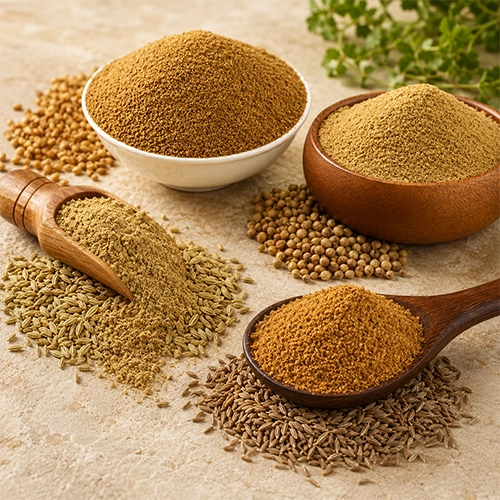
Ground Seed Spices
Ground Seed Spices: Convenience Meets Culinary Need
A busy home cook opens their spice cabinet and reaches for ground cumin because grinding seeds requires time they don't have that particular evening. A food manufacturer needs consistent spice powder delivered reliably because their production schedule doesn't accommodate grinding fresh seeds for every batch. A restaurant kitchen uses ground spices during high-volume service when fresh grinding becomes impractical. Ground seed spices occupy territory where convenience, consistency, and practical reality intersect. They're not inferior to whole seeds. They're different, serving purposes that whole seeds cannot fulfill.
Ground spices deliver immediate usability. There's no grinding required. No specialized equipment needed. No learning curve about proper technique. For consumers managing busy lives, ground spices represent the difference between adding flavor or skipping it entirely. For food manufacturers operating at scale, ground spices enable standardization that whole seeds cannot match. For restaurants managing volume during service, ground spices provide speed without sacrificing quality when sourced properly.
The challenge lies in freshness. Ground spices lose flavor intensity rapidly as essential oils evaporate. Quality ground spices address this by using advanced packaging that minimizes oxygen exposure and light penetration. Nitrogen flushing preserves volatile compounds. Opaque packaging protects against light degradation. Proper storage conditions maintain flavor longer than traditional methods allow.
For spice processors and manufacturers, grinding represents opportunity for value-added processing. Whole seeds purchased at commodity prices become premium ground products commanding higher margins. Quality control becomes critical because grinding equipment, storage conditions, and packaging all influence final product quality.
For retailers and food manufacturers, ground spice sourcing requires understanding freshness indicators. Vibrant color signals recent processing. Strong aroma indicates volatile oils remain intact. Sourcing from suppliers with fast turnover ensures customers receive fresher products.
This category connects spice grinders and processors with retailers and manufacturers who understand that ground spices serve real needs when quality and freshness are prioritized.
Discover quality suppliers. Compare packaging methods. Source ground spices that deliver fresh flavor.

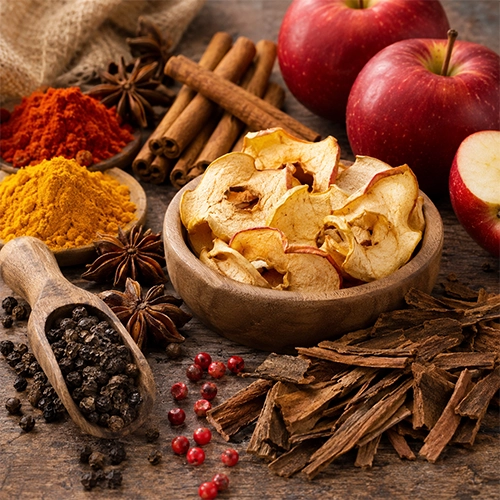
Bark Spices
Bark Spices: Ancient Medicine Wrapped in Culinary Tradition
A baker adds cinnamon stick to a recipe and immediately the kitchen fills with warmth. The aroma signals comfort, tradition, and something deeply familiar. Cinnamon bark has done this for centuries. It's been treasured so highly that it once sparked trade wars and exploration across continents. Today it remains one of the world's most beloved spices, gracing everything from holiday beverages to savory dishes to traditional medicine preparations. Bark spices occupy a unique category where culinary excellence meets wellness applications and cultural tradition.
Cinnamon dominates the bark spice category but doesn't stand alone. Cassia bark offers bold, slightly bitter character that some prefer over cinnamon's sweetness. Birch bark appears in traditional Nordic preparations. Various tree barks feature prominently in traditional medicine systems across Asia. Each bark carries distinct flavor profile and traditional uses that different cultures have perfected across generations.
For producers and suppliers, bark spices require harvesting expertise that respects tree health. Sustainable harvesting involves carefully stripping bark without killing the tree. Proper drying determines whether final product retains aromatic compounds or loses character to improper processing. Grading reflects bark thickness, color consistency, and quality standards that buyers expect.
Ground cinnamon dominates consumer use, but whole bark sticks remain preferred by serious cooks and traditional practitioners. Whole sticks steep into beverages, simmer in broths, and infuse oils with lasting intensity. The ritual of using whole spices appeals to consumers seeking authenticity and control.
For retailers and food manufacturers, bark spice selection reflects quality positioning. Premium whole sticks serve enthusiasts and professional kitchens. Ground bark serves convenience-focused consumers. Organic and fairly sourced options appeal to values-driven buyers increasingly concerned about sustainable harvesting practices.
This category connects bark producers and importers with retailers and manufacturers who understand that bark spices deliver flavor, tradition, and wellness benefits simultaneously.
Discover quality suppliers. Compare sourcing practices. Source bark spices that honor tradition.

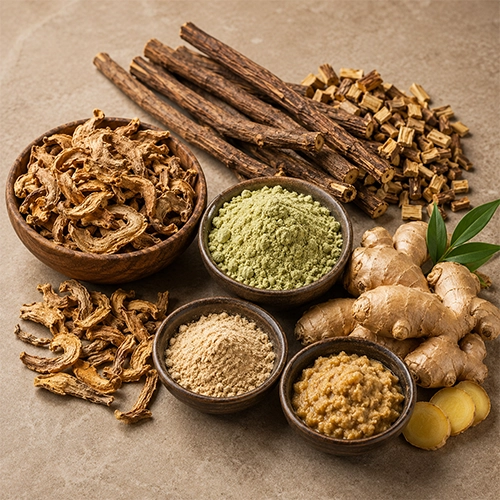
Root & Rhizome Spices
Root & Rhizome Spices: Underground Treasures With Surface Impact
A person feels a cold coming on and immediately reaches for ginger. They steep fresh ginger root in hot water, breathing in the sharp, warming aroma, trusting something ancient and true. A cook needs turmeric for a curry and selects fresh turmeric root because they understand that freshly grated delivers brightness that powdered versions cannot match. Root and rhizome spices occupy special territory where culinary excellence and wellness tradition converge. These underground plant parts carry concentrated flavor and traditional health applications that cultures worldwide have relied on for thousands of years.
Ginger dominates the category with universal appeal. It appears in Asian cooking, Western baking, traditional medicine, beverages, and confectionery. Fresh ginger delivers sharp, bright heat. Dried ginger becomes sweeter and more concentrated. Powdered ginger serves convenience. Each form serves different purposes while maintaining ginger's essential character. Turmeric follows similarly, with fresh root offering subtle earthiness and golden color, while dried and powdered versions intensify flavor and increase concentration.
Root and rhizome spices offer advantages that seed or bark spices cannot match. The underground location protects developing plant matter from environmental damage. The plant concentrates nutrients and flavor compounds in these storage organs. Fresh roots can be stored for extended periods if kept properly cool and dry. This natural durability means these spices remain viable longer than delicate seeds or fragile flower spices.
For producers and suppliers, root and rhizome sourcing requires agricultural expertise. Harvesting timing determines whether roots achieve full maturity and flavor development. Soil conditions affect nutrient concentration and final product quality. Washing, drying, and storage methods influence whether fresh root characteristics remain intact or degrade through improper handling.
For retailers and food manufacturers, root and rhizome selection reflects dual market positioning. Culinary positioning emphasizes flavor and freshness. Wellness positioning highlights traditional health applications and nutritional content. Fresh root appeals to enthusiasts and professional kitchens. Ground versions serve convenience-focused consumers. Organic sourcing attracts values-driven buyers concerned about agricultural practices.
For consumers, fresh roots offer control and authenticity. Grating ginger yourself ensures maximum flavor and aroma. Cooking with fresh turmeric connects to traditional practices. The sensory experience of handling fresh root differs fundamentally from using powder.
This category connects growers and processors with retailers and consumers who understand that root and rhizome spices deliver flavor, tradition, and wellness benefits rooted in thousands of years of human knowledge.
Discover quality suppliers. Compare freshness options. Source roots that honor culinary and wellness traditions.

Flower & Bud Spices
Flower & Bud Spices: Delicate Complexity in Botanical Form
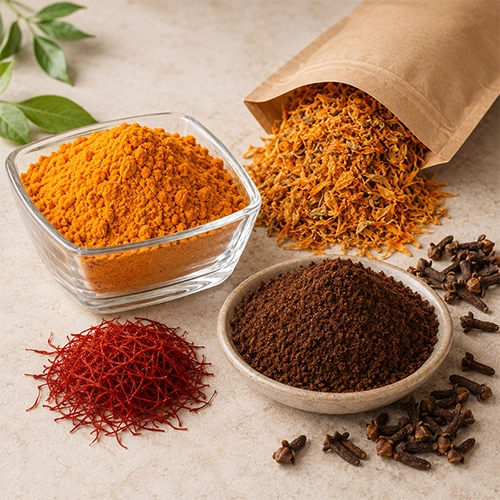
A cook reaches for a clove and places it precisely in a ham before roasting. One small dried bud transforms an entire dish. A baker grinds cardamom pods and immediately the kitchen fills with an aroma so distinct and intoxicating that it defines entire categories of baking. A person steeps saffron threads in warm water and watches them bleed deep golden color, understanding they're using something precious that once sparked exploration across continents. Flower and bud spices operate in territory where delicacy meets intensity, where a tiny amount carries disproportionate impact.
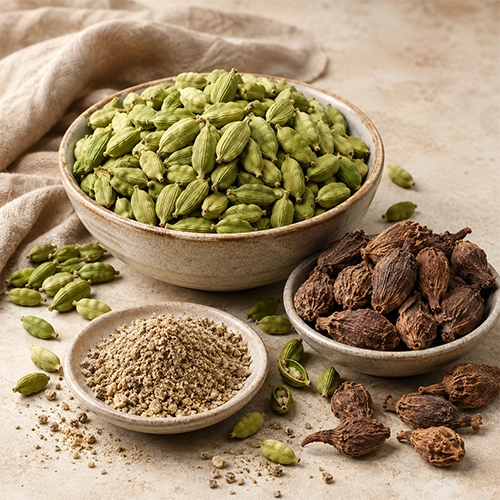
Cloves represent the most versatile flower bud spice. Whole cloves infuse slowly, releasing warming, slightly bitter character. Ground cloves integrate seamlessly into spice blends. The flavor carries through baking, savory dishes, and traditional beverages with remarkable staying power. Cardamom occupies equally important territory but requires more respect. Whole pods crack open to release seeds carrying citrusy, slightly floral intensity. The ritual of cracking pods before using became tradition because freshly released seeds deliver brightness that pre-ground versions cannot match.
Saffron stands alone as the world's most expensive spice. Tiny stigmas harvested from crocus flowers require hand labor and incredible precision. The investment in saffron signals respect for tradition and willingness to prioritize authenticity. Each precious thread carries history, labor, and the golden promise of dishes transformed.
For producers and suppliers, flower and bud spices require harvest precision. Timing determines whether buds capture optimal maturity and flavor concentration. Drying methods protect delicate structures. Storage protects against flavor loss and pest damage. Quality grading reflects size consistency and visual characteristics that buyers expect.
For retailers and food manufacturers, flower and bud selection reflects quality commitment. Whole forms appeal to professionals and enthusiasts. Ground versions serve convenience. Sourcing transparency matters increasingly as consumers question labor practices and sustainability.
This category connects specialized growers and processors with retailers and chefs who understand that flower and bud spices deliver impact disproportionate to their size.
Discover quality suppliers. Compare whole versus ground options. Source flower spices that transform dishes.

Fruit & Berry Spices
Fruit & Berry Spices: Brightness Born From Nature's Harvest
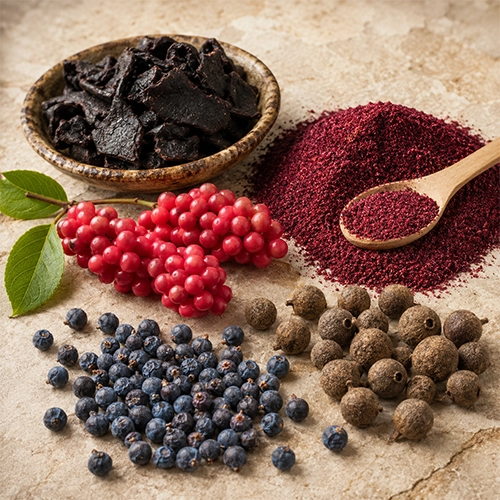
A cook reaches for peppercorns and cracks them fresh, watching black fragments scatter. The aroma that rises is sharp, alive, immediate. These aren't processed abstractions. They're actual berries from a pepper plant, each one carrying the flavor concentrated through the plant's entire growing cycle. Fruit and berry spices occupy unique territory where the botanical origin remains visibly obvious. You're not buying processed powder. You're buying actual fruits and berries that became spices through drying and processing.
Peppercorns dominate this category but represent only one expression. Green peppercorns deliver bright, almost fruity heat. Black peppercorns develop deeper, more complex warmth through maturation. White peppercorns offer subtlety that blends seamlessly. Pink peppercorns bring gentle sweetness alongside heat. Juniper berries contribute piney, slightly citrusy character to savory dishes and spirits. Allspice combines flavors reminiscent of cinnamon, clove, and nutmeg in a single berry. Coriander seeds offer warm, slightly citrusy brightness. Each fruit or berry carries distinct profile that transforms through drying and processing.
Fruit and berry spices offer advantages that other categories cannot match. The natural protective skin around berries preserves internal flavor compounds effectively. Whole forms remain viable for extended periods when stored properly. Grinding releases immediate intensity that consumers recognize and appreciate. Visual appeal matters significantly because these spices retain recognizable form that signals quality and freshness.
For producers and suppliers, fruit and berry sourcing requires understanding optimal harvest timing. Berries must achieve full maturity to develop maximum flavor. Drying methods protect delicate structures while concentrating compounds. Processing determines whether final products deliver on brightness and complexity that define this category.
For retailers and food manufacturers, fruit and berry selection reflects quality commitment. Whole forms appeal to chefs and enthusiasts. Ground versions serve convenience. Premium positioning demands fresh appearance and strong aroma indicating recent processing and proper storage.
This category connects berry producers with retailers and culinary professionals who understand that fruit and berry spices deliver brightness and complexity that define sophisticated cooking.
Discover quality suppliers. Compare berry varieties. Source spices that spark flavor and brightness.

Seed Pod Spices
Seed Pod Spices: Luxury Wrapped in Nature's Package
A baker opens a vanilla pod and carefully scrapes the tiny black seeds into a mixture. The aroma that rises is instantly recognizable. Vanilla represents something precious. It's been treasured for centuries, valued so highly that it once commanded prices rivaling precious metals. Yet it arrives in nature's perfect packaging. The pod itself is a vessel containing seeds that concentrate flavor in the most elegant form possible. Seed pod spices occupy territory where luxury, flavor intensity, and botanical beauty converge.
Vanilla dominates this category with commanding presence. A single pod contains thousands of tiny seeds packed with vanillin and countless other compounds that create vanilla's unmistakable character. Fresh pods deliver complexity that extract versions cannot match. The ritual of splitting a pod, scraping seeds, and infusing pods into liquids became tradition because the process honors what vanilla represents. Premium vanilla from Madagascar delivers different character than Tahitian or Mexican vanilla, each origin offering distinct floral or fruity notes that enthusiasts explore seriously.
Tamarind pods offer entirely different appeal. The pod contains sour, fruity pulp that transforms dishes with tartness and depth. Traditional cuisines across Asia and Africa rely on tamarind for complexity that balanced sweetness and acidity alone cannot provide. Fresh pods require processing to extract usable pulp. Processed tamarind appears as paste or dried fruit that cooks integrate into recipes.
For producers and suppliers, pod sourcing requires respecting the complete plant structure. Vanilla curing demands precise temperature and humidity management across months of processing. Tamarind harvesting requires identifying ripe pods and extracting quality pulp. Each step influences whether final products deliver promised flavor and complexity.
For retailers and manufacturers, seed pod selection reflects quality positioning. Whole vanilla pods appeal to premium markets and professional kitchens. Extract serves convenience and consistency. Tamarind paste enables quick integration into recipes while fresh pods appeal to traditionalists.
This category connects specialized growers with retailers and chefs who understand that seed pod spices deliver luxury, complexity, and tradition simultaneously.
Discover quality suppliers. Compare pod varieties. Source spices that deliver botanical elegance.

Nutmeg & Mace
Nutmeg & Mace: Twin Treasures From a Single Fruit
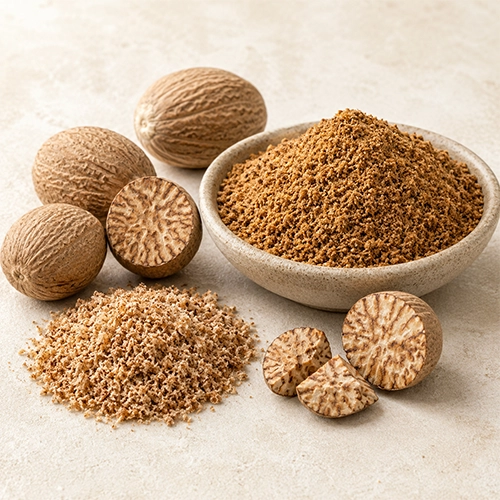
A spice merchant receives nutmeg and mace from the same harvest and immediately recognizes they're handling something unusual. These aren't separate spices from different plants. They're two distinct parts of the same fruit. The nutmeg is the kernel inside. The mace is the delicate red net wrapping around it. Yet each delivers entirely different flavor profile and culinary purpose. This singular relationship makes nutmeg and mace a category unto themselves. They're inseparable in origin yet distinct in character and application.
Nutmeg delivers warmth, slight sweetness, and complexity that works across cuisines. A tiny grating transforms cream sauces, desserts, and savory dishes. The flavor carries subtly, never overwhelming, always enriching. Freshly grated nutmeg from whole nuts exceeds pre-ground versions dramatically because volatile oils dissipate quickly once exposed to air. A microplane grater becomes essential equipment for anyone serious about flavor.
Mace carries different character entirely. The delicate strands offer peppery, slightly citrusy brightness that distinguishes it from nutmeg's warmth. Whole mace looks fragile and beautiful, almost like dried lace. Ground mace integrates seamlessly into spice blends where its distinctive character elevates without dominating. Traditional cooking respects mace as separate from nutmeg, understanding each serves distinct purposes.
For producers and suppliers, harvesting this single fruit yields two valuable products. The nutmeg kernel becomes obvious. The mace requires careful handling during processing to preserve its delicate structure. Quality nutmeg appears smooth and unblemished. Quality mace retains its reddish color and intricate webbing that signals proper drying.
For retailers and food manufacturers, nutmeg and mace selection reflects sophistication. Whole nutmegs serve professional kitchens and enthusiasts. Ground versions serve convenience. Sourcing transparency matters as consumers increasingly value understanding where spices originate.
This category connects growers with retailers and chefs who understand that nutmeg and mace represent unique spice abundance born from single botanical source.
Discover quality suppliers. Compare grinding options. Source nutmeg and mace that deliver warmth and brightness.

Mediterranean Herbs
Mediterranean Herbs: The Soul of Sun-Soaked Cooking
A cook stands in a Mediterranean kitchen garden and reaches for fresh basil, oregano, thyme, and rosemary. The act is second nature. These herbs aren't exotic ingredients requiring special sourcing. They're the foundation of everything that follows. The aroma that rises when these herbs release their oils speaks of sun, soil, and tradition spanning generations. Mediterranean herbs represent more than flavor. They represent an entire culinary philosophy built on simplicity, quality ingredients, and respect for what grows naturally in specific terroir.
Mediterranean herbs thrive in the specific climate and soil of the region. Intense sun, rocky terrain, and dry summers concentrate flavor compounds in ways that other growing conditions cannot replicate. Oregano from the Greek islands carries different character than oregano grown elsewhere. Basil from Italy tastes different from basil cultivated outside the Mediterranean. This terroir truth means sourcing becomes strategic. Authentic Mediterranean cooking demands herbs sourced from their native regions or cultivated with understanding of traditional methods.
Fresh herbs deliver immediacy that dried versions cannot match. A pinch of fresh oregano transforms a simple tomato sauce. Fresh basil added at the final moment brightens dishes with brightness and aromatic complexity. Dried herbs serve differently, concentrating flavor and enabling year-round availability. Both forms serve culinary purposes depending on application and timing.
For producers and suppliers, Mediterranean herb sourcing requires respecting tradition alongside commercial reality. Wild harvesting preserves authenticity but supplies limited quantities. Cultivated herbs enable scale while maintaining quality standards. Organic practices increasingly matter as consumers seek clean sourcing aligned with Mediterranean philosophy.
For retailers and food manufacturers, herb selection reflects culinary commitment. Premium positioning demands fresh quality and authentic origin. Specialty blends celebrate Mediterranean combinations. Educational marketing helps consumers understand how these herbs define an entire cuisine.
This category connects Mediterranean growers with retailers and chefs who understand that these herbs represent more than seasoning. They represent a way of cooking built on sunshine, tradition, and respect for simple excellence.
Discover quality suppliers. Compare freshness and sourcing. Source herbs that honor Mediterranean tradition.

Asian Herbs
Asian Herbs: Ancient Traditions Transforming Global Palates
A cook reaches for Thai basil and immediately recognizes something fundamentally different from the Mediterranean version sitting nearby. The aroma is sharper, more anise-forward, with peppery heat that announces itself boldly. This is not a mild garnish. This is an ingredient demanding respect, transforming dishes through its distinctive character. Asian herbs operate in a different universe from their Mediterranean counterparts. They're bolder, more assertive, more willing to dominate the dishes they inhabit. Understanding this distinction reveals why Asian herbs have become increasingly central to global cooking as palates expand and cuisines travel.
Asian herbs span extraordinary diversity across the continent. Thai basil, holy basil, and regular basil each deliver distinct profiles that cannot be substituted for one another. Cilantro appears across Southeast and South Asian cooking with passionate devotion. Vietnamese mint, Thai mint, and spearmint carry different characteristics suited to specific applications. Lemongrass provides citrusy brightness essential to Southeast Asian cooking. Shiso delivers unique umami character central to Japanese cuisine. Perilla offers subtle complexity to Korean preparations. Each herb carries cultural significance rooted in centuries of culinary tradition.
For producers and suppliers, Asian herb sourcing requires understanding cultivation requirements and traditional harvesting methods. These herbs thrive in specific climates. Fresh sourcing demands reliable logistics because many cuisines prefer just-harvested intensity. Dried versions concentrate flavor powerfully for applications where preservation matters.
For retailers and food manufacturers, Asian herb selection reflects commitment to authentic cuisine. Fresh herbs serve ethnic markets and authentic restaurants. Dried versions enable year-round availability. Sourcing transparency increasingly matters as consumers discover these herbs and want to understand their origins.
This category connects growers with retailers and chefs who understand that Asian herbs deliver intensity, tradition, and the bold flavors that define some of the world's most beloved cuisines.
Discover quality suppliers. Compare herb varieties. Source Asian herbs that honor culinary tradition.

Latin American & Caribbean Herbs
Latin American & Caribbean Herbs: Vibrant Flavors Born From Island and Jungle
A cook from the Caribbean reaches for recao and immediately smells home. The herb carries history in its aroma. A chef preparing Mexican food selects hoja santa for wrapping and steaming, understanding that certain dishes simply cannot exist authentically without it. A cook making sofrito combines cilantro, culantro, and recao in precise proportions, creating the aromatic base that defines Caribbean and Latin American cooking. These herbs aren't interchangeable with Mediterranean or Asian alternatives. They're distinct expressions of terroir, tradition, and the vibrant culinary cultures that have shaped them across centuries.
Latin American and Caribbean herbs carry the intensity of tropical climates and the bold flavors that define these cuisines. Cilantro appears across the region but takes on different character depending on whether it's cultivated in Mexico, Puerto Rico, or elsewhere. Culantro offers cilantro-like qualities with more assertive flavor and heartier structure suited to prolonged cooking. Recao, also called culantro in some regions, delivers distinctive complexity central to sofrito preparations. Mexican oregano differs fundamentally from Mediterranean oregano, carrying peppery, slightly citrusy notes that transform Mexican dishes. Epazote brings pungent, almost gasoline-like character that earthy Mexican cooking treasures for centuries.
For producers and suppliers, sourcing requires understanding regional specificity. These herbs thrive in tropical conditions. Traditional cultivation methods preserve authentic character. Fresh sourcing demands reliable cold chain logistics because Caribbean and Latin American cooking often demands just-harvested intensity and texture.
For retailers and manufacturers, herb selection reflects authentic positioning. Caribbean markets demand traditional herbs with established sourcing. Latin American restaurants require quality that honors culinary tradition. Specialty sourcing appeals to home cooks discovering these cuisines and wanting to cook authentically.
This category connects tropical growers with retailers and chefs who understand that Latin American and Caribbean herbs deliver vibrance, tradition, and the bold flavors defining these celebrated cuisines.
Discover quality suppliers. Compare regional varieties. Source herbs that honor Caribbean and Latin American tradition.

Middle Eastern & North African Herbs
Middle Eastern & North African Herbs: Millennia of Culinary Wisdom
A cook from Lebanon reaches for sumac and understands immediately that a simple ingredient carries centuries of tradition. A North African chef preparing tagine combines preserved lemon with fresh cilantro and coriander, creating flavor dimensions that transform meat and vegetables into something transcendent. A Middle Eastern baker sprinkles za'atar across bread before baking, honoring a spice blend so central to the region that it defines entire categories of eating. Middle Eastern and North African herbs occupy territory where ancient trade routes converge, where spice routes brought influences from distant lands, and where culinary traditions became sophisticated and deeply rooted.
These herbs carry flavors that feel simultaneously bold and refined. Sumac delivers tartness without sourness, bringing brightness to dishes with complexity that lemon alone cannot provide. Za'atar combines thyme, sesame, and sumac into a blend so iconic it became cultural identity. Mint appears throughout the region in countless varieties. Moroccan mint differs from Persian mint, each suited to specific applications and regional traditions. Fresh cilantro and parsley appear across cuisines, building foundations for sauces and preparations. Preserved lemons represent herb tradition transformed through fermentation, becoming ingredient rather than fresh garnish.
For producers and suppliers, sourcing requires understanding terroir and traditional preparation methods. These herbs thrive in semi-arid climates. Sun drying concentrates flavors powerfully. Quality grading reflects color consistency and aromatic strength that buyers expect. Sourcing fairness increasingly matters as consumers question labor practices and sustainability.
For retailers and manufacturers, herb selection reflects authentic positioning. Premium sumac and za'atar appeal to enthusiasts and restaurants. Specialty blends celebrate regional combinations. Educational marketing helps consumers understand how these herbs define Middle Eastern and North African cuisines.
This category connects regional growers with retailers and chefs who understand that these herbs represent millennia of culinary wisdom and cultural identity.
Discover quality suppliers. Compare regional blends. Source herbs that honor Middle Eastern and North African tradition.

Indian Spice Blends
Indian Spice Blends: The Art of Balance and Generations of Knowledge
A grandmother in India teaches her daughter to make garam masala from scratch. She toasts whole spices in a dry pan, fills the kitchen with aromas that signal her expertise, grinds everything to powder, and stores it in a container where it will slowly lose potency over weeks. Her daughter learns that garam masala isn't a fixed formula. Every family has their own blend. Every region has variations. Every cook adjusts based on intuition, tradition, and what grows nearby. This is the heart of Indian spice blending. It's not industrial uniformity. It's living tradition constantly reinterpreted.
Indian spice blends represent centuries of culinary refinement. Garam masala provides warming spices that balance heavy foods. Curry powder emerged when British colonizers demanded something approximating Indian flavors, becoming its own tradition even as Indian cooks remained skeptical. Regional blends honor specific cuisines. Bengali blends taste different from South Indian blends. Punjabi masalas differ from Goan blends. Each reflects climate, available ingredients, and culinary philosophy developed across generations.
The art lies in balance. Cinnamon shouldn't overpower cloves. Coriander must support cardamom without disappearing. Cumin needs presence without dominance. A skilled blender understands how spices interact, how heat transforms them, how individual components strengthen or weaken depending on application.
For producers and suppliers, blending demands expertise beyond sourcing individual spices. Master blenders develop proprietary recipes refined across years. Quality control ensures consistency batch to batch. Freshness matters intensely because blended spices lose potency faster than whole spices. Storage protections preserve volatile oils.
For retailers and home cooks, the choice between fresh-ground and pre-made blends reflects competing values. Fresh blending delivers maximum intensity and authenticity. Pre-made blends offer convenience and consistency.
This category connects blenders with retailers and cooks who understand that Indian spice blends represent living traditions and generations of accumulated wisdom.
Discover quality blenders. Compare blend philosophies. Source blends that honor Indian culinary tradition.

Middle Eastern & North African Blends
Middle Eastern & North African Blends: Spice Routes Captured in Bowls
A Moroccan cook reaches for their ras el hanout and knows immediately that they're holding centuries of trade history. The blend contains dozens of spices, some prominent, others whispered in background. Every cook's version differs slightly because ras el hanout means "head of the shop," referring to a spice merchant's personal selection of their finest ingredients. A Tunisian cook prepares harissa by combining chiles, garlic, and spices into a paste that becomes the foundation for countless dishes. A Lebanese kitchen keeps sumac, thyme, and sesame combined as za'atar, ready to scatter across bread or vegetables. These blends aren't industrial standardization. They're cultural expressions where geography, trade history, and generations of culinary wisdom converge.
Middle Eastern and North African blends carry flavors that feel simultaneously complex and balanced. Ras el hanout might contain cinnamon, cumin, coriander, turmeric, paprika, and mysterious additions that define individual merchants' reputations. Dukkah combines nuts, seeds, and spices into a blend meant for dipping bread in olive oil, delivering crunch alongside flavor. Baharat provides warm spicing essential to Arab cooking across the region. These aren't casual combinations. They're thoughtful assemblies reflecting understanding of how spices interact and what creates culinary harmony.
For producers and blenders, creating authentic blends requires respecting regional traditions and understanding how individual spices behave when combined. Master blenders study traditional preparations and develop consistent versions that honor authenticity while enabling commercial scale. Quality sourcing of individual components becomes critical because the final blend is only as good as its weakest ingredient.
For retailers and manufacturers, blend selection reflects authentic positioning. Whole-spice blends appeal to enthusiasts and professional kitchens. Paste versions serve convenience. Sourcing transparency increasingly matters as consumers discover these cuisines and want to understand their origins.
This category connects regional blenders with retailers and chefs who understand that Middle Eastern and North African blends represent trade routes, cultural identity, and the sophisticated flavors defining these celebrated cuisines.
Discover quality blenders. Compare regional varieties. Source blends that honor culinary heritage.

European & American Blends
European & American Blends: Comfort Food Traditions Meet Bold Experimentation
A cook preparing Italian food reaches for Italian seasoning and knows immediately they're using a blend that doesn't actually exist in Italy. It's an American invention, a convenient combination of oregano, basil, and thyme that approximates Italian flavors in practical form. A pitmaster in the American South guards their BBQ rub recipe like a family secret, understanding that the specific combination of paprika, brown sugar, garlic, and spices defines their signature. A New Orleans cook prepares Creole seasoning, blending European tradition with African and Caribbean influences that shaped Louisiana's unique culinary voice. These blends tell stories about immigration, adaptation, available ingredients, and how culinary traditions evolve when people arrive in new lands and learn to cook with what surrounds them.
European blends honor centuries of refined cooking. Herbes de Provence captures Mediterranean herbs in dried form. French seasoning balances subtle flavors for classical cooking. Bouquet garni represents French technique transformed into convenient dried bundles. These blends celebrate restraint and sophistication. American blends tell different stories. BBQ rubs embrace boldness and regional identity. Cajun seasoning reflects New Orleans' multicultural heritage. Pumpkin pie spice celebrates seasonal celebration and tradition. These blends showcase how American cooking developed through adaptation, experimentation, and willingness to combine influences boldly.
For producers and blenders, these categories require understanding both historical tradition and contemporary consumer expectations. European blends demand authenticity and quality sourcing that honors classical cooking. American blends embrace innovation while respecting regional identity and established preferences.
For retailers and manufacturers, blend selection reflects market positioning. Premium European blends appeal to classical cooking enthusiasts. American regional blends celebrate cultural identity and comfort food traditions. Sourcing quality matters because these blends often appear in home cooking where consumers notice inconsistency immediately.
This category connects blenders with retailers and cooks who understand that these blends represent culinary heritage and the ways traditions adapt and flourish.
Discover quality blenders. Compare regional traditions. Source blends that celebrate culinary identity.

Asian Blends
Asian Blends: The Foundation of Flavor-Forward Cooking
A Vietnamese cook prepares pho by simmering spices that have been toasted and combined in precise proportions. Cinnamon, star anise, cloves, and coriander create the fragrant broth that defines the dish. A Thai cook makes curry paste by combining chilies, garlic, galangal, and spices into a thick base that transforms coconut milk and vegetables into something transcendent. A Chinese cook reaches for five spice powder and understands they're holding a blend so iconic it represents an entire culinary philosophy. An Indian cook prepares different masalas depending on region and dish, understanding that garam masala differs from tandoori masala differs from chaat masala. Asian blends aren't afterthoughts. They're the foundations upon which entire cuisines are built.
Asian blends embrace boldness and complexity simultaneously. Five spice balances warming cinnamon with licorice-forward star anise and peppery clove, creating harmony that feels sophisticated. Curry pastes combine heat with aromatic depth, delivering intensity that fresh ingredients alone cannot achieve. Tandoori masala combines yogurt with spices into a coating that transforms protein into something magnificent. These blends represent generations of refinement, where cooks understood how spices behave together and what combinations create culinary magic.
For producers and blenders, Asian blends demand technical expertise. Fresh paste versions require careful preservation to prevent spoilage. Dry blends need freshness protection because volatile oils dissipate quickly. Understanding traditional preparation methods while enabling commercial scale becomes delicate balance.
For retailers and manufacturers, blend selection reflects culinary authenticity. Premium curry pastes serve restaurants and enthusiasts. Dry blends enable year-round availability. Regional specificity matters increasingly as consumers discover Asian cuisines and want to cook authentically.
This category connects Asian blenders with retailers and chefs who understand that these blends represent culinary foundations and the sophisticated flavors defining Asia's celebrated cuisines.
Discover quality blenders. Compare regional varieties. Source blends that honor Asian culinary tradition.

Salt Blends & Seasonings
Salt Blends & Seasonings: Finishing Touches That Transform Everything
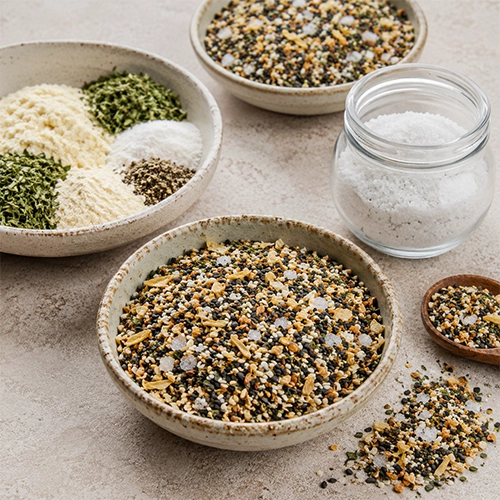
A chef reaches for finishing salt and understands immediately they're holding something different from table salt sitting in the kitchen. This salt carries texture, minerals, and flavor compounds that elevate rather than simply season. A sprinkle across perfectly roasted vegetables adds crunch alongside salt. A pinch on chocolate desserts creates contrast that deepens flavor. A finishing salt blend containing herbs and spices becomes the final flourish that defines a dish's identity. Salt blends and seasonings occupy the space between basic seasoning and sophisticated technique. They're how cooks move beyond simple salt to create nuanced flavor experiences.
Salt blends combine sea salt, mineral-rich salts, and complementary seasonings into products that serve specific purposes. Garlic salt provides convenient seasoning for everything from roasted vegetables to popcorn. Herb salts capture fresh flavors preserved in dried form. Truffle salt delivers luxury in convenient crystal form. Smoked salts add depth without requiring smoking equipment. Infused salts explore endless possibilities. Each blend serves distinct culinary applications and consumer preferences.
For producers and blenders, salt sourcing becomes strategic. High-quality sea salt provides mineral complexity that refined table salt cannot match. Himalayan pink salt offers trace minerals and distinctive appearance. Fleur de sel brings delicate character suited to finishing. Combining salts with dried herbs and spices requires understanding how flavors develop and what ratios create balanced results.
For retailers and food manufacturers, salt blend selection reflects culinary sophistication. Premium finishing salts appeal to restaurants and home cooks seeking excellence. Convenient seasoning blends serve everyday cooking. Specialty infusions differentiate from competitors and command premium pricing.
This category connects salt producers and blenders with retailers and chefs who understand that finishing touches define culinary excellence and that salt blends deliver convenience alongside sophistication.
Discover quality suppliers. Compare salt varieties. Source blends that elevate every dish.