GlobalSourceExpoLtd
Get QuoteRequest HubProducts & ServicesAbout usConnect with us

FOOD and BEVERAGE

product-featured-image

FOOD and BEVERAGE

“Flavors of regions, nourishment for modern lives.”

Foods begin in farms and family kitchens where recipes meet raw ingredients. Grains, oils, snacks, and regional specialties are prepared with hygiene, patience, and respect for tradition before being graded and packed for safe travel.

Rich in natural nutrients and authentic taste, these products connect culture to daily nourishment. Careful handling and traceability protect quality from source to shipment.

Behind every pack are producers and food workers whose margins are often thin despite meaningful labor. Still, they continue—because feeding people is honorable work rooted in heritage.

Global Source Expo ensures these flavors reach markets where health, authenticity, and fairness align.

From ancient kitchens to modern tables, food has always carried culture across borders.

View Products

Popular subcategories under FOOD and BEVERAGE

MEAT, POULTRY & EGGS

MEAT, POULTRY & EGGS

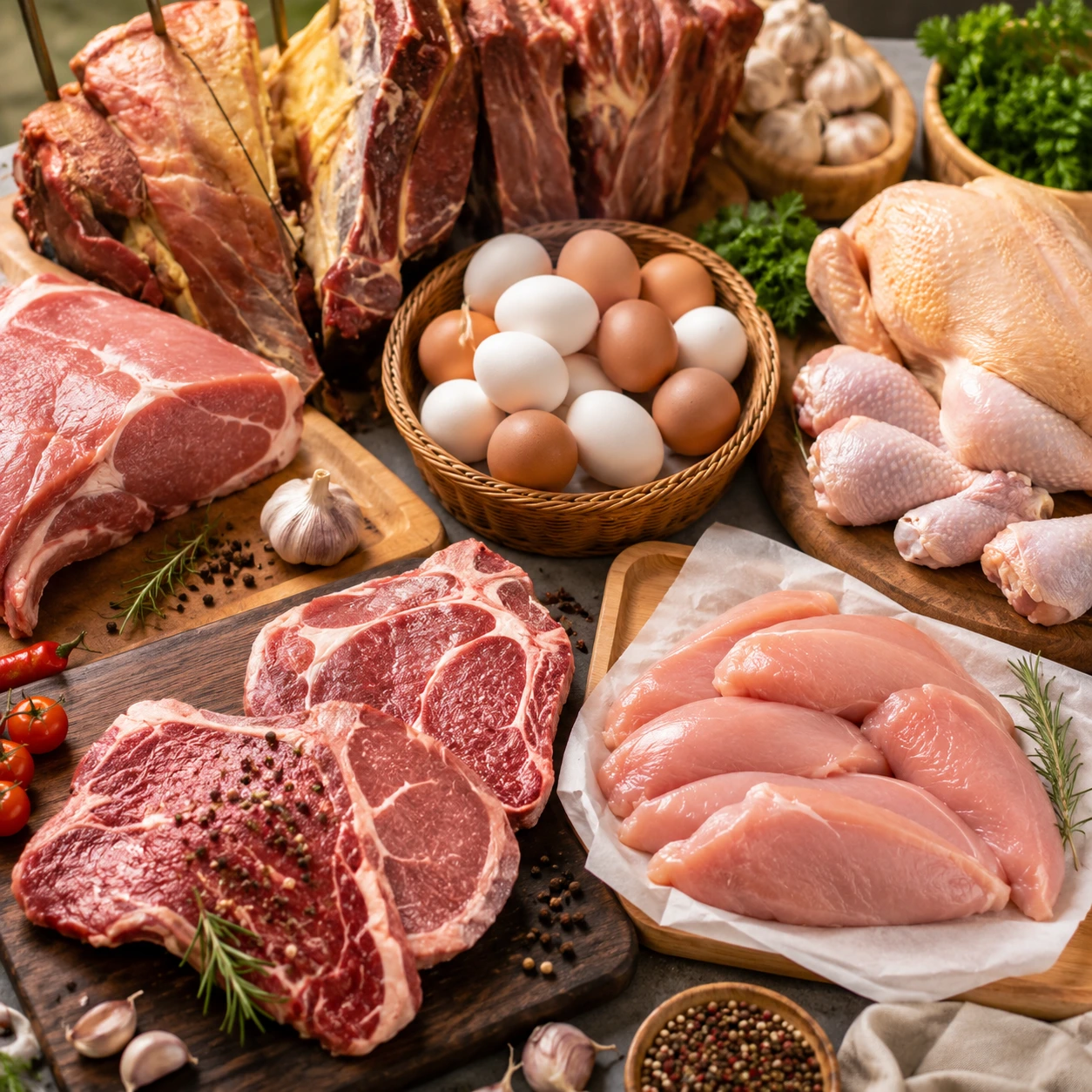
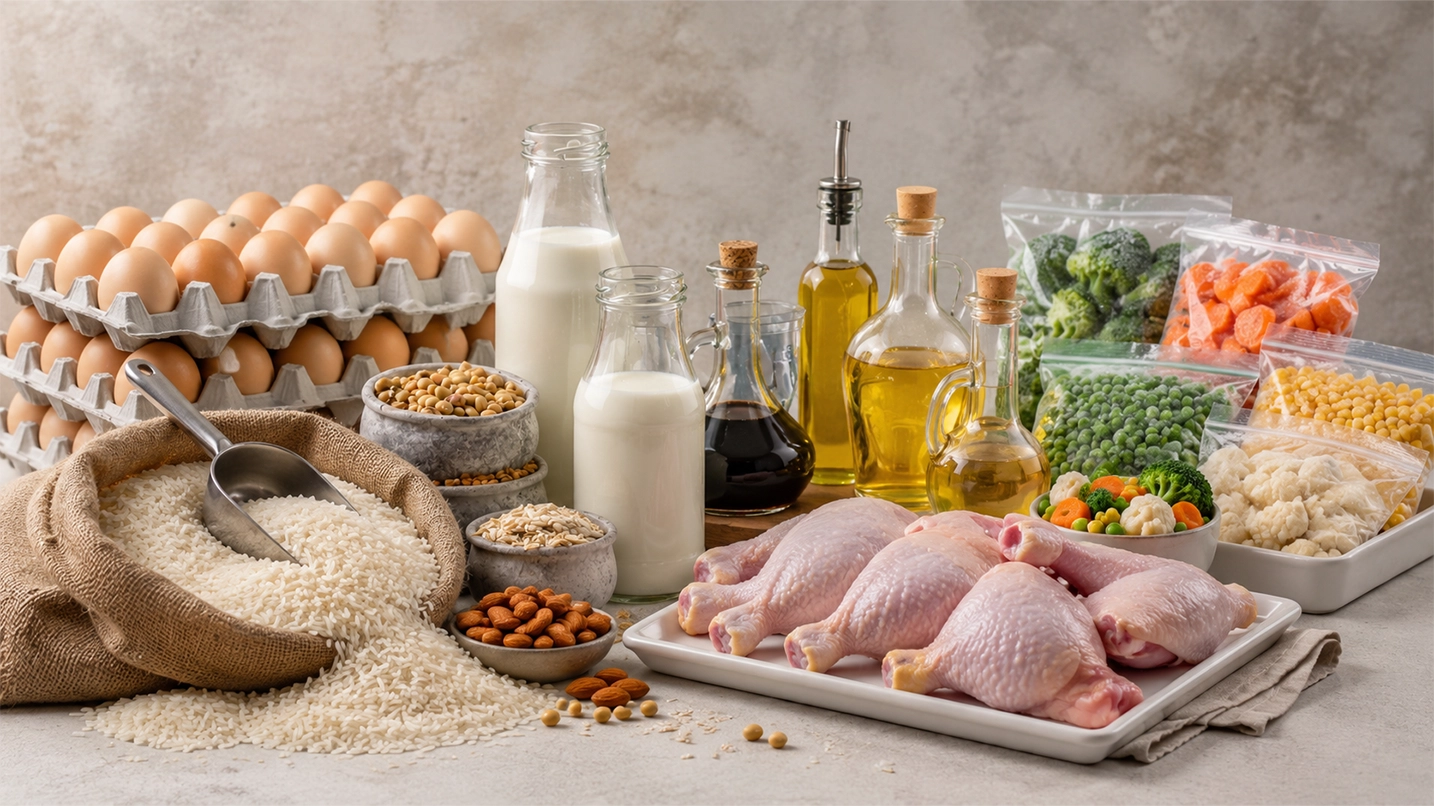
Meat, Poultry & Eggs: Feeding the World Through Trust and Precision

Global protein demand doesn't pause. Every day, billions of consumers make purchasing decisions based on assumptions: that the chicken is healthy, that the beef meets standards, that the eggs come from operations they'd trust. Meeting this expectation at scale — across supply chains spanning continents, coordinating with thousands of producers, maintaining quality and safety standards that never slip — is the invisible engineering that defines modern food systems.

This is where the meat, poultry, and eggs category lives. It's not simply about production; it's about orchestrating complex systems that consistently deliver protein of verified quality, traced origin, and measurable safety standards. It's about producers investing in animal welfare standards that increasingly matter to end consumers. It's about processors implementing technology that ensures consistency across batches. It's about distributors managing cold chains that preserve quality from farm to retailer.

For buyers in this category — whether they're food processors seeking reliable supply chains, retailers requiring consistent quality, or exporters navigating international standards — the stakes are significant. A single contamination incident ripples across entire networks. A quality inconsistency damages reputation accumulated over years. Supply disruptions cascade through distribution channels that depend on predictable availability.

The category is evolving rapidly. Sustainability demands reshape production practices. Traceability technology now enables verification from farm to final sale. Consumer preferences increasingly influence production standards. Regulatory requirements tighten across markets.

This space connects producers, processors, and suppliers with buyers who understand that feeding the world demands excellence — not just in production, but across every link in the chain that brings food to tables with the trust it demands.

Discover verified suppliers. Compare quality standards. Build supply chains built on reliability, not luck.

View Products
DAIRY & DAIRY ALTERNATIVES

DAIRY & DAIRY ALTERNATIVES

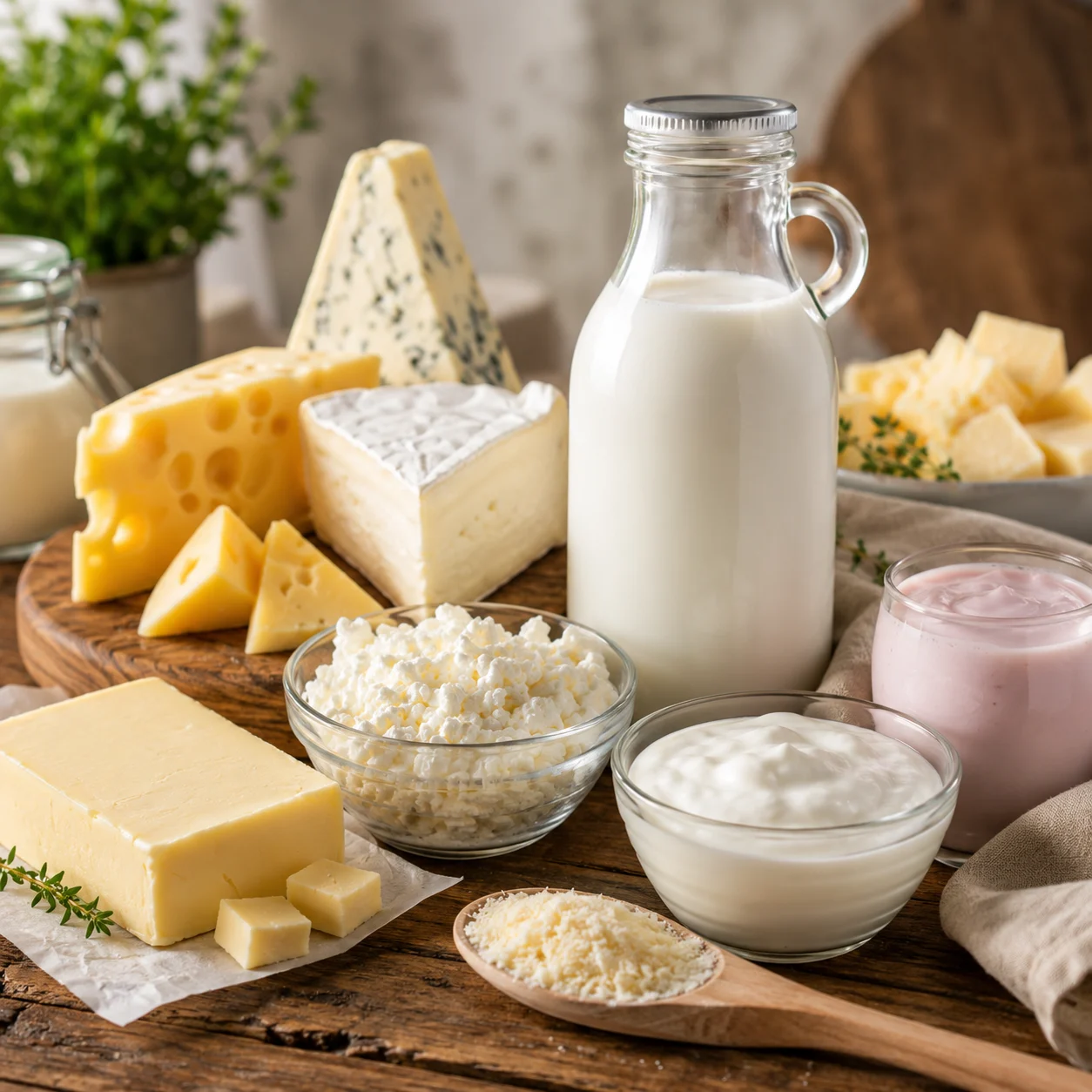
Dairy & Dairy Alternatives: Navigating the Evolution of Protein and Nutrition

For millennia, dairy was simple: cows, milk, cheese, butter — a supply chain refined across centuries into dependable systems that fed the world. Then the conversation changed. Sustainability concerns emerged. Lactose intolerance and allergies redefined dietary requirements. Environmental consciousness shifted consumer expectations. Suddenly, the category that once seemed immutable fractured into competing visions of what nutrition should look like.

Today's dairy and dairy alternatives market reflects that fractured reality. Traditional dairy producers work to meet evolving sustainability standards, animal welfare expectations, and quality benchmarks that yesterday's systems never contemplated. Meanwhile, plant-based alternatives disrupt established markets, requiring entirely different supply chains, processing technologies, and distribution networks. Both operate simultaneously, competing for shelf space and consumer preference while fundamentally reshaping what "dairy" means.

For B2B buyers navigating this landscape — food processors developing new products, retailers managing shelves split between traditional and alternative, distributors coordinating increasingly complex supply networks — the challenge is clear: how do you invest in a category where the ground keeps shifting?

The answer lies in working with suppliers who understand the evolution, not just the legacy. Producers investing in sustainability without sacrificing quality. Alternative manufacturers proving nutritional equivalence, not just market position. Processors capable of scaling new products while managing traditional supply chains. Distributors flexible enough to handle category transformation.

This space connects producers and suppliers with buyers building strategies for a market where competition isn't dairy versus alternatives — it's between those who anticipate change and those who react to it.

Discover innovative suppliers. Compare sustainability standards. Build product portfolios built for how consumers eat tomorrow.

RICE

RICE

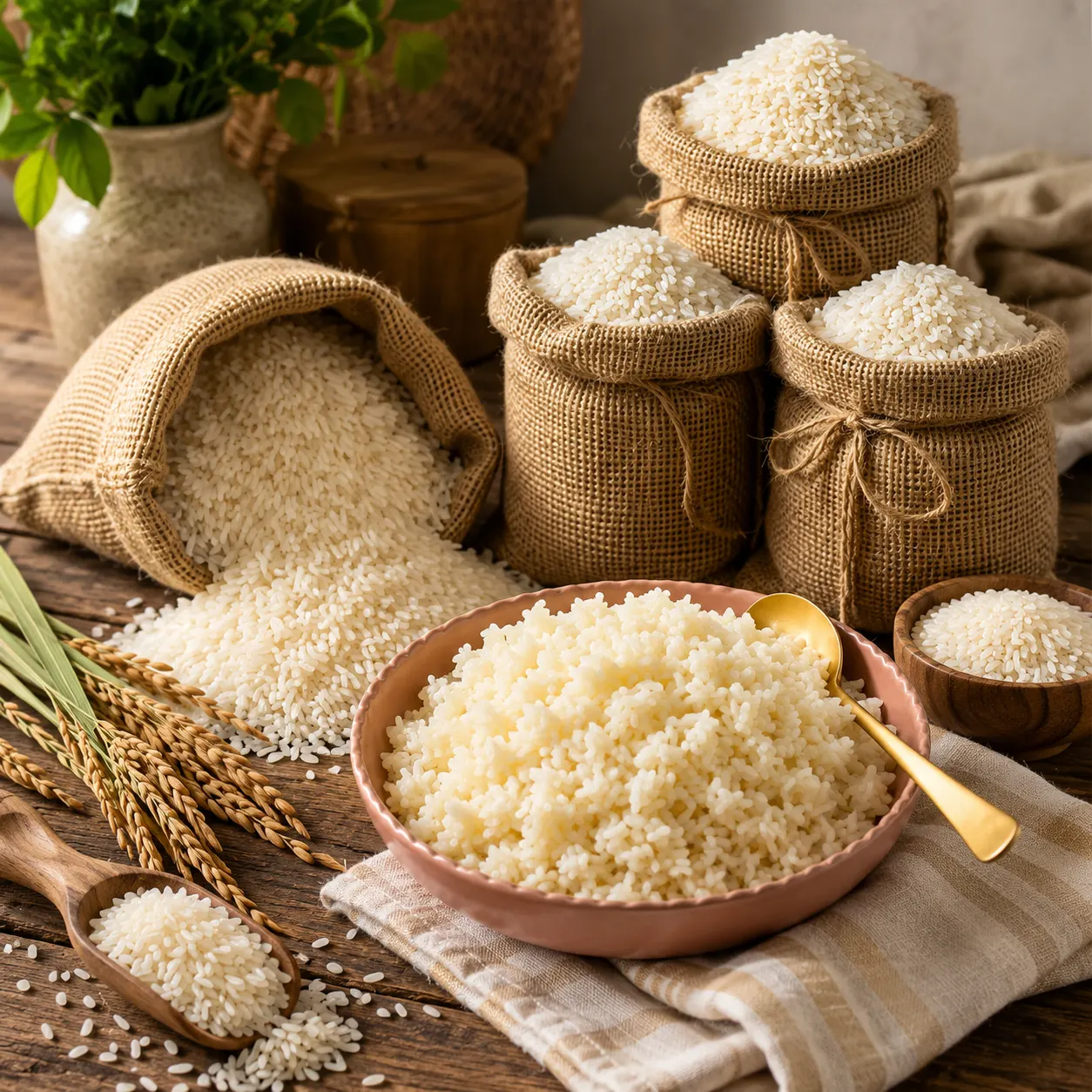
Rice: The Foundation of Global Food Security

More people wake up and eat rice than any other crop on Earth. In Asia, Africa, and increasingly across the developing world, rice isn't a side dish or occasional staple — it's the foundation of nutrition for billions. A bad rice harvest doesn't just mean local hardship; it reverberates through global markets, affecting prices, availability, and food security across continents. This reality defines everything about the rice category: the stakes are profound, the complexity is constant, and the margin for error is razor-thin.

Modern rice supply chains operate under mounting pressure. Climate volatility threatens yields in traditional growing regions. Population growth demands productivity increases from land that's already intensively cultivated. Water scarcity challenges irrigation systems that have sustained rice farming for centuries. Simultaneously, quality expectations have risen — buyers demand consistency in grain size, color, cooking characteristics, and nutritional content that wasn't systematically prioritized a generation ago.

For buyers in this category — millers sourcing paddy rice, processors developing value-added products, exporters navigating international markets, retailers managing consumer expectations — success requires working with suppliers who understand both the science and the complexity. Farmers investing in yield-enhancing practices while managing environmental constraints. Processors implementing quality controls that ensure consistency batch after batch. Traders navigating volatile global markets while securing reliable supply.

This category connects producers, processors, and traders with buyers who understand a simple truth: rice feeds the world, which means excellence in every step of the supply chain isn't optional — it's essential.

Discover reliable suppliers. Compare quality standards. Secure the supply that feeds billions.

GRAINS & CEREALS

GRAINS & CEREALS

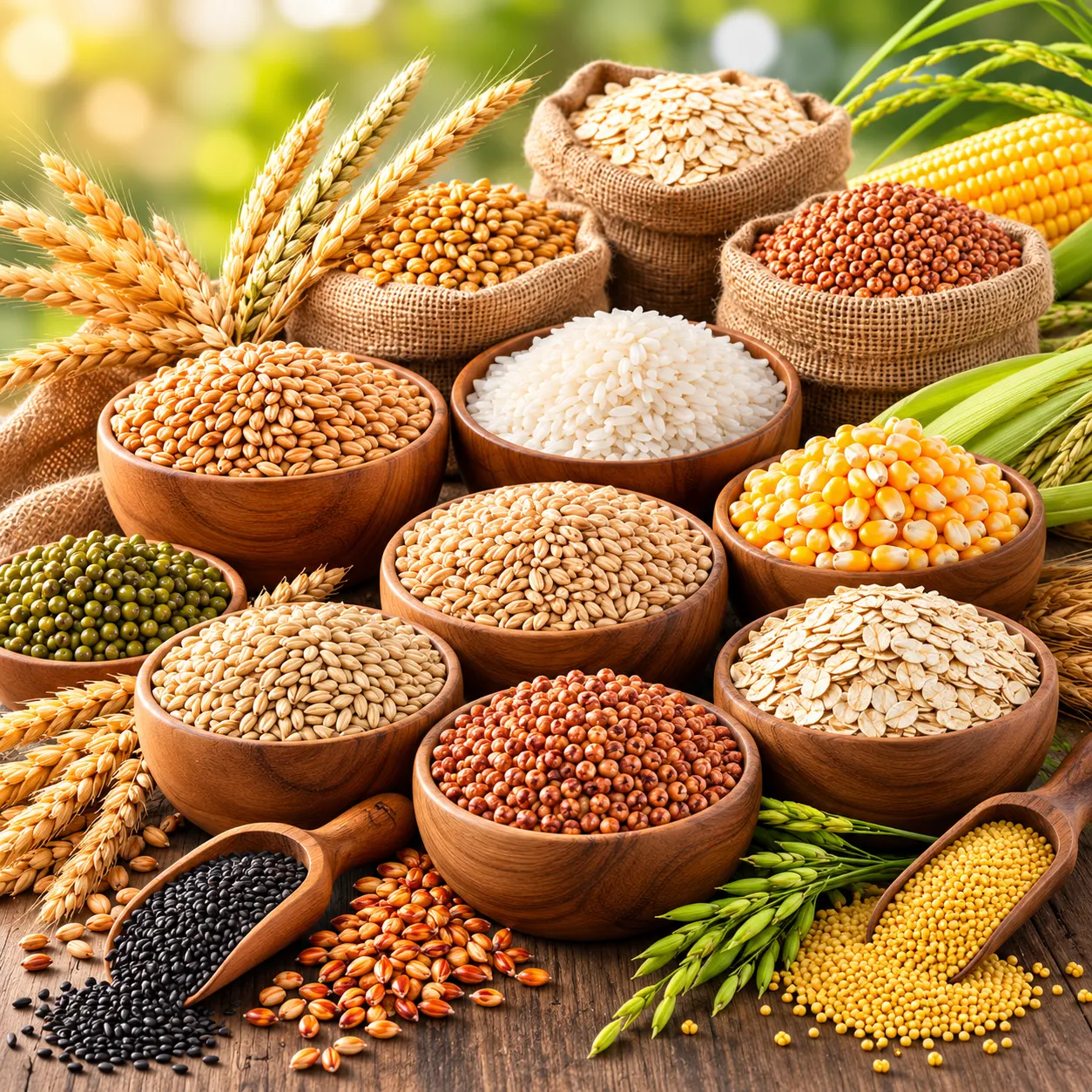
Grains & Cereals: The Invisible Architecture of Global Sustenance

Civilization was built on grain. Wheat fields fed empires. Corn transformed continents. Barley and oats sustained populations through seasons of scarcity. Today, that foundation remains invisible but unmistakably essential — the global grain trade moves billions of tons annually, influences geopolitical tensions, and determines whether developing nations have food security or face crisis. A single poor harvest in a major producing region ripples through global markets, affecting prices, availability, and nutrition for populations thousands of kilometers away.

This is why the grains and cereals category operates under relentless pressure. Climate volatility threatens yields in established growing regions. Population growth demands productivity increases that push agronomic limits. Water scarcity challenges irrigation infrastructure. Simultaneously, quality demands have escalated — processors require consistent protein levels, millers need predictable moisture content, exporters navigate international standards that vary by destination market. Consistency across harvests, across regions, across supply chains has become non-negotiable.

For buyers in this category — millers sourcing quality grain, processors developing food products, traders navigating volatile global markets, food manufacturers dependent on reliable supply — success hinges on working with suppliers who understand scale, consistency, and complexity. Farmers investing in yield stability and quality management. Processors implementing controls that ensure batch-to-batch reliability. Traders with expertise navigating price volatility while securing supply security.

This space connects producers, processors, and suppliers with buyers who understand grains don't just feed people — they stabilize economies, support livelihoods, and anchor food systems across the developing world.

Discover verified suppliers. Compare quality metrics. Secure the grain supply that feeds the world.

PULSES & LEGUMES

PULSES & LEGUMES

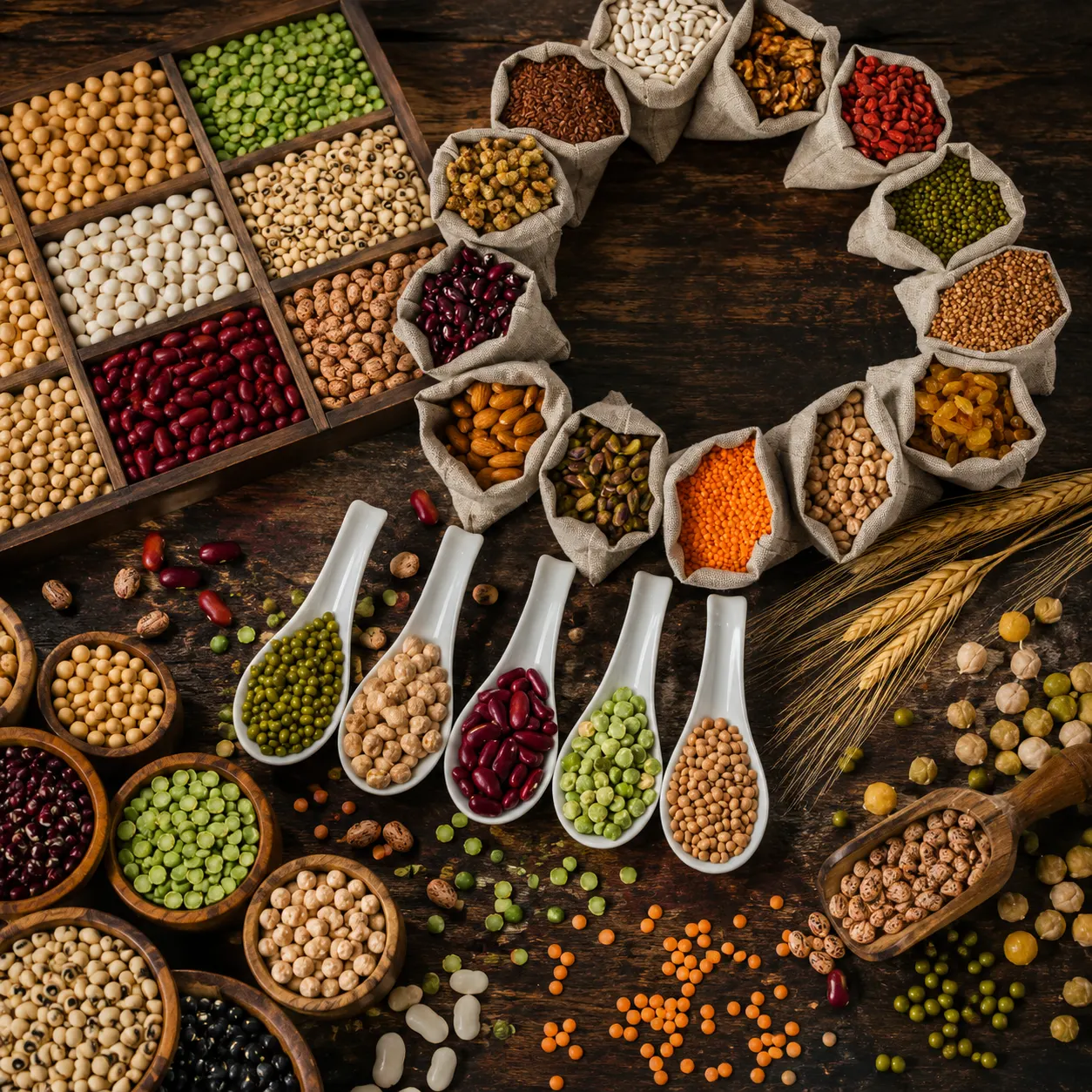
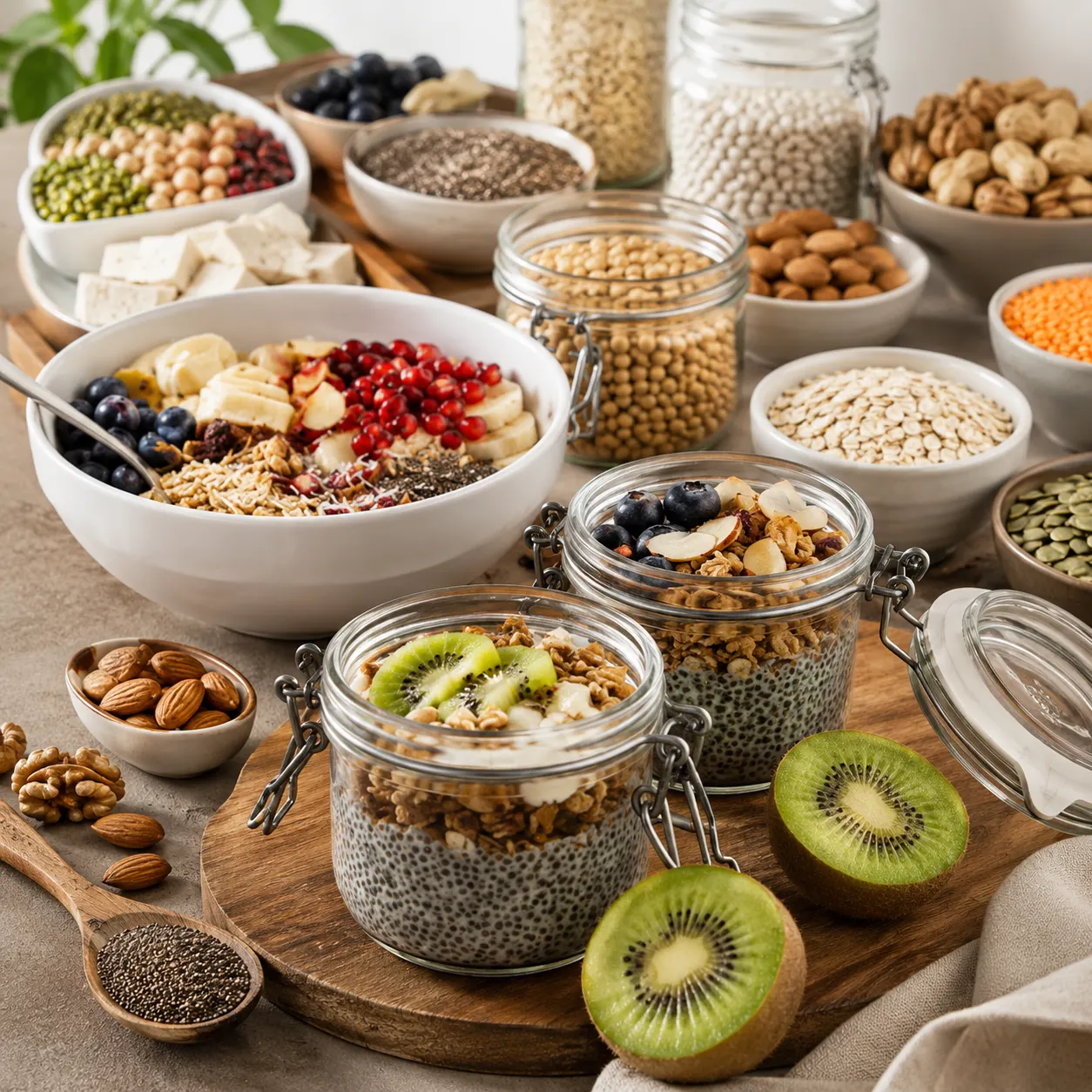
Pulses & Legumes: The Protein Revolution Growing Quietly Underfoot

For generations, pulses occupied a humble position in global agriculture — practical crops for subsistence farmers, nutritional staples in developing economies, dietary footnotes in wealthy nations. Then the conversation shifted. Climate scientists highlighted their nitrogen-fixing properties, reducing fertilizer dependency and environmental impact. Nutritionists recognized their protein density, positioning them as sustainable alternatives to animal-based protein. Consumers increasingly demanded plant-based options. Suddenly, pulses and legumes transformed from agricultural staples into category darlings, with demand outpacing supply and prices reflecting that fundamental shift.

Today's pulses market reflects this transformation in real time. Traditional producing nations like India and Canada struggle to meet global demand that's doubling across major markets. Climate volatility threatens yields in established growing regions. Processing capacity lags behind market appetite for value-added products. Quality standards have risen sharply — buyers demand consistency in size, color, protein content, and purity that wasn't systematically prioritized even a decade ago.

For B2B buyers — food manufacturers developing plant-based products, processors creating pulse-based ingredients, exporters serving emerging markets, retailers responding to shifting consumer preferences — working with the right suppliers becomes strategically critical. Farmers investing in sustainable cultivation and yield consistency. Processors implementing quality controls ensuring reliable nutritional profiles. Traders with expertise navigating price volatility while securing sustainable supply chains.

This category represents agriculture's quiet revolution — crops that address sustainability concerns, nutritional demand, and climate resilience simultaneously, attracting investment and innovation from every direction.

Discover quality suppliers. Compare nutritional specifications. Build products powered by the protein revolution.

CONDIMENTS, SAUCES & OILS

CONDIMENTS, SAUCES & OILS

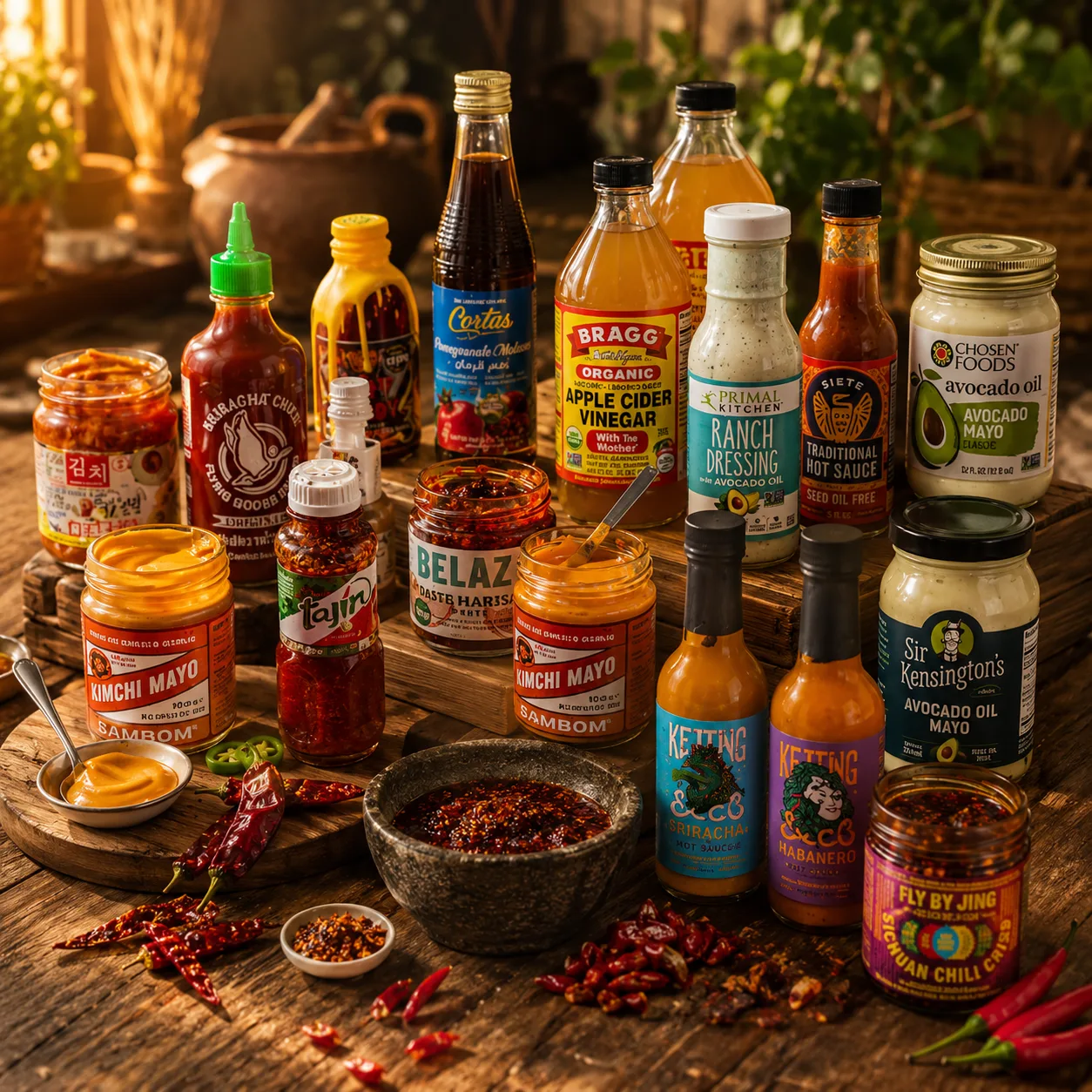
Condiments, Sauces & Oils: Where Flavor Meets Supply Chain Complexity

A meal without condiments is incomplete — but most consumers never consider what goes into that simple bottle of sauce sitting on the shelf. Behind it lies a supply chain spanning continents: sourcing raw ingredients with specific flavor profiles and quality characteristics, managing processing that preserves taste while ensuring food safety, navigating regulatory requirements that vary dramatically by destination market, and maintaining consistency across batches so that today's bottle tastes identical to last year's. What appears simple is, in reality, intricate orchestration.

The condiments, sauces, and oils category has undergone profound transformation. Traditional products — mayonnaise, vinegar, soy sauce — now compete with artisanal variants emphasizing heritage, authenticity, and small-batch production. Health-conscious consumers demand reduced-sodium options, cleaner ingredient lists, and transparency about sourcing. Sustainability concerns reshape production practices. Global palates increasingly demand authentic ethnic condiments, creating opportunities for suppliers who understand authentic flavor profiles rather than mass-market approximations.

For food manufacturers, processors, and retailers, sourcing in this category demands precision. A single batch of substandard oil undermines a premium product line. Inconsistent sauce flavor damages brand loyalty. Supply disruptions for specialty ingredients halt product development timelines.

The category connects ingredient suppliers, oil producers, and sauce manufacturers with buyers who understand that condiments aren't afterthoughts — they're foundational to consumer experience, brand differentiation, and competitive positioning in markets where flavor expectations continue rising.

This space rewards suppliers who combine quality consistency, ingredient expertise, and supply chain reliability with the flexibility to serve both mass-market volume and premium specialty segments simultaneously.

Discover quality suppliers. Compare certifications. Source ingredients that define your brand's flavor identity.

SNACKS & CONFECTIONERY

SNACKS & CONFECTIONERY

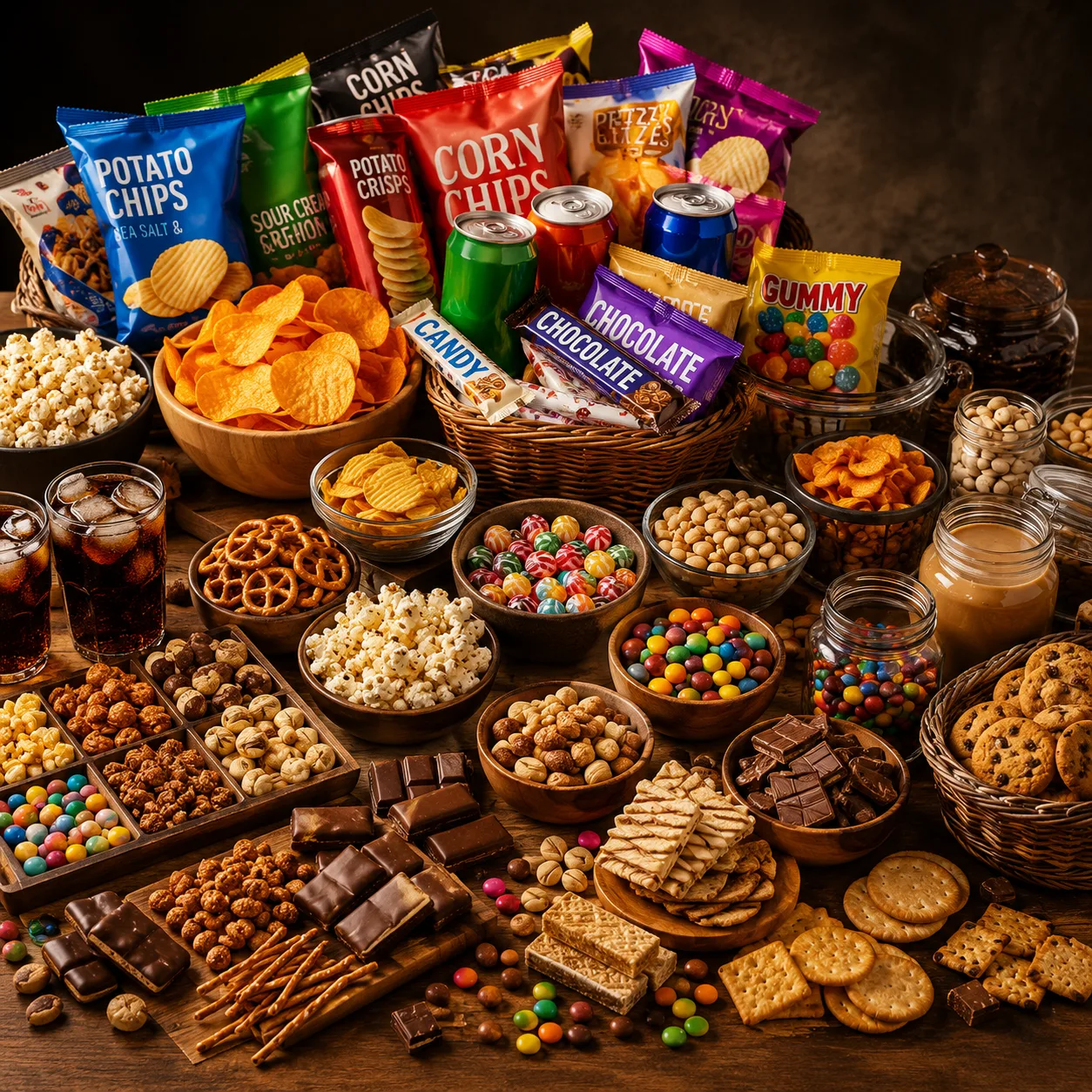
Snacks & Confectionery: Indulgence Redefined for Modern Appetites

There's a moment in every consumer's day when willpower weakens — a craving emerges, and a snack or candy bar fills it. For decades, that moment was predictable: sugar, fat, calories, satisfaction. No complexity, no pretense. Then consumer expectations shifted. Health consciousness crept into categories once defined purely by indulgence. Sustainability concerns reshaped sourcing practices. Functional ingredients began appearing in confectionery aisles alongside traditional sweets. Suddenly, snacks and confectionery transformed from simple indulgence into a category where taste, nutrition, ethics, and innovation collide.

Today's snacking market reflects this collision in real time. Traditional candy manufacturers compete against premium artisanal brands emphasizing heritage and authenticity. Health-conscious consumers demand protein-enriched bars, naturally sweetened options, and transparent ingredient lists. Parents increasingly scrutinize children's snacks, driving demand for "better-for-you" alternatives. Global palates expect ethnic snacks and international flavors alongside conventional offerings. Sustainability becomes table stakes — consumers increasingly care about packaging, ingredient sourcing, and production practices.

For food manufacturers, processors, and retailers, sourcing in this category demands agility. Trend cycles accelerate relentlessly. Consumer preferences fragment across health, indulgence, sustainability, and convenience. Supply chain disruptions for specialty ingredients — from exotic fruits to sustainable sweeteners — directly impact product development timelines and competitive positioning.

This category connects ingredient suppliers, confectionery manufacturers, and snack producers with buyers navigating a market where indulgence is no longer enough — excellence demands understanding nutrition, sustainability, and the evolving definition of what "snacking" means to consumers who want satisfaction without compromise.

Discover innovative suppliers. Compare ingredient options. Create snacks that satisfy modern appetites.

FROZEN FOODS

FROZEN FOODS

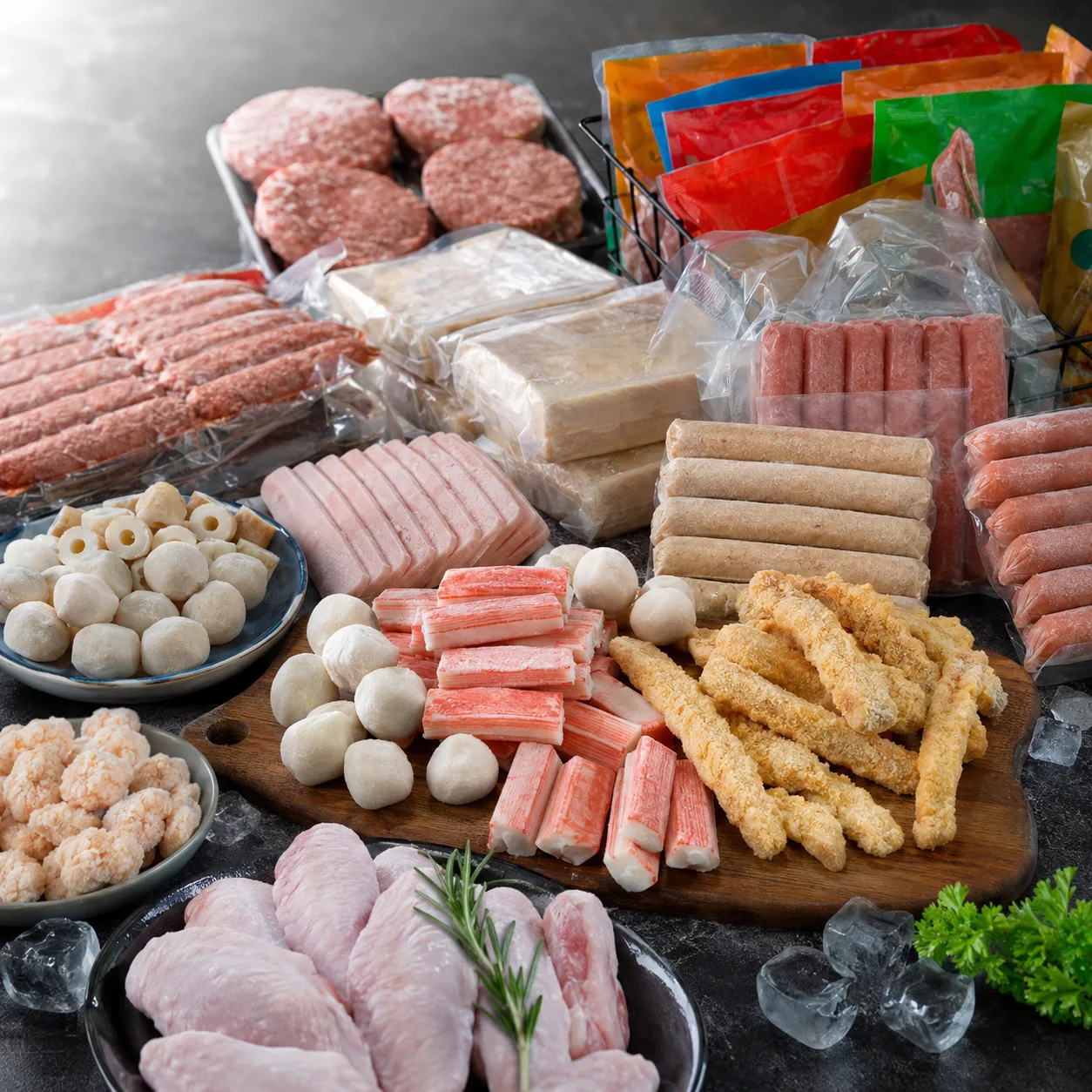
Frozen Foods: Quality Preserved, Excellence Delivered

There was once a stigma attached to frozen. Fresh was superior, frozen was compromise — what you bought when fresh wasn't available, a convenience trade-off that sacrificed quality for convenience. That narrative has collapsed entirely. Modern freezing technology preserves nutrients better than many "fresh" supply chains that transport food thousands of kilometers and sit in warehouses for weeks. Flash-frozen vegetables retain more vitamins than fresh produce that's traveled for days. The category that once represented compromise now represents precision.

Today's frozen food market operates under entirely different premises. Quality expectations have risen sharply — consumers expect frozen products to taste indistinguishable from fresh-prepared alternatives. Sustainability concerns reshape sourcing practices and packaging choices. Health consciousness drives demand for cleaner ingredient lists, reduced sodium, and nutritional transparency. Supply chain efficiency matters intensely — frozen foods enable producers to capture ingredients at peak quality, process at scale, and distribute globally with minimal waste.

For food manufacturers, processors, and retailers, frozen foods represent strategic opportunity. They enable year-round availability of seasonal products. They reduce food waste through extended shelf life. They compress supply chains by freezing at origin, eliminating complex logistics. They capture ingredient quality at optimal harvest moments, then preserve that quality indefinitely.

The category connects ingredient suppliers, processors, and logistics providers with buyers who understand that frozen isn't compromise — it's strategy. Modern consumers increasingly choose frozen not from necessity but from preference, recognizing quality, convenience, and sustainability aligned in a single choice.

This space rewards suppliers who combine flash-freezing excellence, ingredient sourcing expertise, and packaging innovation with supply chain reliability that ensures products arrive at retailers in perfect condition.

Discover quality suppliers. Compare freezing technologies. Source frozen products that rival fresh.

CANNED & JARRED FOODS

CANNED & JARRED FOODS

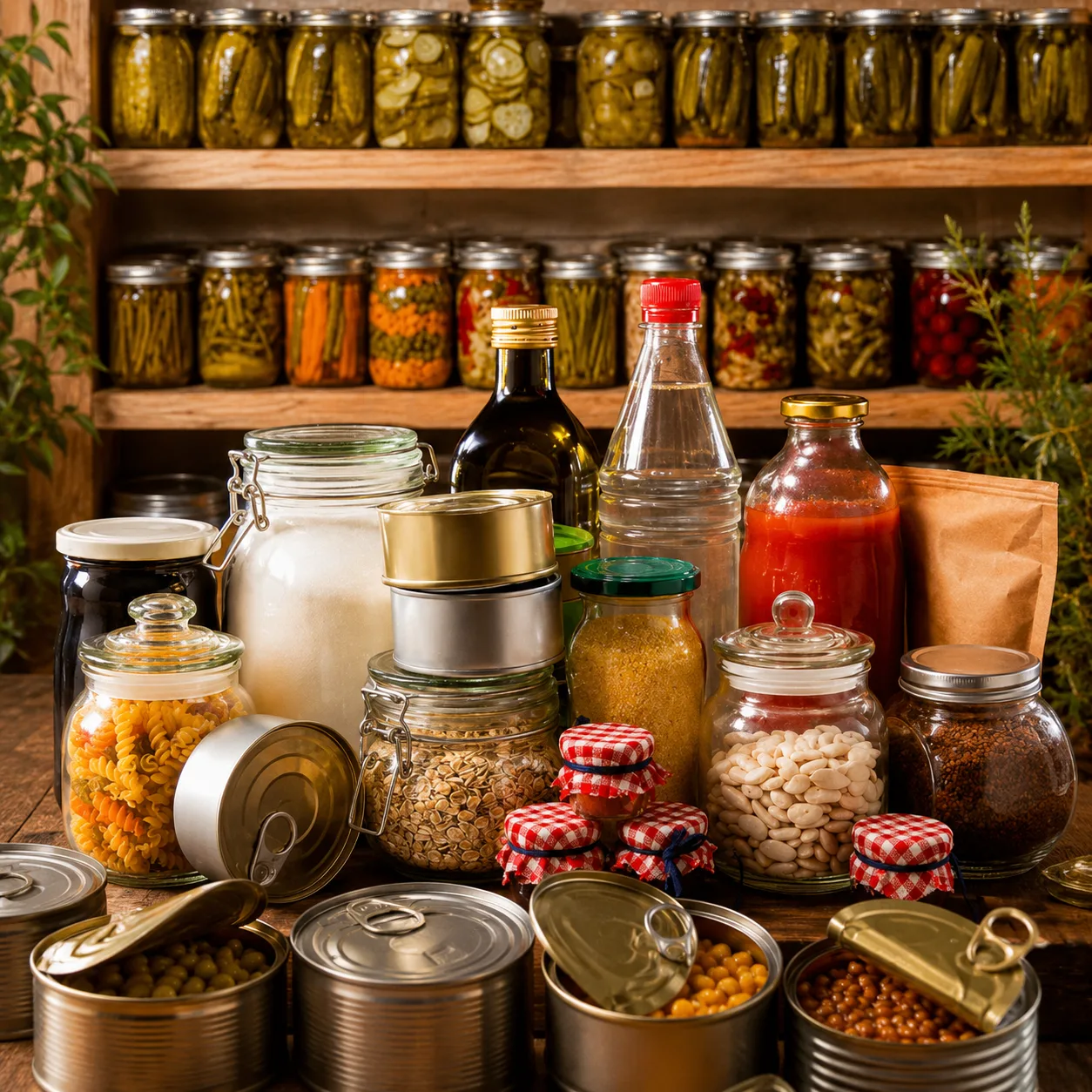
Canned & Jarred Foods: Heritage Meets Modern Supply Chain Innovation

Before refrigeration reshaped the world, canning was survival technology — a way to preserve seasonal abundance through seasons of scarcity. Fruits, vegetables, fish, meat — captured at peak ripeness or freshness, sealed in glass or metal, and stored indefinitely. That fundamental innovation sustained civilizations through winters and enabled trade across continents. Today, canning remains largely unchanged in principle, but everything around it has transformed entirely.

Modern canned and jarred foods operate at the intersection of tradition and innovation. Heritage recipes and authentic flavors command premium prices from consumers seeking quality and authenticity. Industrial scale and supply chain efficiency enable affordable nutrition for billions. Sustainability concerns reshape both sourcing and packaging practices. Health consciousness drives demand for reduced sodium, cleaner ingredient lists, and transparency about processing methods. Global trade means a consumer in one continent can access authentic products from another, creating market opportunities for specialty producers while intensifying competition for commodity products.

For food manufacturers, processors, and exporters, canned and jarred products represent strategic advantage. They extend shelf life dramatically, reducing waste and enabling year-round distribution. They capture ingredients at optimal ripeness, preserving quality through processing. They compress supply chains by processing near origin, eliminating complex cold-chain logistics. They enable small-scale artisans to compete nationally and internationally.

For retailers and food service operators, sourcing in this category demands precision. A single batch of contaminated product creates liability cascading across supply chains. Flavor inconsistency damages brand loyalty. Supply disruptions for specialty ingredients halt product availability.

This category connects producers, processors, and ingredient suppliers with buyers who understand canning isn't history — it's modern supply chain strategy wrapped in heritage tradition.

Discover quality suppliers. Compare preservation methods. Source canned excellence that bridges tradition and innovation.

BEVERAGES

BEVERAGES

Beverages: The Category That Defines Daily Ritual and Market Transformation

A beverage is never just a drink. It's a morning ritual that launches a billion days. It's a social moment marking celebration or commiseration. It's the first thing a consumer reaches for upon waking, the last thing consumed before sleep. Because beverages are so intimately woven into daily life, the category that produces them wields extraordinary influence — shaping preferences, driving habits, and generating loyalty that spans decades.

The global beverages market reflects this reality in constant transformation. Traditional soft drinks compete against functional beverages promising health benefits. Coffee and tea categories fragment into artisanal, specialty, and premium segments where provenance and processing methods command premium pricing. Sports drinks and energy beverages evolve constantly, chasing consumer perception of what "performance" means. Plant-based alternatives disrupt established categories. Sustainability concerns reshape packaging practices and sourcing decisions. Health consciousness drives demand for reduced sugar, natural ingredients, and transparency about nutritional content that yesterday's products never provided.

For beverage manufacturers, processors, and distributors, sourcing becomes strategically critical. A single contamination incident cascades globally. Flavor inconsistency damages brand loyalty accumulated across years. Supply disruptions for specialty ingredients — from exotic fruits to functional compounds — derail product development timelines. Regulatory compliance varies dramatically across markets, complicating international expansion.

This category connects ingredient suppliers, processors, and packaging providers with buyers navigating a market where consumer preferences accelerate, competition intensifies, and excellence in every dimension — from ingredient quality to supply chain reliability — becomes non-negotiable.

This space rewards suppliers who combine ingredient expertise, processing innovation, and regulatory knowledge with the agility to serve both mass-market volume and premium specialty segments simultaneously.

Discover quality suppliers. Compare ingredient certifications. Source beverages that define modern consumption.

BAKING & INGREDIENTS

BAKING & INGREDIENTS

Baking & Ingredients: Where Precision Becomes Flavor, Science Becomes Art

Baking is unforgiving. A fraction too much salt ruins a loaf. Flour with inconsistent protein content produces unpredictable rise and texture. Water temperature off by a few degrees changes fermentation timing. Yeast viability drifts imperceptibly until suddenly a batch fails to rise. This is why bakers — whether they're artisanal craftspeople or industrial producers — depend absolutely on ingredient consistency that doesn't waver. A baker's reputation, product quality, and entire operation stands on the reliability of suppliers most consumers never consider.

The baking and ingredients category has undergone profound transformation. Traditional flour mills compete against specialty millers offering heritage grains, whole-grain alternatives, and functional additions. Yeast producers innovate constantly, developing strains optimized for specific fermentation profiles. Ingredient suppliers introduce clean-label options, natural colorants, and functional compounds responding to health consciousness. Sustainability concerns reshape sourcing practices and packaging choices. Simultaneously, industrial-scale bakeries demand consistency that only sophisticated supply chains can deliver, while artisanal bakers seek rare, heritage ingredients that command premium pricing.

For bakeries, food manufacturers, and food service operators, sourcing in this category demands precision. Ingredient variability compounds through production — small inconsistencies become magnified in finished products. Supply disruptions halt production. Quality lapses damage reputation accumulated across years.

This category connects flour millers, yeast producers, and ingredient specialists with buyers who understand that baking excellence isn't luck — it's built on ingredient reliability, technical expertise, and supplier partnerships that prioritize consistency above all.

This space rewards suppliers who combine technical knowledge, quality consistency, and supply chain reliability with the flexibility to serve artisanal craftspeople and industrial operators simultaneously.

Discover quality suppliers. Compare ingredient specifications. Source the precision that defines bakery excellence.

SPECIALTY & FUNCTIONAL FOODS

SPECIALTY & FUNCTIONAL FOODS

Specialty & Functional Foods: Beyond Nutrition Into Intentional Health

A generation ago, food had a simple job: provide calories and basic nutrition. Modern consumers have rewritten that job description entirely. They want food that addresses specific health concerns — joint support, digestive wellness, cognitive function, immune resilience. They seek ingredients with ancestral provenance — superfoods from remote regions, ancient grains rediscovered, traditional herbs validated by modern science. They demand transparency about sourcing, processing, and efficacy claims. Suddenly, food became medicine, prevention, and intentional health optimization simultaneously.

The specialty and functional foods category represents this consciousness shift made tangible. Collagen supplements promising skin elasticity. Adaptogens claiming stress resilience. Probiotics supporting digestive health. Mushroom powders offering cognitive enhancement. Superfoods sourced from specific regions, processed with meticulous care, and priced at premiums that reflect their perceived value. This category moves beyond feeding people — it addresses their aspirations for health, longevity, and optimization.

For food manufacturers, retailers, and distributors, sourcing in this category demands scientific rigor alongside business acumen. Consumer trends accelerate relentlessly — yesterday's superfood becomes today's commodity becomes tomorrow's forgotten trend. Regulatory requirements intensify constantly, with health claims requiring substantiation that regulators scrutinize increasingly. Supply chains for specialty ingredients remain fragile, vulnerable to weather disruptions and geopolitical shifts. Quality consistency determines whether products deliver on promises or disappoint consumers who invested premium prices expecting premium results.

This category connects ingredient innovators, specialty producers, and scientifically-grounded suppliers with buyers building product portfolios that respond to how modern consumers think about health — not as baseline nutrition, but as intentional, targeted optimization.

Discover verified suppliers. Compare efficacy claims. Source ingredients that transform products into health solutions.

REGIONAL & ETHNIC FOODS

REGIONAL & ETHNIC FOODS

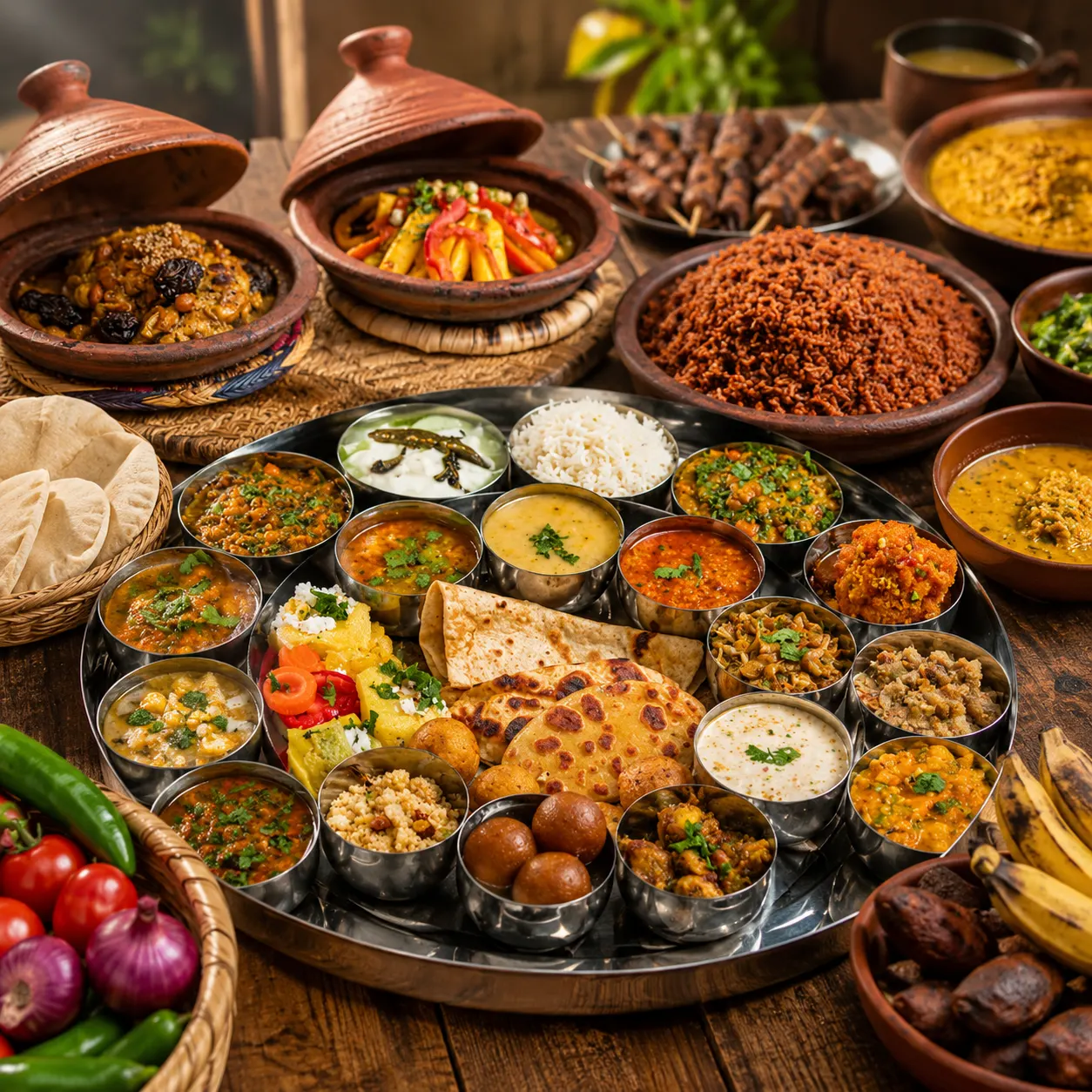
Regional & Ethnic Foods: Authenticity as Competitive Advantage

A diaspora community craves the flavors of home — the spices, textures, and tastes that defined childhood meals thousands of kilometers away. A mainstream consumer discovers a cuisine and becomes passionate about exploring it authentically rather than accepting adapted approximations. A chef sources ingredients from specific regions, understanding that authenticity isn't pretense but the foundation of culinary excellence. Suddenly, regional and ethnic foods transform from niche categories into mainstream market segments where authenticity, provenance, and genuine flavor become currency.

The regional and ethnic foods category thrives on authenticity that cannot be faked. A consumer who grew up eating Indian food recognizes immediately when cumin is stale or turmeric lacks vibrancy. A customer familiar with Southeast Asian cuisine detects instantly when fish sauce is inauthentic or chili peppers lack proper heat. This unforgiving standard means suppliers cannot cut corners — they cannot substitute, approximate, or compromise. Authenticity demands that every ingredient meet exacting standards that reflect not just quality but cultural specificity.

For importers, distributors, and retailers, sourcing in this category requires cultural expertise alongside business acumen. Navigating tariffs and import regulations across dozens of source countries. Managing supply chains for seasonal or regionally-specific ingredients. Working with small-scale producers in origin countries who may lack standardized quality documentation. Building relationships with diaspora communities who serve as both customers and authenticators, validating whether products genuinely represent their regional origins.

This category connects specialty producers, regional ingredient suppliers, and import experts with buyers who understand that regional and ethnic foods succeed through authenticity — not marketing spin, but genuine representation of culinary traditions spanning centuries.

Discover authentic suppliers. Compare regional credentials. Source foods that honor culinary heritage.

Explore more categories

Start a request for quotes - Easy and 100% free.

  • Present your request to all verified suppliers in your industry
  • Top relevant suppliers will be notified by us