
CANNED & JARRED FOODS
CANNED & JARRED FOODS
Canned & Jarred Foods: Heritage Meets Modern Supply Chain Innovation
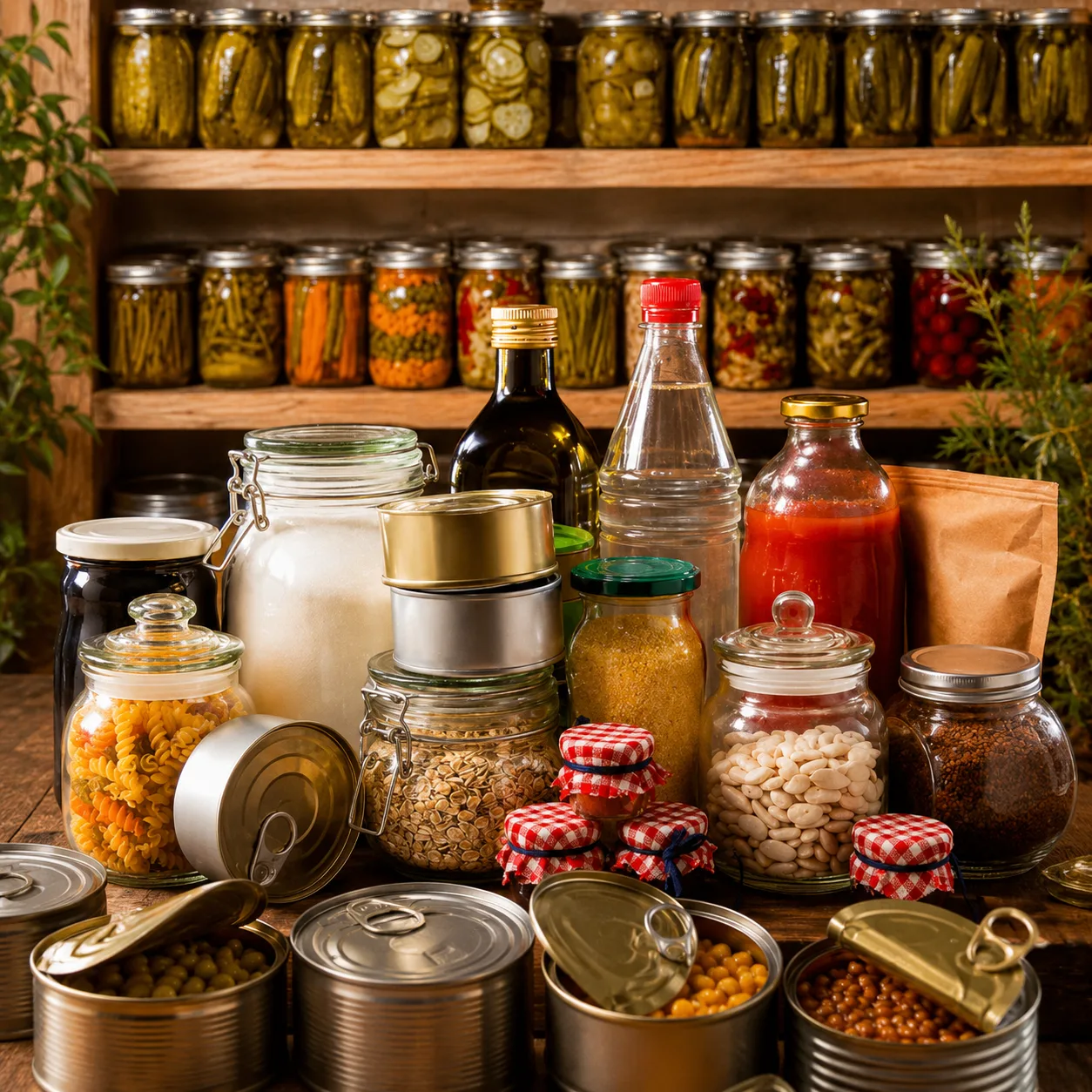
Before refrigeration reshaped the world, canning was survival technology — a way to preserve seasonal abundance through seasons of scarcity. Fruits, vegetables, fish, meat — captured at peak ripeness or freshness, sealed in glass or metal, and stored indefinitely. That fundamental innovation sustained civilizations through winters and enabled trade across continents. Today, canning remains largely unchanged in principle, but everything around it has transformed entirely.
Modern canned and jarred foods operate at the intersection of tradition and innovation. Heritage recipes and authentic flavors command premium prices from consumers seeking quality and authenticity. Industrial scale and supply chain efficiency enable affordable nutrition for billions. Sustainability concerns reshape both sourcing and packaging practices. Health consciousness drives demand for reduced sodium, cleaner ingredient lists, and transparency about processing methods. Global trade means a consumer in one continent can access authentic products from another, creating market opportunities for specialty producers while intensifying competition for commodity products.
For food manufacturers, processors, and exporters, canned and jarred products represent strategic advantage. They extend shelf life dramatically, reducing waste and enabling year-round distribution. They capture ingredients at optimal ripeness, preserving quality through processing. They compress supply chains by processing near origin, eliminating complex cold-chain logistics. They enable small-scale artisans to compete nationally and internationally.
For retailers and food service operators, sourcing in this category demands precision. A single batch of contaminated product creates liability cascading across supply chains. Flavor inconsistency damages brand loyalty. Supply disruptions for specialty ingredients halt product availability.
This category connects producers, processors, and ingredient suppliers with buyers who understand canning isn't history — it's modern supply chain strategy wrapped in heritage tradition.
Discover quality suppliers. Compare preservation methods. Source canned excellence that bridges tradition and innovation.