AGRICULTURAL DRONES AND ROBOTS

AGRICULTURAL DRONES AND ROBOTS
“Where traditional farming meets intelligent innovation.”
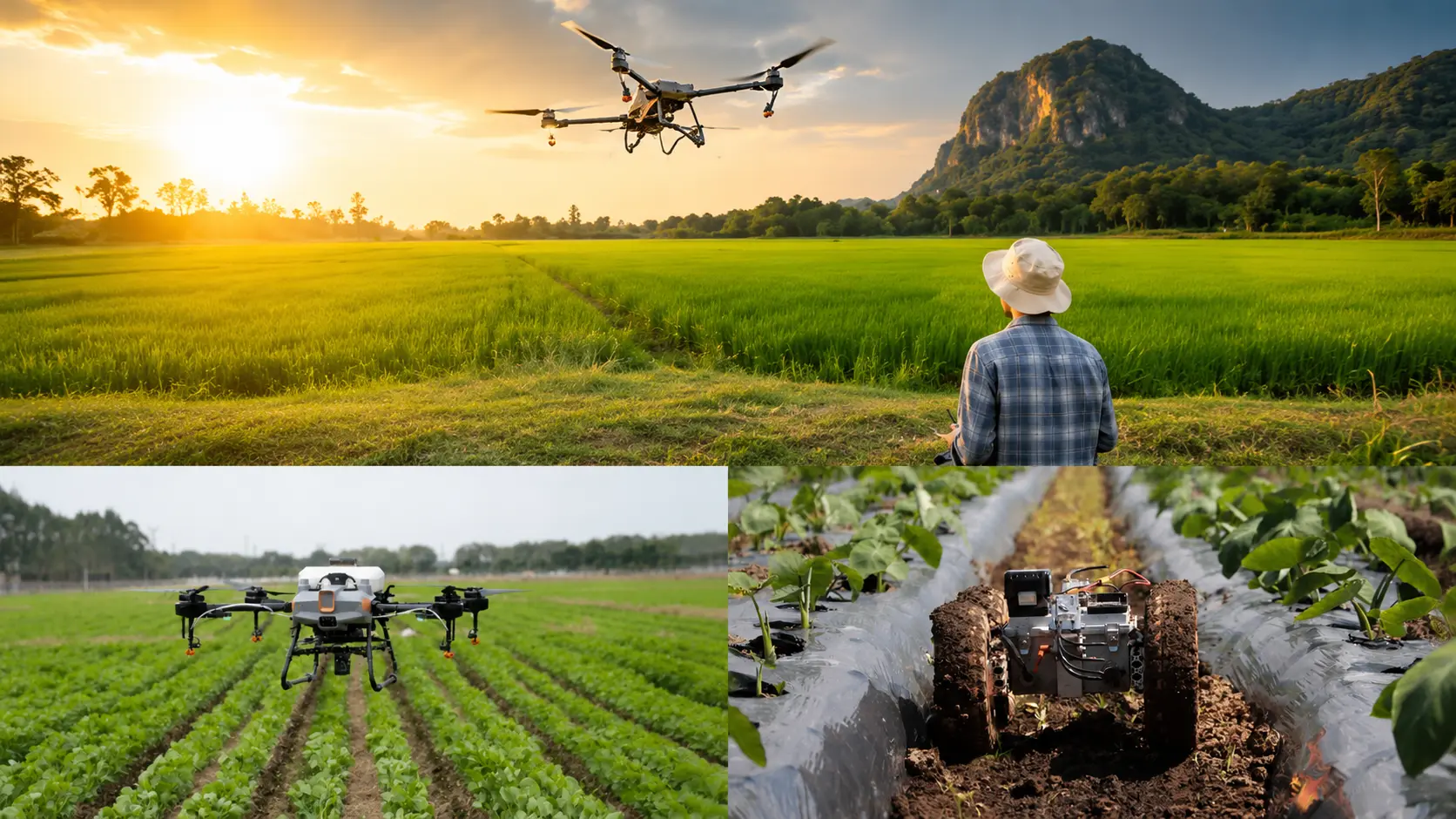
Seeds and soil meet modern technology through drones and robotics that monitor crops, spray precisely, and improve yields responsibly.
This segment blends heritage farming knowledge with smart tools that reduce waste and protect resources.
Innovators and seed keepers alike work toward feeding the future with care and science.
Global Source Expo connects these solutions to markets embracing sustainable, smart agriculture.
From the first saved seeds to smart fields, agriculture has always evolved to sustain humanity
Popular subcategories under AGRICULTURAL DRONES AND ROBOTS

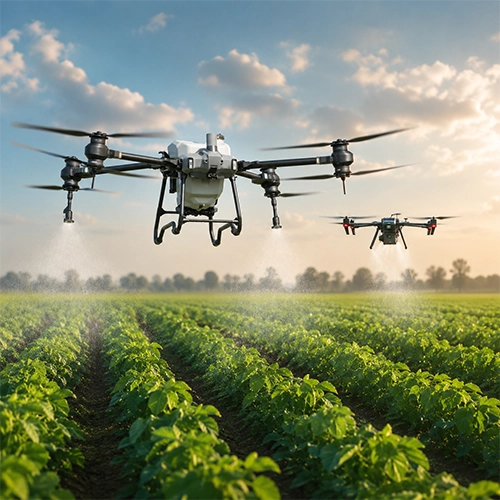
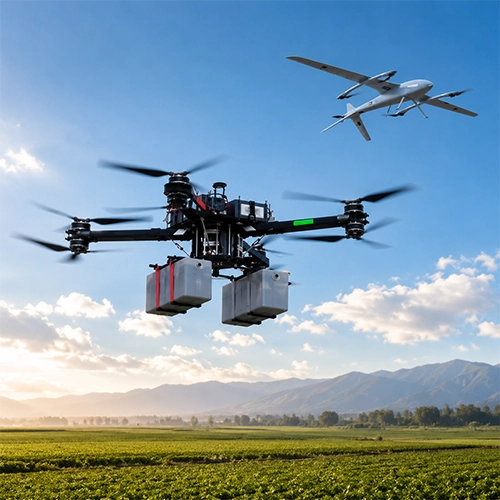
CROP SPRAYING DRONES
Crop Spraying Drones: Where Precision Meets the Open Sky
There was a time when farmers watched the horizon and gauged their fields by instinct — walking rows, judging weather, praying the wind wouldn't carry chemicals where they shouldn't go. Today, that horizon looks different. It hums with the quiet buzz of rotors, carrying not just technology, but a promise: that every drop counts.
Crop spraying drones have rewritten the rules of modern agriculture. What once took a full day of manual labor, uneven coverage, and no small amount of physical risk, now takes minutes — with millimeter-level accuracy that manual sprayers could never match. These aren't just machines; they're a farmer's new set of eyes and hands, capable of navigating uneven terrain, targeting specific zones, and adjusting spray volume in real time based on crop health data.
For agribusinesses and agri-input suppliers, this category represents more than equipment — it represents a shift in how the world feeds itself. Buyers here aren't just comparing payload capacities or battery life; they're investing in reduced chemical wastage, safer working conditions, and yields that respond to smarter, cleaner farming.
From compact drones suited for smallholder plots to heavy-lift models built for sprawling commercial farms, this category connects manufacturers and suppliers with the growers, cooperatives, and agri-enterprises driving agriculture's next chapter.
Because the future of farming isn't about working harder under an unpredictable sky — it's about working smarter, one precise flight path at a time.
Explore verified suppliers. Compare specifications. Equip your fields for what's next.

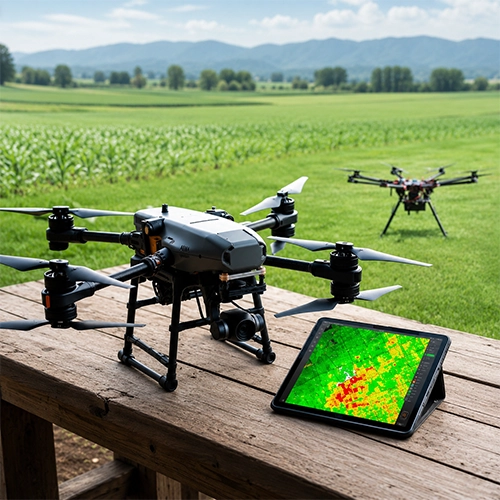
CROP MONITORING & MAPPING DRONES
Crop Monitoring & Mapping Drones: Turning Fields Into Data, and Data Into Decisions
Every field tells a story — but until recently, farmers could only read the surface of it. A patch of stunted growth here, an odd discoloration there, clues scattered across acres too vast to walk end to end. By the time problems became visible to the naked eye, the damage was often already done.
Crop monitoring and mapping drones changed that story entirely. Flying silently above the canopy, these aircraft capture what human eyes simply cannot: multispectral imagery revealing plant stress before it shows, thermal signatures exposing irrigation gaps, and high-resolution maps charting soil variation across entire farms in a single flight. What once required weeks of manual scouting now happens in hours — with a level of detail that transforms guesswork into precision agronomy.
For agribusinesses, agri-tech providers, and large-scale growers, this category isn't just about hardware. It's about intelligence — the kind that helps a farm manager decide exactly where to irrigate, which zones need nutrients, and how a season is truly progressing, long before harvest reveals the answer.
From lightweight drones built for routine scouting to advanced mapping systems generating NDVI and yield-prediction data, this space bridges the gap between raw imagery and real agronomic action — empowering everyone from independent growers to enterprise agribusinesses to make decisions rooted in evidence, not estimation.
Because the best farming decisions aren't made in hindsight. They're made from above, in real time.
Discover trusted manufacturers. Compare imaging capabilities. See your fields like never before.

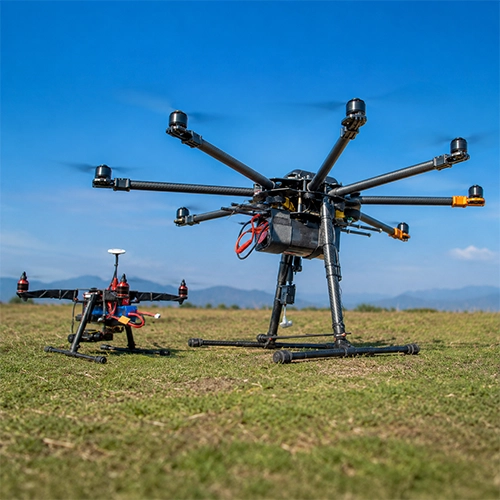
ROTARY WING DRONES (MULTI-ROTOR)
Rotary Wing Drones (Multi-Rotor): Agility in the Air, Precision on the Ground
Not every job needs a wide, sweeping flight path. Sometimes what's needed is the ability to hover exactly where you are, turn on a dime, and get impossibly close to the details that matter — a cracked rooftop beam, a narrow row between greenhouse benches, a power line snaking through difficult terrain. This is where multi-rotor drones earn their reputation as the most versatile aircraft in the sky.
Built with four, six, or eight rotors working in perfect coordination, these drones don't need a runway or forward momentum to fly. They rise straight up, hold position with remarkable stability even in shifting winds, and maneuver through tight, complex spaces that fixed-wing aircraft could never navigate. That agility has made them indispensable far beyond agriculture — powering inspections in construction and energy, precision mapping in surveying, public safety response, and yes, targeted spraying and monitoring across smaller or irregular fields.
For B2B buyers, the appeal lies in adaptability. A single multi-rotor platform can be reconfigured with different payloads — cameras, sensors, sprayers — making it a practical investment across multiple use cases rather than a single-purpose tool. Add in relatively simple piloting, lower upfront costs compared to fixed-wing systems, and reliable performance in confined environments, and it's easy to see why multi-rotor drones remain the entry point for countless industries stepping into aerial technology.
This category connects manufacturers and suppliers with businesses that need control as much as they need altitude — because sometimes, precision matters more than speed.
Compare configurations. Evaluate payload options. Find the multi-rotor drone built for your operation.

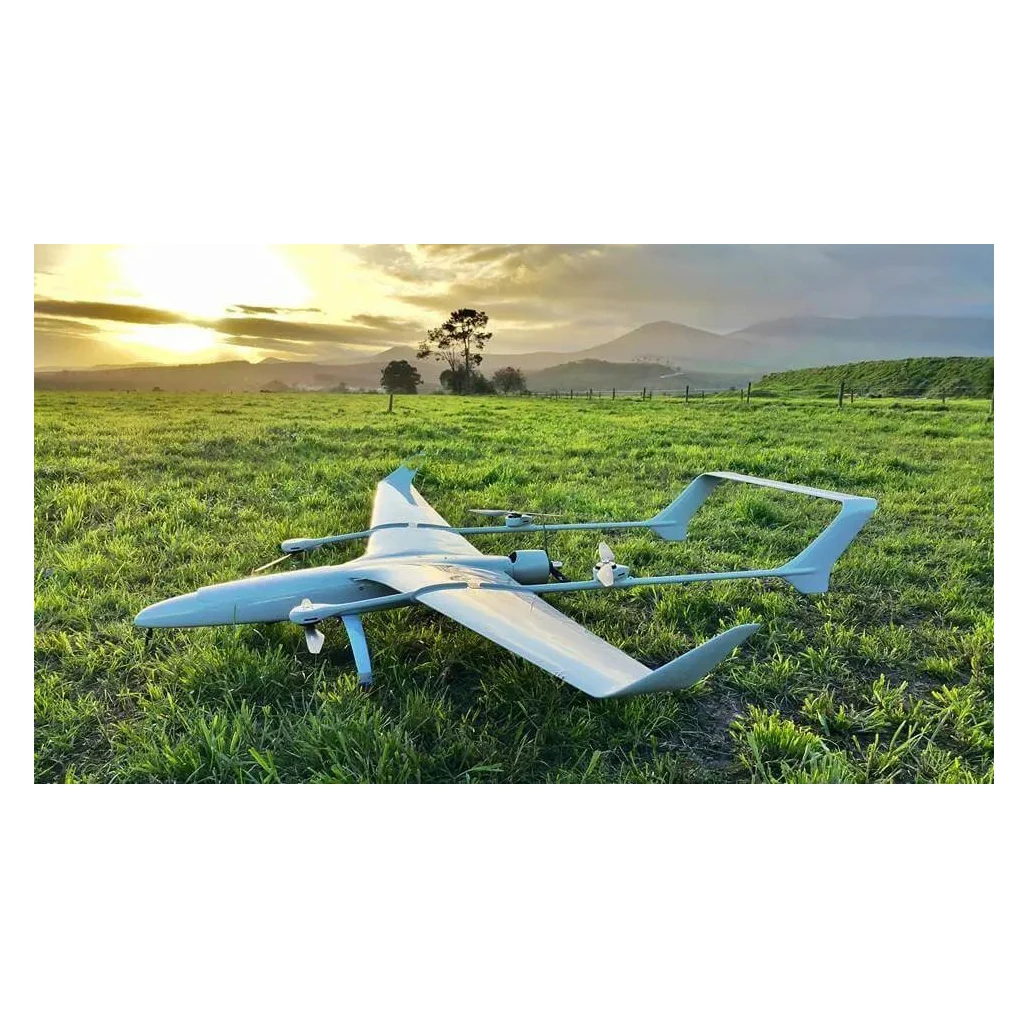
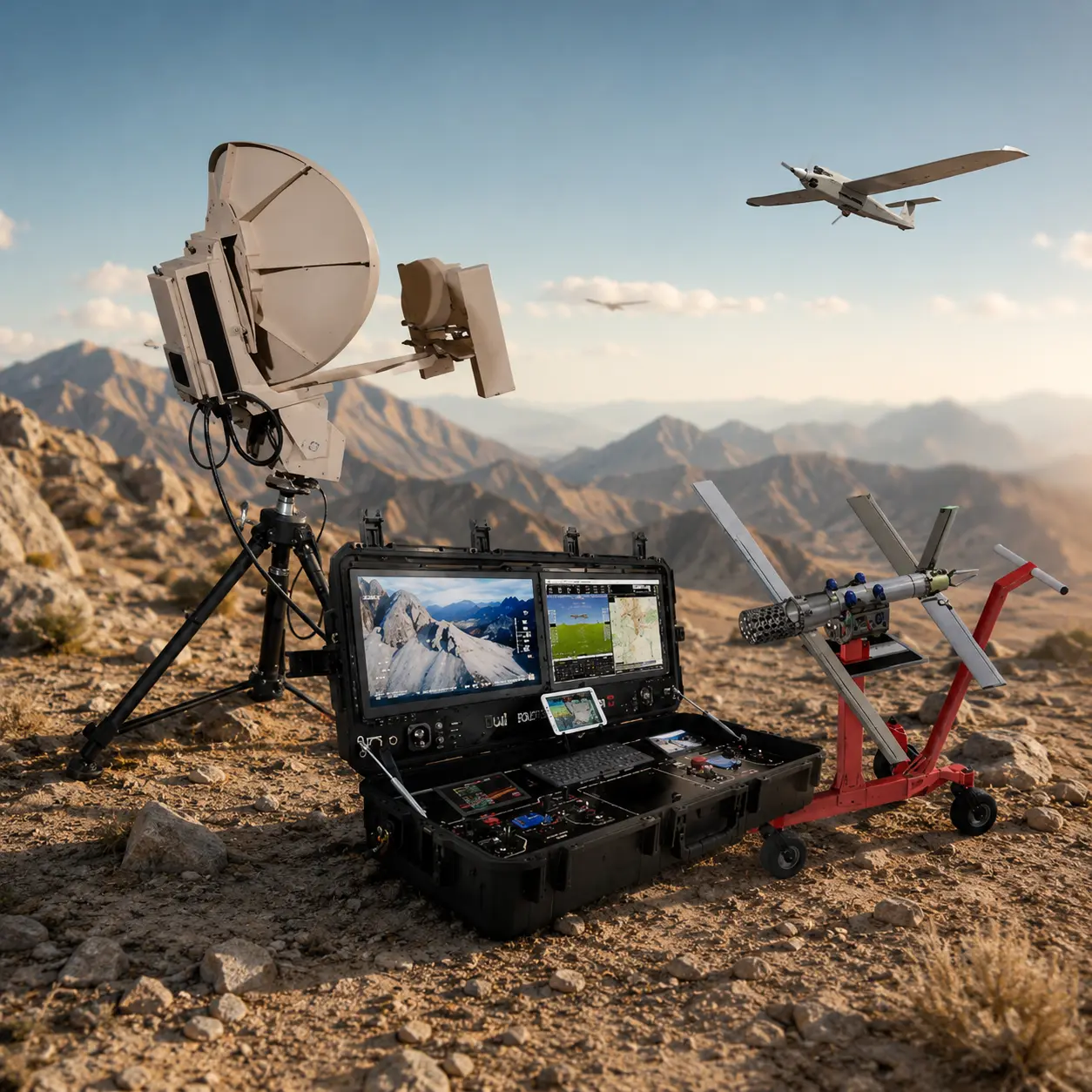
FIXED WING DRONES
Fixed Wing Drones: Built for Distance, Engineered for Endurance
There's a certain kind of job that doesn't ask for agility — it asks for range. Thousands of acres to survey in a single pass. A pipeline stretching beyond the horizon. A coastline too vast for any rotor-powered aircraft to cover before its battery runs thin. For missions like these, the answer has always come down to a simple principle borrowed from aviation's earliest days: a fixed wing generates lift more efficiently than spinning rotors ever could.
Shaped like miniature aircraft, fixed wing drones don't hover — they glide, covering ground at higher speeds and for far longer durations than their multi-rotor counterparts. What that translates to on the ground is efficiency at scale: a single flight capable of mapping an entire farm, surveying a mining site, or inspecting miles of infrastructure in the time it would take a multi-rotor drone to cover a fraction of the same area.
For B2B buyers in agriculture, surveying, mining, and large-scale infrastructure, this category represents a calculated trade-off — sacrificing the ability to hover in exchange for endurance, range, and operational efficiency that pays off precisely when the terrain is too vast for shortcuts. These aren't drones for tight spaces or close inspection; they're built for the big picture, quite literally, capturing continuous, wide-area data with fewer flights, fewer batteries, and far less time in the field.
This space brings together manufacturers and enterprises that measure their operations not in square meters, but in square kilometers — where every extra minute of flight time translates directly into ground covered and cost saved.
Explore endurance specifications. Compare flight ranges. Find the fixed wing drone built for the scale of your operation.

SEEDING & SPREADING DRONES
Seeding & Spreading Drones: Planting the Future, One Precise Drop at a Time
For centuries, sowing seed was an art — a farmer walking rows with practiced rhythm, fingers opening and closing, trusting experience and hoping for even distribution. Then came tractors and broadcasters, which were faster but notoriously uneven. Dense patches here, sparse gaps there. Waste and unevenness baked into every harvest before the first leaf even emerged.
Seeding and spreading drones approach the problem from first principles: if you can control exactly where every seed lands, and exactly how much of any material is dispersed, then waste disappears, density becomes predictable, and results compound across seasons.
These specialized aircraft carry hoppers instead of sprayers, equipped with precision spreading mechanisms that release seeds, fertilizers, compost, or remediation agents with remarkable accuracy. Farmers working hundreds or thousands of acres can now overseed damaged areas, apply targeted amendments to problem zones, and execute large-scale seeding operations in a fraction of the time traditional methods demand — with consistency that no human hand can match.
For agribusinesses, contractors, and large-scale growers, the value proposition is compelling: reduced seed waste, improved stand establishment, faster field preparation, and the ability to work on tight windows when conditions are right. Whether it's hydroseeding steep slopes, precision nutrient placement in vineyards, or full-field seeding in preparation for the next crop cycle, this category opens operational possibilities that were simply impractical before.
This space connects equipment manufacturers and specialized service providers with enterprises that understand a simple truth: the cost of planting right the first time is always cheaper than replanting wrong.
Discover spreading solutions. Compare precision capabilities. Plant smarter, not harder.

DRONE PAYLOAD SYSTEMS
Drone Payload Systems: The Engine of Possibility
A drone without a payload is just an aircraft — impressive engineering, but purposeless. The true power emerges the moment you attach what matters: a multispectral camera that reveals crop stress invisible to the human eye, a precision sprayer calibrated to micrograms, a thermal sensor detecting equipment failures before they cascade into catastrophe. The payload isn't just equipment; it's the translation between raw aerial capability and real-world impact.
Drone payload systems are where versatility meets specialization. A single airframe becomes a crop monitor, then a sprayer, then a surveying platform — each transformation powered by modular systems designed to swap quickly, integrate seamlessly, and perform with the precision that separates professional-grade operations from hobbyist experiments. These aren't afterthoughts bolted onto generic drones; they're engineered ecosystems encompassing cameras, sensors, dispensers, gimbal systems, and integration software that work in concert.
For B2B buyers — whether they're manufacturers building custom platforms, service providers diversifying their offerings, or enterprises optimizing existing drone fleets — the payload category represents the frontier of capability expansion. A better camera means better data. A calibrated spreader means less waste. Advanced sensors mean decisions rooted in evidence rather than guesswork.
This is where innovation accelerates. Manufacturers of specialized payloads drive the entire industry forward, enabling drones to tackle challenges their original designers never imagined. It's the difference between a tool with potential and a tool that actually transforms how work gets done.
This category connects payload specialists with the operators and integrators ready to unlock the full promise of their aircraft.
Explore payload innovations. Compare integration options. Transform your drone into the tool your mission demands.

SPRAY SYSTEM COMPONENTS
Spray System Components: Where Precision Begins
A drone hovering perfectly above a field, carrying a full tank and flying the ideal flight path — none of it matters if the nozzle doesn't deliver. A single clogged filter, a pressure regulator drifting out of spec, a worn pump struggling to maintain flow — these invisible failures can render an entire operation ineffective, wasting chemicals, missing targets, and squandering the efficiency gains that aerial spraying promised in the first place.
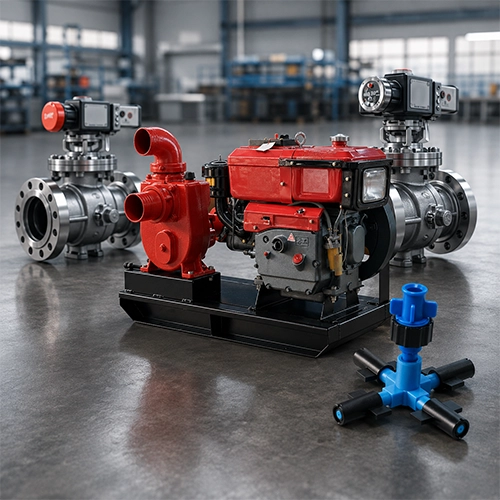
This is why spray system components occupy a category all their own. They're the unglamorous infrastructure that separates professional operations from amateur attempts: precision nozzles engineered to atomize liquids into perfectly calibrated droplet sizes; diaphragm pumps built to maintain steady pressure across uneven terrain; solenoid valves that activate and shut off in milliseconds; filters that keep debris from compromising every downstream component; pressure regulators that adapt to changing conditions without manual adjustment.
For operators and integrators, these components are non-negotiable investments. A quality nozzle extends spray range, improves coverage uniformity, and reduces chemical waste — savings that compound across hundreds of hectares. A reliable pump means fewer field shutdowns and maintenance headaches. Proper filtration protects expensive equipment and ensures consistent performance season after season.
For manufacturers and suppliers serving the drone and ground-spray industries, this category represents a cornerstone market — the foundation upon which reputation and reliability are built. Buyers here understand that spray system excellence cascades from component quality, not from aircraft horsepower alone.
This space connects specialized component manufacturers with operators who know that true precision is built from the inside out.
Compare nozzle specifications. Evaluate pump reliability. Discover components that transform spray systems into precision instruments.

BATTERIES & POWER
Drone Batteries & Power: The Heartbeat of Every Mission
Every ambitious flight plan eventually meets the same hard constraint: the battery depletes. In those final minutes before landing, as voltage edges toward critical thresholds, every operator faces a truth that no amount of engineering can escape — flight time is finite, and everything you wanted to accomplish must fit within that window.
This friction has driven an entire industry toward a singular obsession: more energy density, faster charging, longer cycles, and greater reliability. Because in professional drone operations, battery performance isn't a specification — it's the boundary of possibility itself.
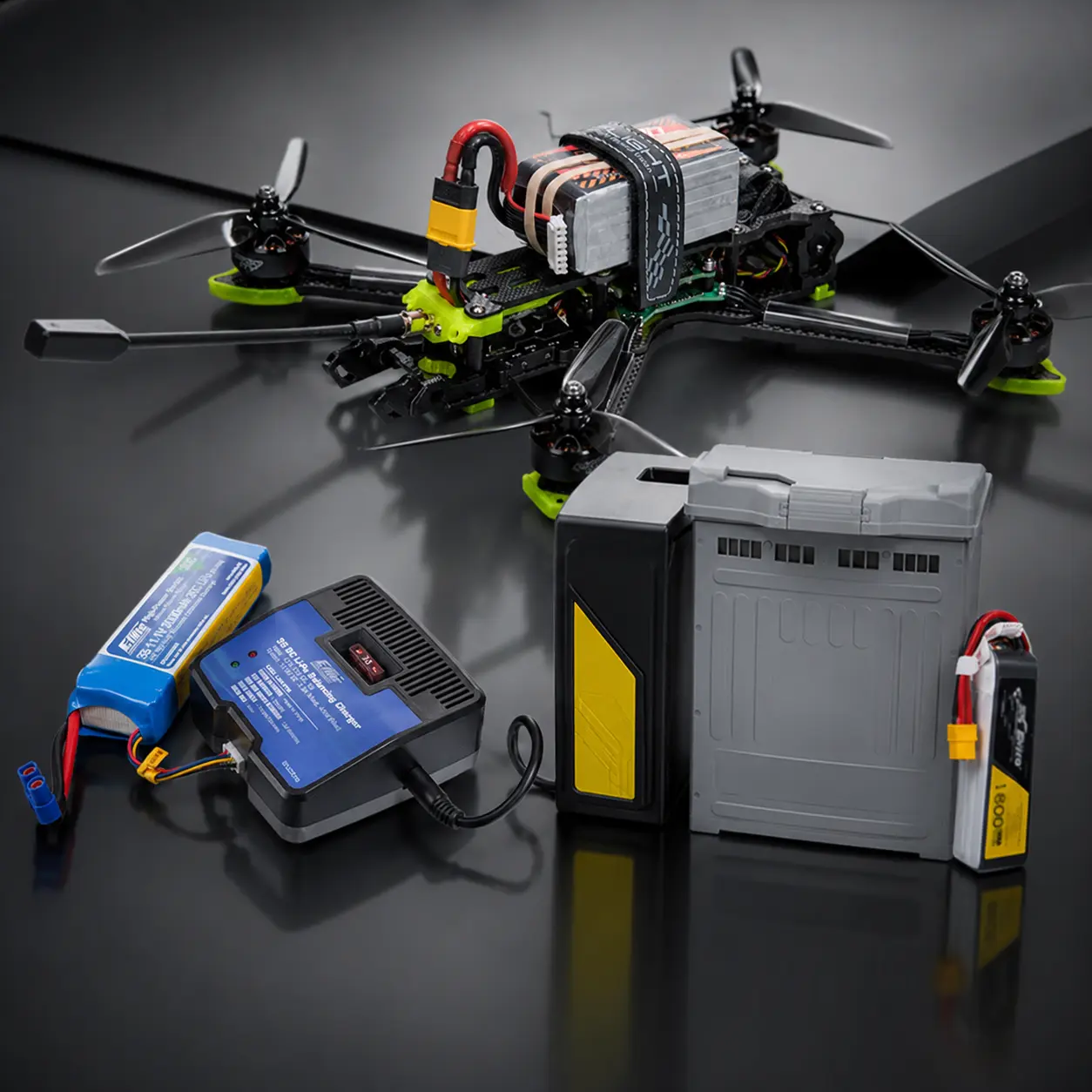
Modern drone batteries bear little resemblance to generic consumer power packs. They're engineered ecosystems balancing lithium chemistry, thermal management, cell balancing circuits, and discharge curves optimized for the specific demands of aerial work. A crop-spraying operation needs sustained power delivery across an entire tank dispersal. A mapping mission demands consistent voltage to maintain stable flight while gathering sensor data. An industrial inspection requires battery resilience in temperature extremes that would cripple ordinary cells.
For operators, fleet managers, and service providers, battery investment represents a direct calculation: longer flight times mean fewer battery swaps, faster mission completion, and operational efficiency that scales across every hectare or square kilometer tackled. For manufacturers and suppliers, this category is where differentiation happens — where durability, charge cycles, safety standards, and ecosystem compatibility separate market leaders from the rest.
Battery innovation drives the entire drone industry forward. Better batteries don't just extend missions; they fundamentally reshape what becomes operationally practical, economically viable, and deployable at scale.
This category connects battery specialists, chargers, and power-management systems with operators who understand that every flight is only as good as the energy that powers it.
Compare battery specifications. Evaluate charge cycles. Power operations that push the boundaries of what's possible.

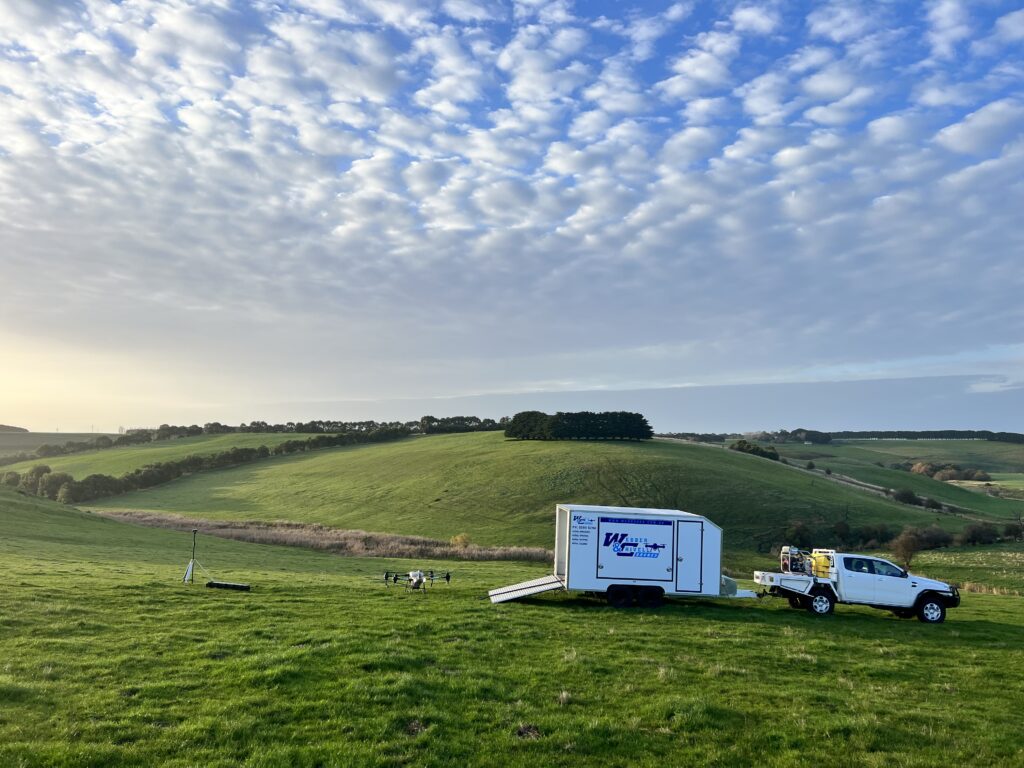
GROUND SUPPORT EQUIPMENT
Ground Support Equipment: The Foundation of Professional Operations
A drone in the air captures all the attention — the whir of rotors, the graceful arc across the sky, the data streaming back in real time. But spend a day with a professional operation, and you'll notice something else: the quiet work happening below. Charging stations cycling through battery rotations. Calibration benches ensuring sensor accuracy. Launch pads positioned to maximize efficiency. Storage systems protecting expensive equipment from weather and damage. Maintenance benches where small problems are solved before they become flight cancellations.
Ground support equipment is the unglamorous backbone that transforms drone investment into sustainable, scalable operations. It's also where the difference between amateur attempts and professional excellence becomes unmistakably clear.
Consider the economics: a drone sitting idle because batteries weren't properly charged, or because the launch pad was inadequate, or because sensor calibration drifted — these aren't small inefficiencies. They're operational failures that compound across seasons. Professional operators understand that every hour of flight time depends on meticulous preparation below: properly staged charging infrastructure, organized storage that protects against dust and moisture, calibration tools that maintain sensor accuracy, and launch systems that handle different terrain and weather conditions.
For fleet managers, contractors, and enterprises running multiple drones across varied landscapes, ground support infrastructure becomes the difference between occasional capability and consistent reliability. It's the investment that extends equipment life, reduces maintenance costs, minimizes downtime, and enables teams to execute complex missions with confidence.
This category connects equipment manufacturers and specialized suppliers with operators building sustainable, professional drone programs — because the mission doesn't start in the air. It starts on the ground, with preparation that makes every flight count.
Explore support solutions. Compare infrastructure systems. Build the foundation that enables professional drone operations.

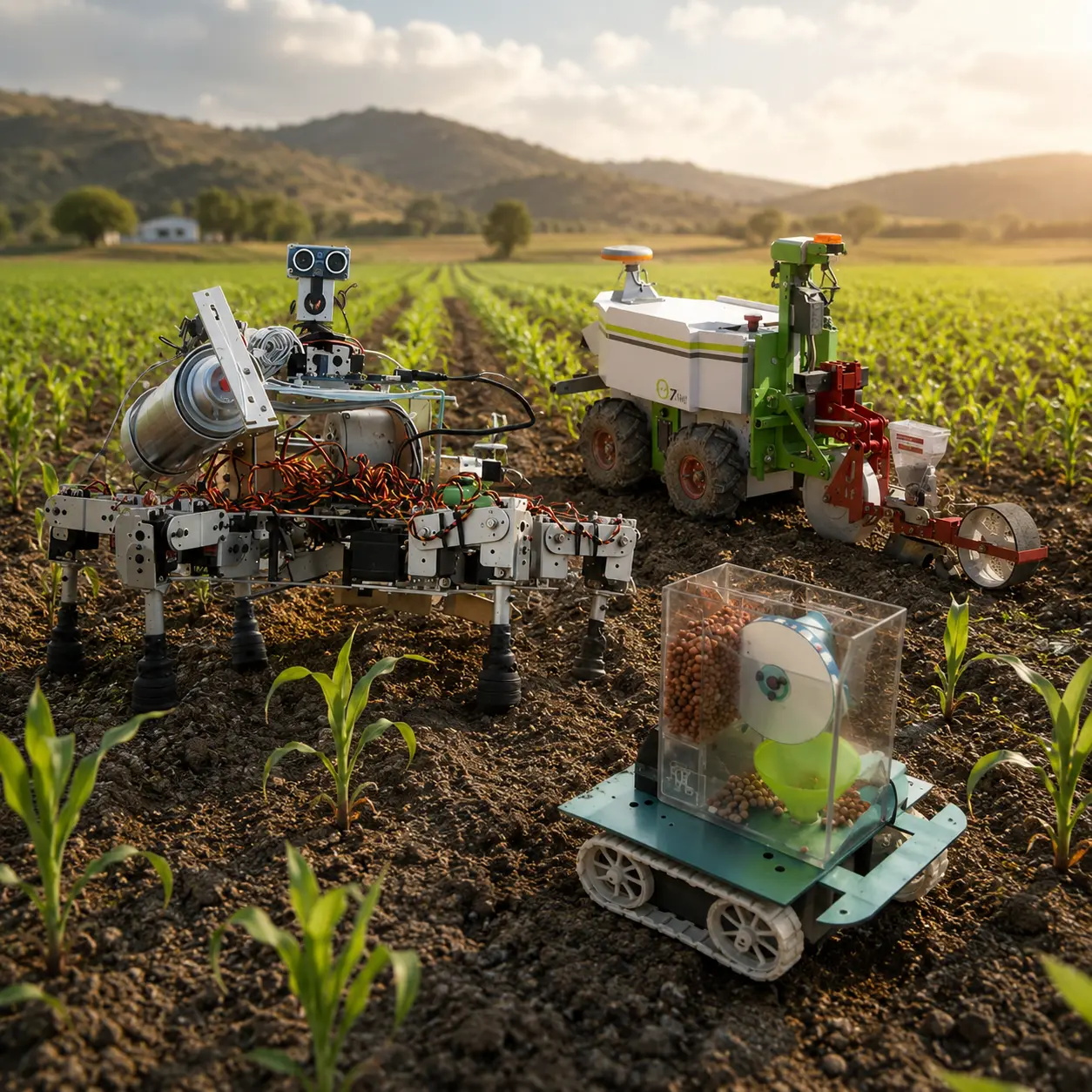
SEEDING & PLANTING ROBOTS
Seeding & Planting Robots: Where Human Precision Meets Tireless Automation
There's a moment that defines every planting season: the narrow window when soil conditions are perfect, weather is cooperating, and every delay costs yield. For generations, farmers faced this crunch the same way — marshaling every available hand, working long hours, racing against the calendar. The work was back-breaking, timing was everything, and human fatigue inevitably compromised consistency.
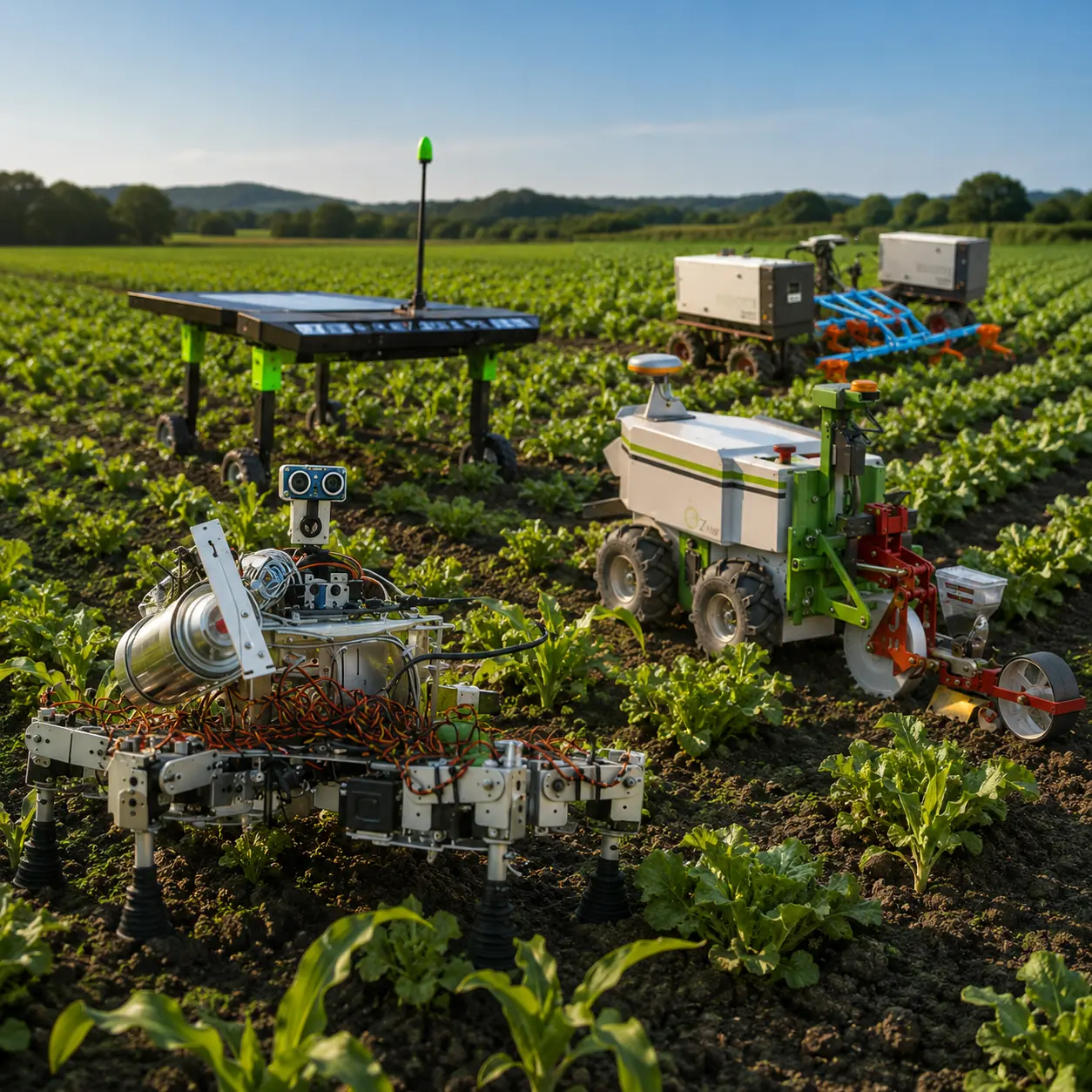
Seeding and planting robots are rewriting that script entirely. Moving methodically across fields with tireless precision, these autonomous systems plant with consistency that human workers simply cannot maintain across an entire day, let alone an entire season. Every seed placed at the optimal depth, optimal spacing, optimal angle — conditions adjusted in real time based on soil conditions, moisture, and terrain. What takes a crew days now takes hours, with seed placement accuracy that compounds into superior stand establishment and harvests that reflect meticulous preparation rather than human compromise.
For large-scale growers, agricultural contractors, and agribusinesses, the economics are compelling. Reduced labor dependency during critical windows. Planting operations that proceed regardless of fatigue or weather stress on human workers. Seed waste minimized through precision placement. Data integration that captures planting conditions for future optimization.
This isn't just mechanization — it's intelligence. These robots learn from each pass, adapt to variable field conditions, and execute with reliability that becomes the foundation for every subsequent cultivation decision across the growing season.
For manufacturers and suppliers in this emerging category, the opportunity is significant: connecting with operators building the next generation of farming operations — ones that scale through automation, not labor multiplication.
Discover robotic solutions. Compare precision capabilities. Plant operations that run on consistency, not compromise.

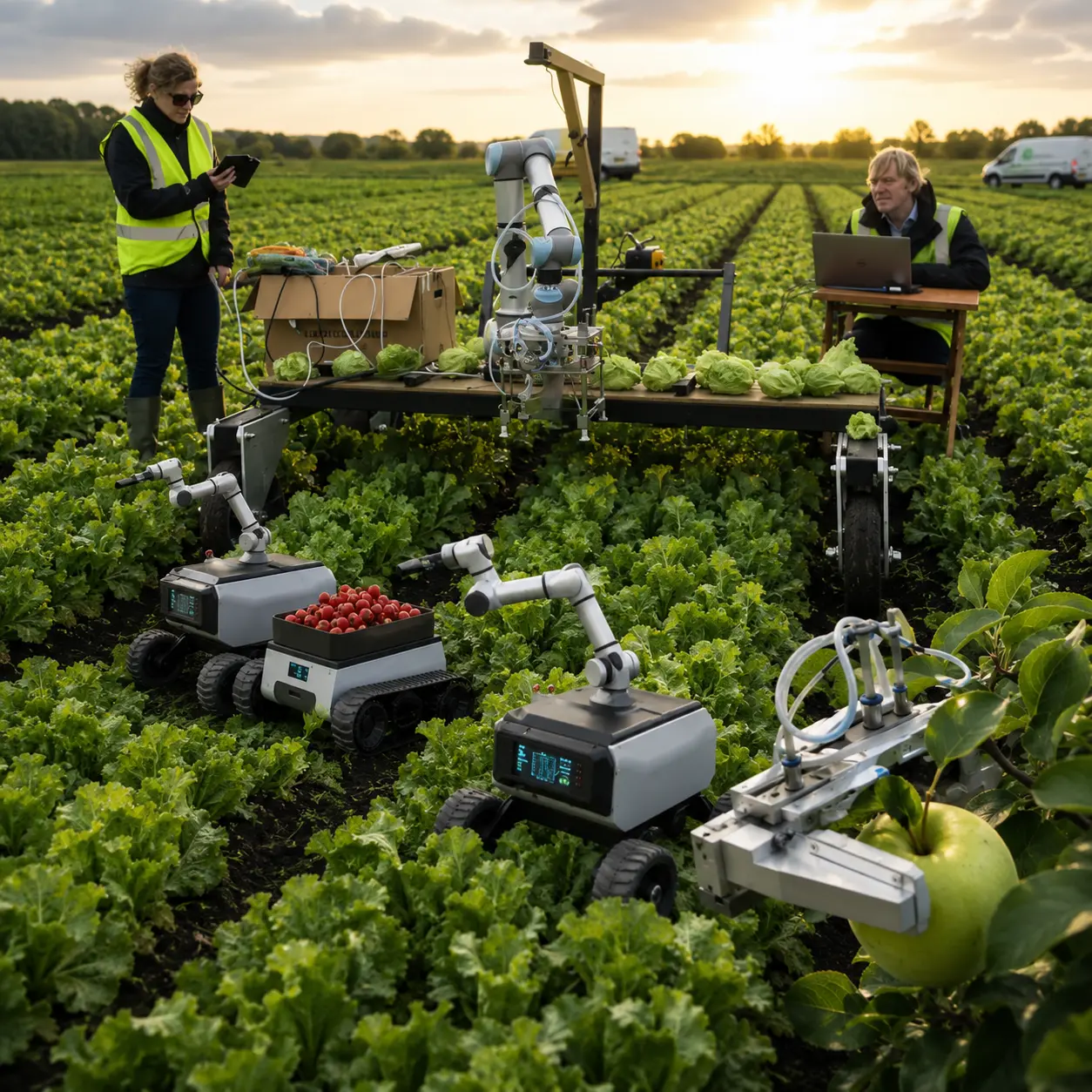
HARVESTING ROBOTS
Harvesting Robots: The Final Frontier of Precision Agriculture
Harvest is the moment every season builds toward — yet it remains stubbornly resistant to automation. Unlike planting or spraying, which follow predictable patterns across uniform fields, harvesting demands something far more complex: the ability to identify ripe fruit buried in foliage, calculate the precise force needed to detach it without damage, navigate unpredictable plant architecture, and repeat this sequence thousands of times across a season. It's why harvest still relies heavily on human workers, seasonal labor, and the vulnerabilities that come with both.
Harvesting robots are changing that calculus. Equipped with advanced vision systems that identify ripeness, robotic arms with the dexterity to pick without bruising, and autonomous navigation that adapts to individual plant variations, these systems work tirelessly through the day — consistent, gentle, and indifferent to fatigue. For labor-intensive crops like berries, tree fruit, and specialty vegetables, the implications are transformative.
For growers and agricultural enterprises, the value extends beyond pure labor replacement. Robots harvest at optimal ripeness, extending shelf life and quality. They work continuously without the fatigue-related errors that creep in as human workers tire. They capture data throughout harvest — fruit quality, ripeness patterns, yield variability — information that informs next season's cultivation decisions.
For agribusiness innovators and technology suppliers, this category represents agriculture's next frontier: moving from assisted cultivation toward genuinely autonomous harvest operations that match human judgment with mechanical tirelessness.
This is where the future of farming becomes undeniably different — not just more efficient, but fundamentally reimagined around what becomes possible when technology finally solves harvest's complexity.
Explore harvesting innovations. Compare precision capabilities. Harvest smarter, not harder.

WEEDING ROBOTS
Weeding Robots: The Smart Alternative to Chemicals and Exhaustion
Weeds are the persistence problem that defines farming. They emerge relentlessly, compete ruthlessly, and demand constant attention — whether through manual labor bent over rows in summer heat, or through herbicide applications that work but leave chemical residue, encourage resistant weed populations, and carry environmental costs that compound across seasons. For generations, farmers have accepted this binary choice: exhaustion or chemicals. There's been little middle ground.
Weeding robots are creating that middle ground. Equipped with advanced vision systems that distinguish crop plants from weeds with remarkable accuracy, combined with mechanical or thermal removal mechanisms, these autonomous systems work methodically through fields — identifying and eliminating weeds at their most vulnerable stages, without chemicals, without the backbreaking labor, and with a precision that no manual weeding could match.
For growers and agricultural enterprises, the implications are significant. Dramatically reduced herbicide dependency translates to lower input costs, cleaner environmental footprint, and freedom from the escalating challenge of herbicide-resistant weed populations. Labor requirements shift from exhausting seasonal work to equipment management and maintenance. Crop health improves as weeds are removed before they establish competitive root systems.
For sustainability-focused operations, organic growers, and premium produce enterprises, weeding robots represent a game-changing capability — enabling mechanical weed control at scale rather than relying on hand-labor or accepting the yield compromises that chemical restriction sometimes demands.
This category connects innovative robotics manufacturers with forward-thinking operations building the next generation of sustainable, efficient farming systems — where precision technology replaces the worn choice between chemicals and exhaustion.
Discover weeding solutions. Compare detection accuracy. Grow cleaner crops, smarter and stronger.

MONITORING & INSPECTION ROBOTS
Monitoring & Inspection Robots: Eyes That Never Close, Data That Never Lies
Problems don't announce themselves. A crack in infrastructure spreads silently for months before failure becomes catastrophic. A plant disease establishes itself in isolated patches long before symptoms become visible across entire fields. Equipment deteriorates gradually, each micro-degradation unnoticed until the moment something breaks entirely. The challenge has always been the same: problems hide until they're expensive to fix.
Traditional monitoring relies on periodic inspections — someone walking rows, climbing structures, or reviewing footage after damage has already occurred. It's inherently reactive: you're always discovering problems after they've progressed, responding rather than preventing, managing crises rather than forestalling them. Monitoring and inspection robots flip this dynamic entirely.
Moving autonomously through fields, facilities, and infrastructure systems, these robots observe continuously, capturing data that reveals problems while they're still small — crop stress developing before visible symptoms emerge, equipment wear patterns detectable weeks before failure, structural degradation identifiable before it threatens safety. They work tirelessly across 24-hour cycles, indifferent to weather or darkness, gathering intelligence that human eyes simply cannot sustain.
For operators, facility managers, and agribusinesses, continuous monitoring translates directly to prevention. Early intervention on crop stress prevents yield loss. Equipment problems caught early avoid expensive downtime. Infrastructure concerns identified early prevent catastrophic failure and safety liability.
For manufacturers and suppliers in this emerging category, the opportunity is substantial: connecting with enterprises that understand prevention is always cheaper than crisis response, and that continuous intelligence transforms management from reactive to genuinely strategic.
This is where technology becomes the difference between managing problems and preventing them entirely.
Explore monitoring solutions. Compare inspection capabilities. Transform data into insight before problems become emergencies.

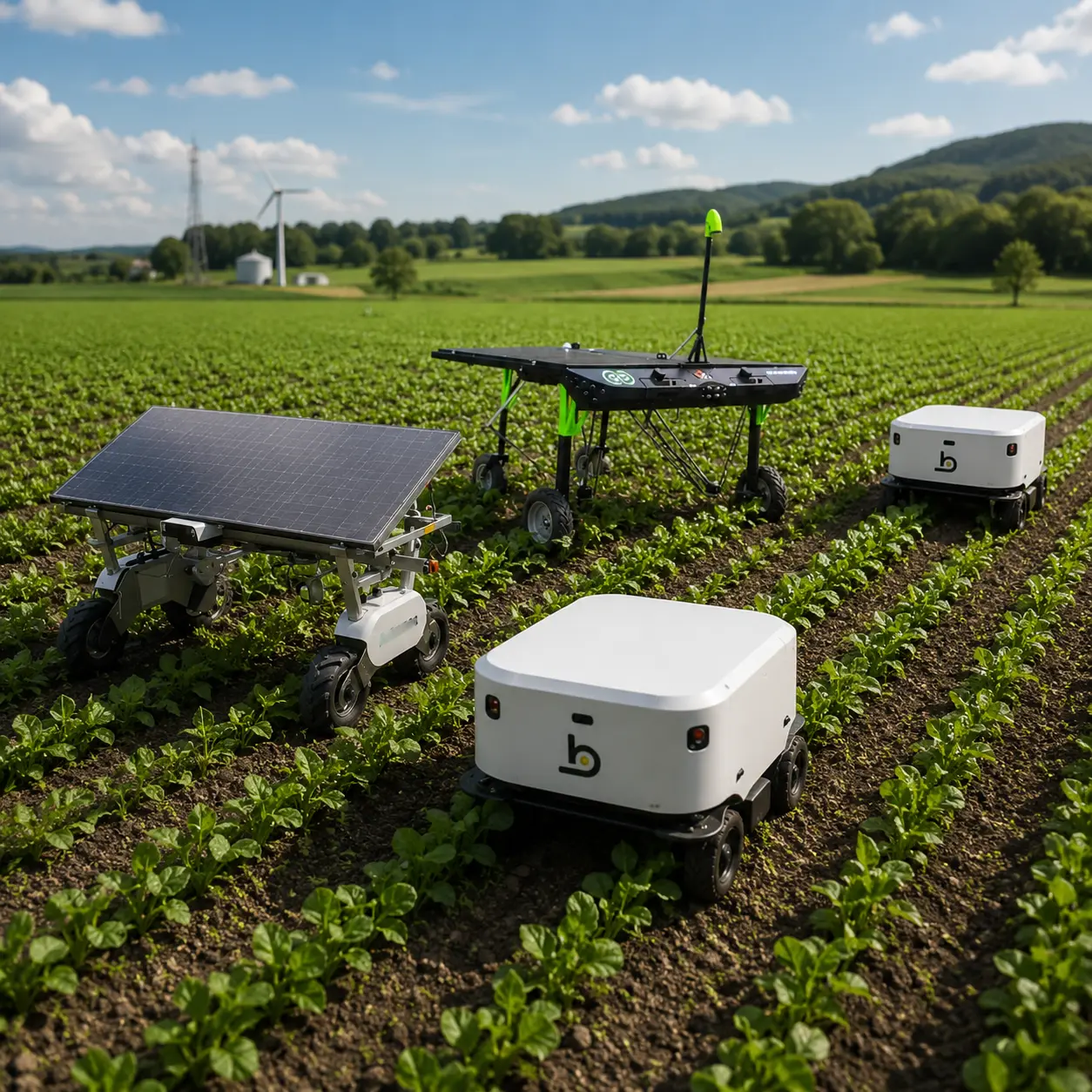
AUTONOMOUS FIELD ROBOTS
Autonomous Field Robots: The Future of Agriculture Works While You Plan
The traditional farm operates in cycles measured by human availability — the crew arrives, works until exhaustion, departs. Tomorrow brings the same rhythm. But what if the field itself never stopped working? What if soil preparation, cultivation, monitoring, and maintenance happened continuously, 24 hours a day, with consistency that human labor can never achieve?
Autonomous field robots represent a fundamental shift in how agricultural work gets done. Unlike purpose-built specialists — seeders, sprayers, harvesters — these multipurpose platforms navigate fields independently, execute varied tasks based on real-time conditions, and integrate seamlessly with broader farm management systems. They work through night and rain, across terrain where human crews would struggle, with the precision that compounds across every operation they perform.
For progressive growers and agribusinesses, the appeal extends beyond any single function. These robots become the infrastructure of the farm itself — continuously gathering soil data, adjusting cultivation strategies based on emerging conditions, executing preventive maintenance before problems develop, and learning from each pass to optimize future performance. They transform the farm from a place where work happens during defined shifts into an ecosystem of continuous, intelligent activity.
The economics are compelling: reduced labor dependency during peak seasons, consistent quality across large areas, continuous operations regardless of weather or daylight, and data-driven insights that inform every cultivation decision. For enterprises managing thousands of hectares, autonomous systems scale operations without proportional labor increases.
For manufacturers and technology providers, this category represents agriculture's next evolution — where the farm becomes genuinely autonomous, intelligent, and self-optimizing.
Discover autonomous solutions. Compare capabilities and integration. Build the farm that works while you lead.

SPECIALTY ROBOTS
Specialty Robots: Precision Where General Solutions Simply Can't Reach
Some agricultural challenges refuse to fit into standardized solutions. Pruning a vineyard requires understanding plant architecture and vintage-specific decisions that no general-purpose robot can navigate. Thinning fruit trees demands the gentleness of a human hand combined with consistency that human hands cannot maintain across thousands of trees. Pollinating crops in controlled environments needs a different approach entirely than field-scale operations. These aren't edge cases — they're high-value operations that define entire agricultural sectors.
Specialty robots address this reality head-on: purpose-built systems engineered for the specific demands of niche crops, unique environments, and precise interventions where generic solutions would simply fail. A pruning robot learns the architecture of individual vine plants, understands vintage-specific requirements, and executes cuts with the precision that improves fruit quality season after season. A canopy management system navigates through dense foliage to de-leaf, thin, or manage growth patterns with the finesse that manual labor provides but the consistency it never could.
For growers in high-value crops — specialty fruit, premium wine, greenhouse vegetables, or crop genetics — these specialized systems represent transformative capability. They solve problems that have resisted automation precisely because those problems were too specific, too variable, too nuanced for general-purpose equipment.
For agritech manufacturers and innovators, this category is where deep expertise becomes competitive advantage: understanding not just robotics, but the distinctive biology, economics, and operational requirements of specialized agricultural niches.
This space connects specialized robotics developers with premium growers who understand that the most valuable crops demand the most refined solutions.
Explore specialty innovations. Compare precision systems. Unlock capabilities designed specifically for your operation.

AUTONOMOUS TRACTORS
Autonomous Tractors: The Workhorse Reimagined
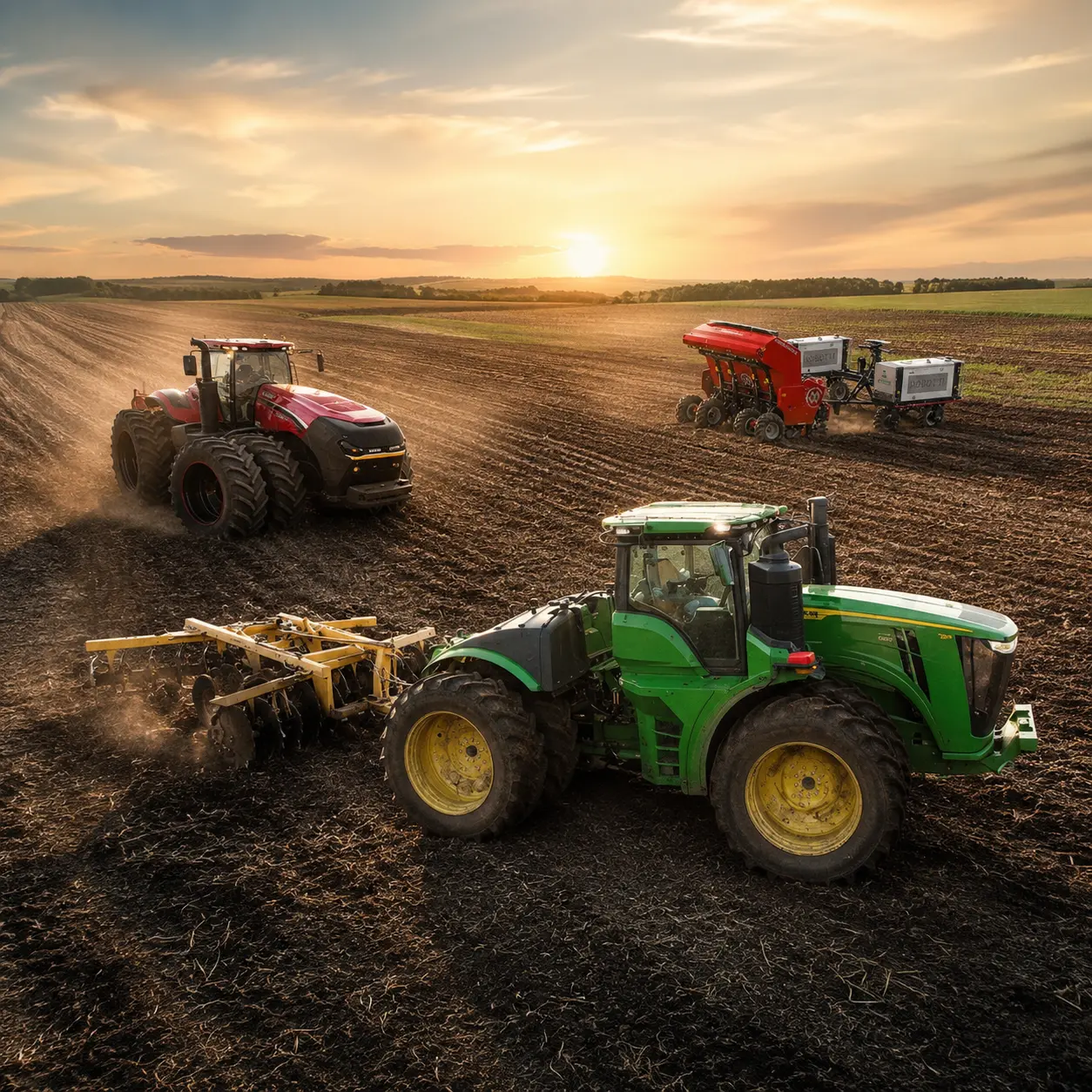
For over a century, the tractor has been agriculture's fundamental unit of power — a machine that transforms human intent into field work, limited only by operator stamina, attention span, and the hours available before darkness falls. A farmer, a tractor, and a long day of repetitive passes across rows. It's how cultivating, disking, and countless other field operations have always happened. It's also inefficient by design: one operator, one machine, one shift at a time.
Autonomous tractors shatter that constraint. Operating with GPS precision that exceeds human capability, these systems execute field operations continuously — day and night, through variable conditions, with consistency that no single operator could sustain. Precision plowing that optimizes depth and line alignment. Tilling that adapts to soil conditions in real time. Cultivation passes so consistent they become the foundation for every downstream decision across the growing season.
For large-scale growers and agricultural enterprises, the implications redefine operational economics. Labor requirements shift from field operators to equipment oversight and maintenance. Operations scale without proportional labor increases. Field work completes in compressed timeframes, capturing narrow weather windows and optimal soil conditions that would slip away under traditional constraints.
The technology integrates seamlessly into broader farm management systems — autonomous tractors become nodes in an intelligent network, receiving instructions from farm management software, reporting conditions back to decision-making systems, and collectively creating an ecosystem where human expertise directs strategy while machines execute with tireless precision.
This category connects tractor manufacturers and autonomous technology providers with enterprises building genuinely intelligent, scalable farm operations.
Explore autonomous systems. Compare precision capabilities. Transform your tractor fleet into tireless field intelligence.