SEAFOODS

SEAFOODS
“From silent waters to global tables—harvested with skill, delivered with dignity.”
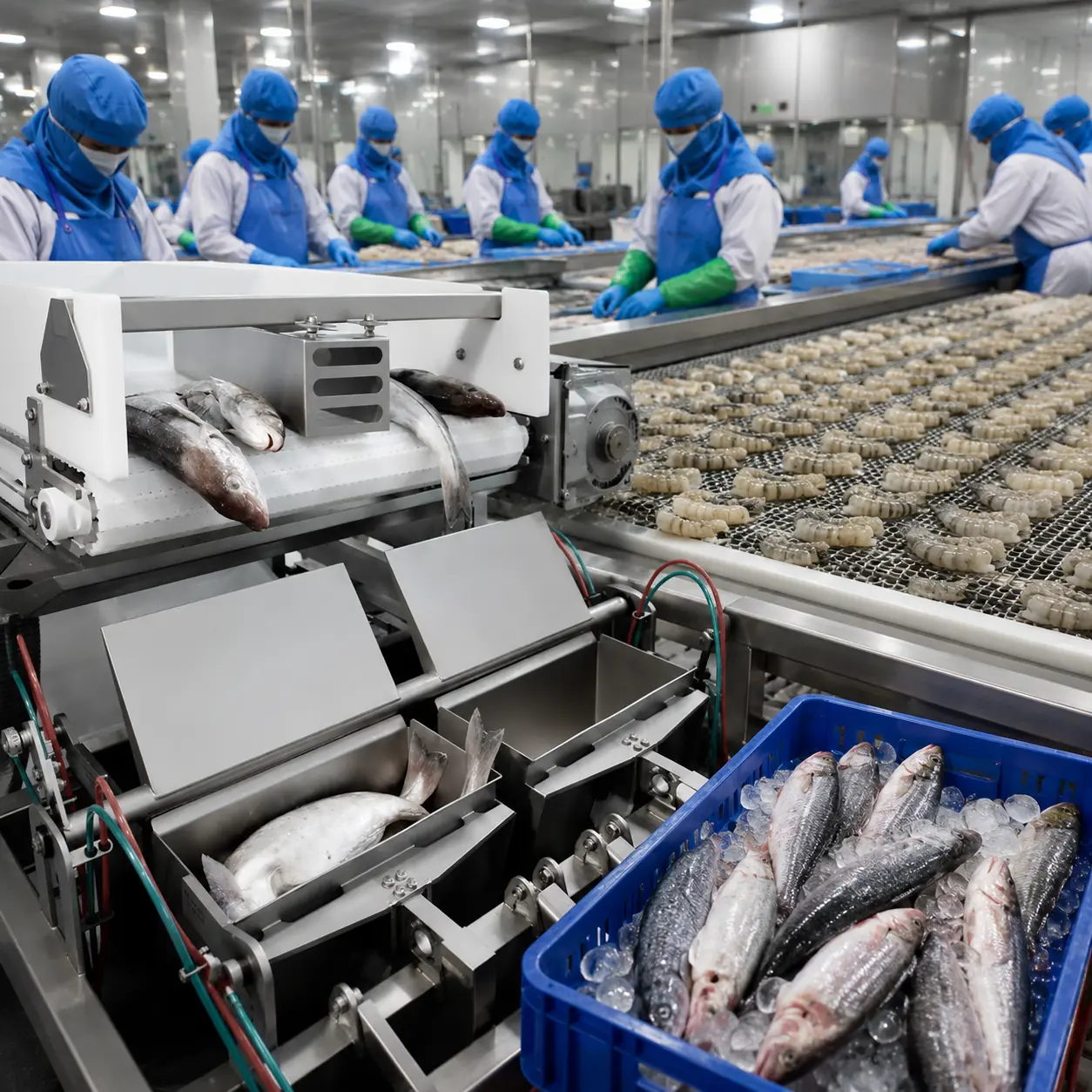
Fishermen and aquaculture workers begin before sunrise, guided by knowledge passed across generations. Careful harvesting, icing, grading, and cold-chain handling protect freshness and safety.
Rich in omega-3s, iodine, selenium, vitamin D, and B12, seafood nourishes health while sustaining coastal livelihoods and biodiversity.
Despite hard labor, many remain distant from fair reward. Still, they continue—because this work is heritage, not only income.
Global Source Expo restores visibility and fairness from water to world.
Civilizations have always risen beside rivers and seas, nourished by their gifts.
Popular subcategories under SEAFOODS

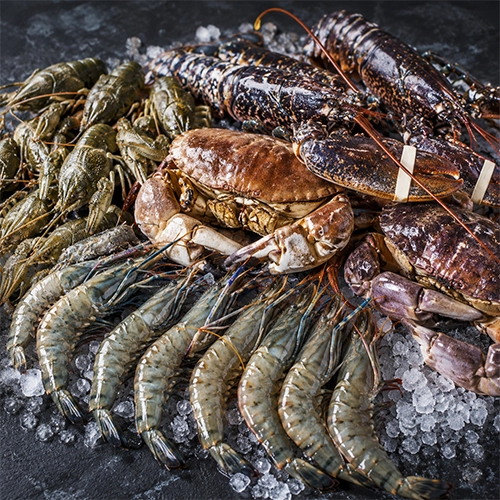
Crustaceans
Crustaceans: Premium Protein From Ocean Depths
A seafood buyer receives a shipment of fresh prawns and immediately recognizes quality by the translucent clarity of the flesh, the intact shell, and the sweet ocean aroma. These aren't just protein. They're promise. They're the foundation for restaurant dishes that command premium prices. They're the ingredient that separates exceptional seafood experiences from ordinary meals. A food processor calculates cost structures and recognizes that quality crustaceans deliver margin because consumers pay significantly more for them than commodity proteins. A restaurant chef plans a menu and understands that crustacean dishes become signature offerings, drawing customers specifically for those preparations. This is why sourcing matters so profoundly in the crustacean category.
Crustaceans span remarkable diversity. Shrimp represents the volume leader, appearing globally in countless cuisines and price points. Crab delivers sweet, delicate meat treasured across cultures. Lobster commands luxury positioning, reserved for special occasions and premium establishments. Langoustines, scallops, and specialty crustaceans serve niche markets willing to invest substantially. Each species carries distinct flavor profile and cultural significance that shapes sourcing decisions.
For importers and suppliers, crustacean sourcing demands expertise spanning aquaculture and wild harvest. Sustainability concerns increasingly influence purchasing decisions. Cold chain management becomes critical because freshness determines quality dramatically. Traceability proves essential as consumers increasingly demand transparency about sourcing and practices.
For retailers and restaurants, crustacean selection reflects positioning and values. Premium sourcing builds reputation and loyalty. Sustainability commitments resonate with environmentally conscious customers. Educational marketing helps consumers understand quality indicators and proper preparation.
This category connects ocean suppliers with buyers who understand that crustaceans represent premium proteins requiring expertise, care, and commitment to quality across entire supply chain.
Discover quality suppliers. Compare sourcing practices. Source crustaceans that deliver excellence.

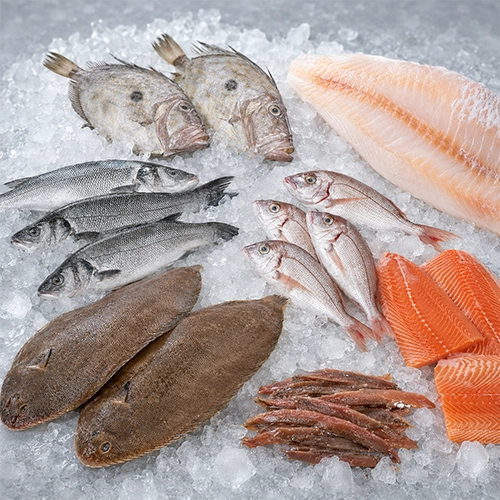
Saltwater Fish
Saltwater Fish: The Foundation of Global Seafood Trade
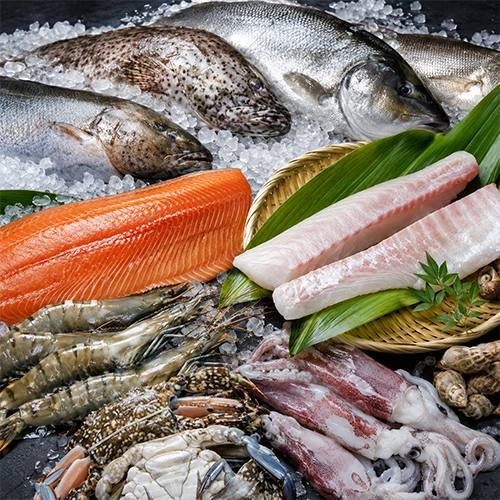
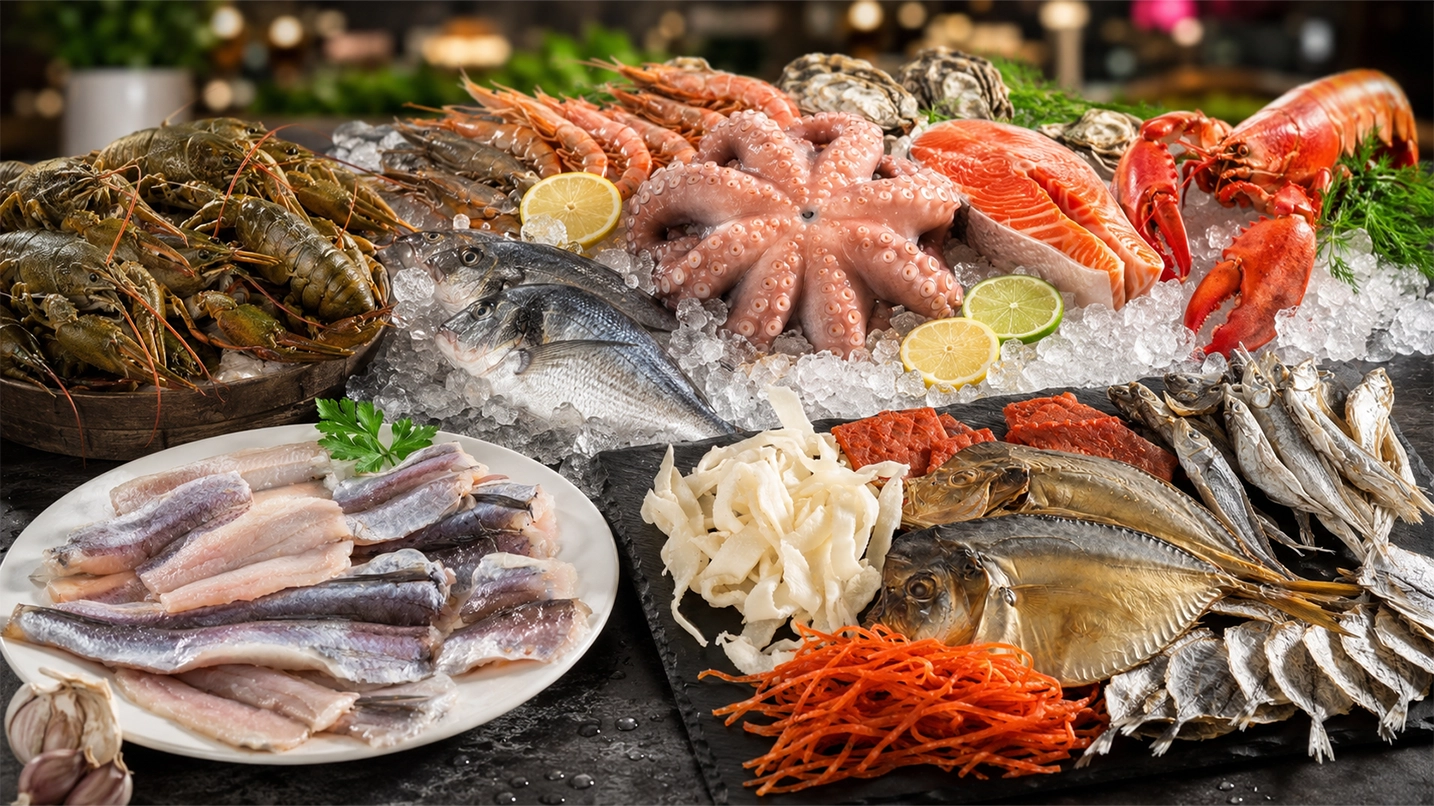
A chef opens their morning delivery and examines the catch carefully. The eyes should be clear and bright. The gills should be red, not brown. The flesh should be firm and smell distinctly of ocean, not fishy or ammonia-tinged. These quality indicators determine everything about what will appear on plates that evening. A food processor calculates their salmon sourcing costs and recognizes that quality fish commands premium pricing because consumers increasingly demand freshness and sustainability simultaneously. A retailer stocks their seafood counter and understands that selection quality defines customer satisfaction. A restaurant builds its reputation on fish dishes and recognizes that consistency in sourcing becomes non-negotiable. Saltwater fish represent far more than protein. They're the foundation of entire culinary traditions and business models built on quality and trust.
Saltwater fish span extraordinary diversity across species and price points. Salmon delivers rich flavor and premium positioning across markets. White fish like cod and halibut provide versatility and broader appeal. Tuna commands luxury pricing, especially premium cuts like bluefin. Mackerel and sardines offer affordability with nutritional density. Specialty species serve niche markets willing to explore and invest. Each species carries distinct flavor profile, sustainability considerations, and market positioning that shapes sourcing strategy.
For suppliers and importers, sourcing demands expertise spanning wild harvest and aquaculture. Sustainability practices increasingly influence purchasing decisions as consumers demand responsible sourcing. Cold chain management becomes critical because freshness determines quality dramatically. Traceability proves essential as regulatory requirements and consumer expectations demand transparency.
For retailers and restaurants, fish selection reflects positioning and values. Premium sourcing builds reputation. Sustainability commitments resonate with conscious consumers. Educational marketing helps customers understand quality indicators and proper preparation.
This category connects ocean suppliers with buyers who understand that saltwater fish represent premium proteins requiring expertise, care, and commitment to quality and sustainability.
Discover quality suppliers. Compare sourcing practices. Source fish that deliver excellence.
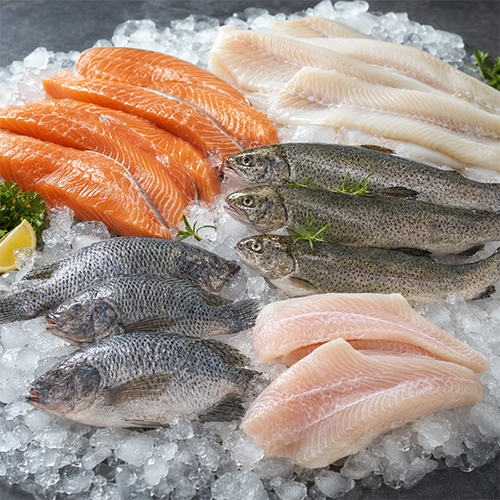
Freshwater Fish
Freshwater Fish: Sustainable Nutrition From Rivers and Farms
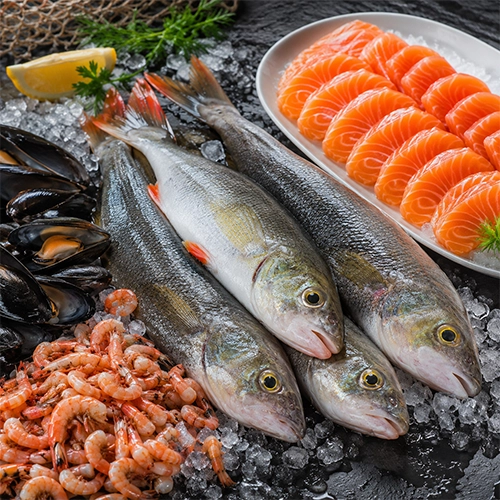
A fisherman pulls nets from a river and knows immediately whether the catch is healthy. The fish should be firm and clear-eyed. They should move with vigor in the water before processing. A food processor calculates their tilapia sourcing from aquaculture operations and recognizes that freshwater farming delivers consistent supply at prices that make nutrition accessible to populations that cannot afford saltwater species. A restaurant chef sources rainbow trout from local producers and understands they're building relationships with growers they can visit, observe, and trust. A retailer stocks freshwater fish and recognizes they're offering alternatives that many communities prefer, that many cuisines depend on, and that deliver value without compromising quality. Freshwater fish represent something profoundly important. They're sustainable protein options that feed billions globally.
Freshwater fish span remarkable diversity. Tilapia dominates aquaculture globally because it grows efficiently and accepts feed-based diets, making sustainable farming economically viable. Catfish provides affordable protein with distinctive flavor central to American Southern cuisine. Trout delivers premium positioning through wild catch appeal and aquaculture quality. Carp occupies important territory across Asian cuisines. Specialty species serve regional preferences and niche markets. Each offers distinct advantages spanning price points, sustainability profiles, and culinary applications.
For suppliers and producers, freshwater sourcing demands expertise spanning aquaculture management and environmental responsibility. Farm conditions determine fish health and quality. Feed sourcing affects both sustainability and flavor. Water management practices influence whether operations truly qualify as sustainable.
For retailers and restaurants, fish selection reflects values and positioning. Local sourcing builds community relationships. Quality consistency determines customer satisfaction. Sustainability commitments resonate with conscious consumers increasingly concerned about environmental impact.
This category connects freshwater producers with buyers who understand that sustainable protein serves nutrition, supports livelihoods, and respects environmental responsibility.
Discover quality suppliers. Compare farming practices. Source fish that nourish responsibly.

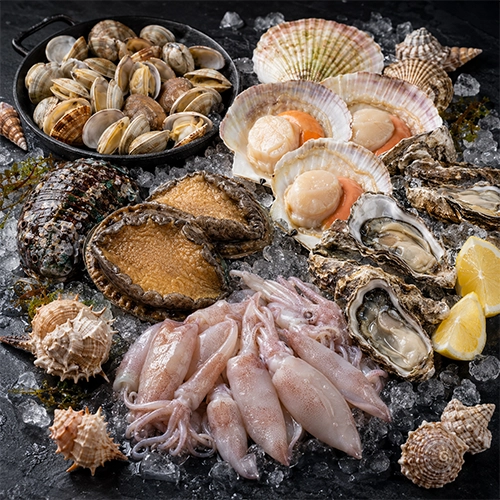
Mollusks & Cephalopods
Mollusks & Cephalopods: Oceanic Treasures Requiring Expertise
A diner tastes a perfectly prepared oyster for the first time and experiences something profound. The briny sweetness speaks of specific waters. The texture carries terroir as distinctly as wine. The moment transforms how they think about seafood. A chef sources squid from specific Mediterranean regions and understands that quality cephalopods deliver tender, flavorful meat that inferior sourcing cannot match. A seafood importer calculates their scallop sourcing and recognizes that sustainability practices directly influence both supply reliability and customer trust. A restaurant builds its reputation on raw oyster selections and understands that consistent quality from trusted sources becomes fundamental to customer loyalty. Mollusks and cephalopods represent premium seafood categories where sourcing expertise becomes the difference between exceptional experiences and disappointing results.
Mollusks span remarkable diversity. Oysters deliver briny elegance, with flavor profile shaped distinctly by growing waters and harvest season. Clams offer sweet, tender meat suited to countless preparations. Mussels provide affordable nutrition with rich flavor and sustainable farming potential. Scallops command premium positioning through delicate sweetness and tender texture. Cephalopods like squid and octopus require expertise to cook properly, delivering tender results when treated with understanding. Each category serves distinct culinary purposes and price points.
For suppliers and producers, sourcing demands environmental expertise. Water quality directly affects flavor and safety. Harvesting practices influence sustainability and resource regeneration. Cold chain management becomes critical because freshness determines quality dramatically. Traceability proves essential as regulatory requirements intensify and consumers demand transparency.
For retailers and restaurants, selection reflects culinary ambition and values. Premium sourcing builds reputation and justifies pricing. Sustainability commitments resonate with conscious consumers. Educational marketing helps customers understand preparation methods and quality indicators.
This category connects ocean producers with buyers who understand that mollusks and cephalopods represent premium seafood requiring expertise and care.
Discover quality suppliers. Compare sourcing practices. Source mollusks that deliver oceanic excellence.

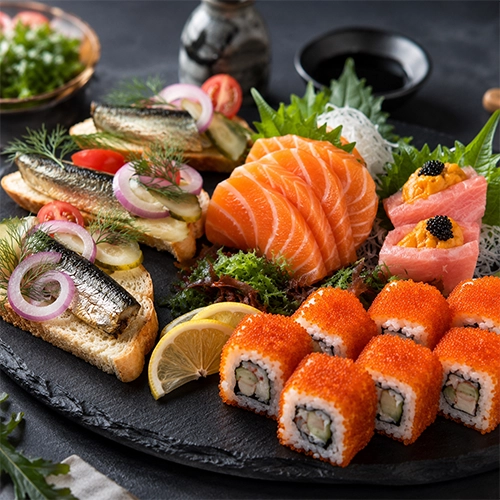
Caviar, Roe & Premium Products
Caviar, Roe & Premium Products: Luxury That Demands Uncompromising Excellence
A chef carefully places a single pearl of caviar atop a dish and understands the weight of that moment. That tiny sphere represents extraordinary cost, careful sourcing, and the pinnacle of luxury positioning. A food buyer receives a shipment of premium roe and examines each egg carefully, understanding that quality variations directly translate to customer satisfaction and whether premium pricing feels justified. A restaurant builds its reputation on caviar service and recognizes that consistency in sourcing becomes absolutely non-negotiable. A consumer tastes genuine caviar for the first time and experiences something entirely different from substitutes. Caviar and roe represent the absolute peak of seafood luxury, where sourcing expertise and uncompromising quality standards define everything.
Caviar spans remarkable hierarchy. Sturgeon caviar commands the highest prices, with specific sources like Beluga, Oscietra, and Sevruga commanding distinct positioning. Salmon roe offers vibrant appearance and accessibility compared to sturgeon. Uni delivers creamy richness treasured by sushi enthusiasts. Flying fish roe adds pop and visual appeal to contemporary cuisine. Each category serves distinct culinary applications and price points while delivering luxury through different expressions.
For suppliers and importers, sourcing demands expertise spanning sustainability concerns, regulatory compliance, and quality assessment. Aquaculture developments increasingly influence traditional wild harvest markets. Traceability becomes absolutely critical as regulations intensify and consumers demand transparency about sourcing practices.
For retailers and restaurants, premium product selection reflects culinary ambition and values. Genuine sourcing builds reputation and customer trust. Sustainability commitments matter increasingly as consumers question whether luxury should compromise environmental responsibility.
This category connects premium suppliers with establishments who understand that caviar and roe represent the absolute pinnacle of luxury and that excellence demands uncompromising standards.
Discover premium suppliers. Compare sourcing authenticity. Source caviar that justifies luxury.

Seaweed & Algae
Seaweed & Algae: Ancient Nutrition Rediscovered by Modern Markets
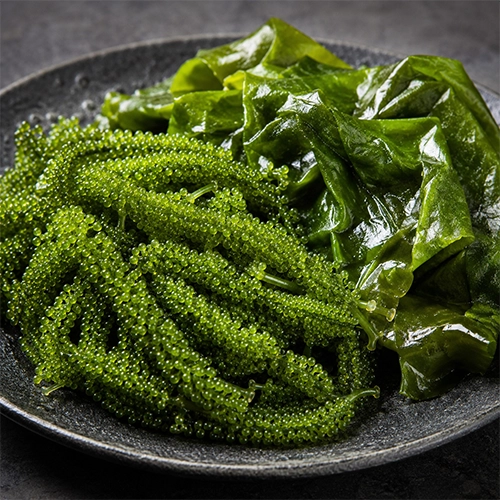
A chef reaches for nori sheets and understands they're holding something that cultures have treasured for thousands of years. Seaweed represents sustainable nutrition harvested from ocean floors, carrying minerals and nutrients that land-based crops cannot match. A food manufacturer develops a spirulina supplement and recognizes they're tapping into growing wellness consciousness where consumers actively seek superfoods. A restaurateur experiments with kelp noodles and discovers they're offering sustainable alternatives that appeal to health-conscious diners. A global buyer calculates seaweed sourcing and realizes they're accessing nutrition that's becoming increasingly central to conversations about sustainable food systems. Seaweed and algae represent something quietly revolutionary. They're foods that have nourished communities for millennia while simultaneously offering solutions to modern sustainability challenges.
Seaweed spans remarkable diversity. Nori provides essential umami to sushi and Asian dishes. Wakame delivers mild sweetness and nutrition to soups and salads. Kombu brings depth and mineral richness to broths. Dulse offers unique flavor for Western palates discovering seaweed. Spirulina and chlorella concentrate nutrition into dense supplements. Kelp transforms into noodles, powders, and culinary ingredients. Each form serves distinct applications and consumer preferences.
For producers and suppliers, seaweed sourcing requires expertise spanning sustainable harvesting, proper drying, and quality grading. Environmental stewardship becomes critical because overharvesting threatens ecosystems. Processing methods determine whether final products retain nutritional integrity and authentic flavor.
For manufacturers and retailers, seaweed and algae selection reflects positioning around sustainability and wellness. Traditional products serve ethnic markets. Modern applications appeal to health-conscious consumers. Educational marketing helps Western consumers understand culinary applications and nutritional benefits.
This category connects ocean growers with buyers who understand that seaweed and algae represent sustainable nutrition and the future of responsible food systems.
Discover quality suppliers. Compare product varieties. Source seaweed that nourishes sustainably.

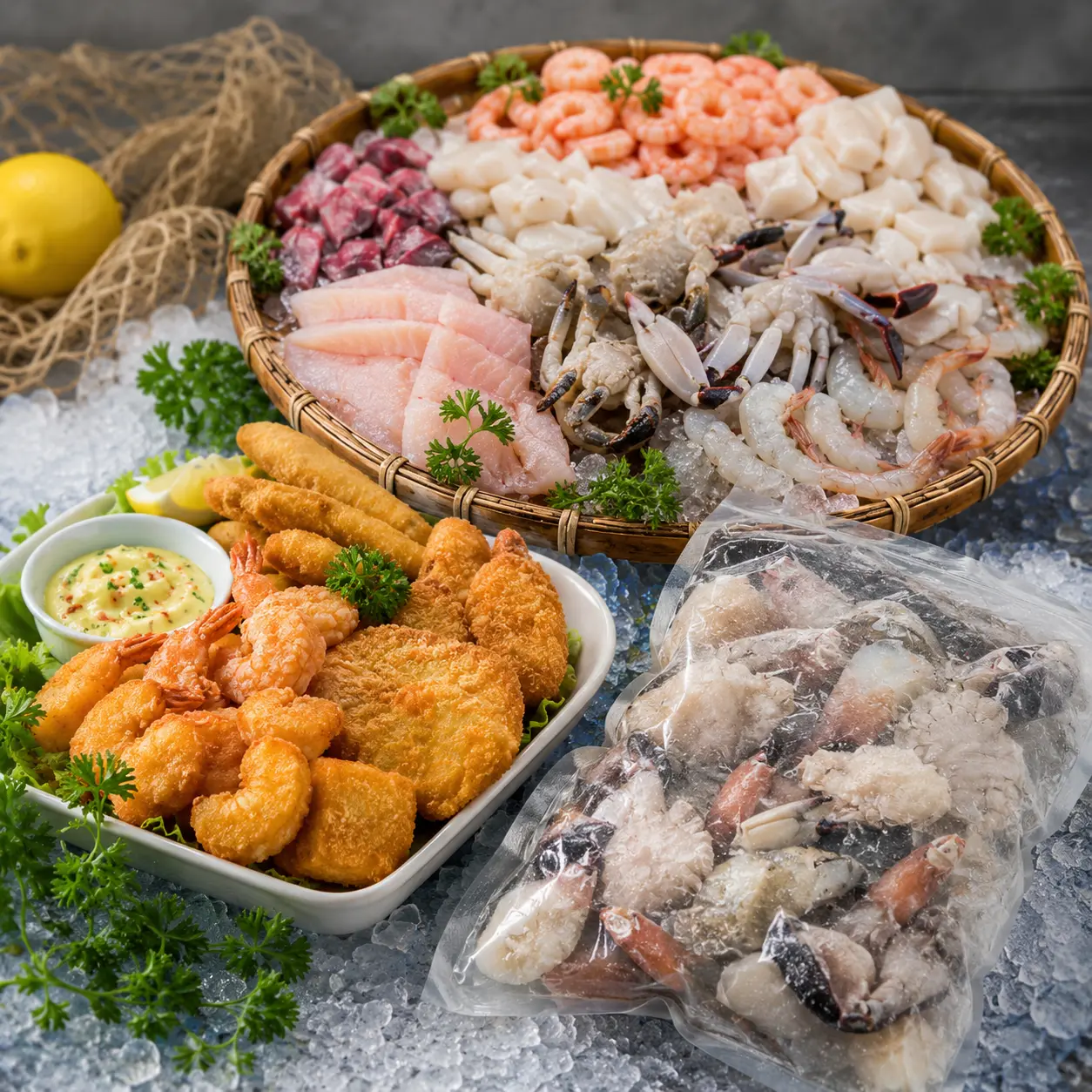
Frozen Seafood
Frozen Seafood: Quality Captured at Perfect Moments
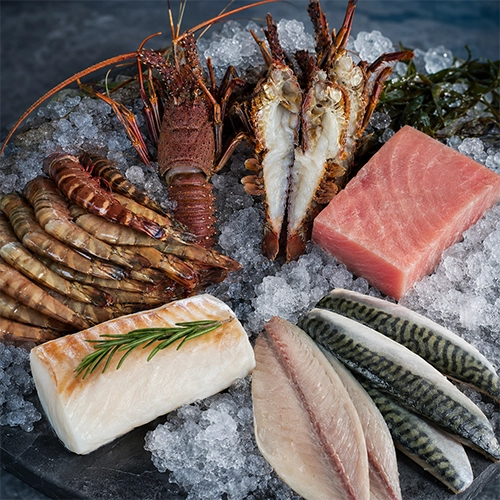
A fisherman pulls wild salmon from icy waters and knows immediately that these fish represent exceptional quality. Within hours, they're flash-frozen at peak freshness, their texture and flavor locked into crystalline perfection. A restaurant chef receives frozen seafood and understands something fundamental has shifted. The quality rivals fresh fish that arrived days ago because freezing happened immediately, preserving nutrients and flavor that time and transport compromise. A food processor calculates their supply chain and recognizes that frozen seafood eliminates seasonal gaps, reduces waste through extended shelf life, and enables consistent sourcing regardless of wild catch fluctuations. A consumer discovers that frozen shrimp tastes superior to fresh shrimp from the grocery case because freezing happened mere hours after harvest while fresh shrimp sat in displays losing quality constantly.
Frozen seafood transforms traditional assumptions about what quality means. Modern flash-freezing technology captures fish and shellfish at peak ripeness, preserving nutritional content better than many fresh alternatives traveling thousands of kilometers. Vacuum packaging prevents oxidation and freezer burn. Proper cold chain management maintains quality indefinitely. The technology that once represented compromise now represents sophistication.
For suppliers and processors, freezing enables capturing product at origin, eliminating complex logistics while preserving quality maximally. Sustainability improves because waste decreases and supply becomes reliable. Operations can scale across seasons without dependency on wild fluctuations.
For retailers and restaurants, frozen seafood reduces operational challenges while maintaining quality expectations. Supply consistency eliminates sourcing uncertainty. Per-unit costs often decrease while quality remains excellent. Educational marketing helps customers understand that frozen seafood represents strategy, not compromise.
This category connects seafood producers with buyers who understand that freezing excellence preserves quality and enables global seafood systems to function sustainably.
Discover quality suppliers. Compare freezing methods. Source seafood that captures peak excellence.

Fresh & Chilled Seafood
Fresh & Chilled Seafood: The Art of Speed and Precision
A fishmonger opens their shop before dawn and arranges the morning catch on ice beds with deliberate care. The fish must be positioned perfectly. The ice must be at proper temperature. The display case needs constant attention because quality begins to slip the moment freshness starts declining. This is the invisible work that defines exceptional seafood experiences. A restaurant chef selects their fish supplier based on one thing: reliability. They need someone who understands that four hours from boat to kitchen represents the difference between extraordinary and acceptable. A consumer visits their fishmonger and recognizes quality instantly. The eyes are bright. The gills are red. The flesh is firm. The aroma speaks of ocean, not deterioration.
Fresh and chilled seafood exists in a narrow window where everything matters intensely. Temperature control becomes critical because even slight warming accelerates deterioration. Cold chain integrity determines whether fish arriving at retailers maintains quality or disappoints. Handling practices influence whether delicate flesh bruises or remains pristine. Time becomes the ultimate constraint because quality declines measurably with every passing hour.
For suppliers and importers, sourcing demands logistical precision. Fishing vessels need proper icing and storage. Transport must maintain exact temperatures. Delivery timing matters critically because windows of opportunity close quickly.
For retailers and restaurants, fresh seafood selection reflects quality commitment and customer values. Premium positioning demands consistent excellence. Relationships with trusted suppliers become essential because reputation depends on reliability. Educational staff help customers recognize quality indicators and understand preparation methods.
This category connects fishermen and processors with retailers and chefs who understand that fresh seafood excellence requires speed, precision, and uncompromising attention to quality across every moment.
Discover quality suppliers. Compare freshness indicators. Source seafood that honors the ocean's gift.

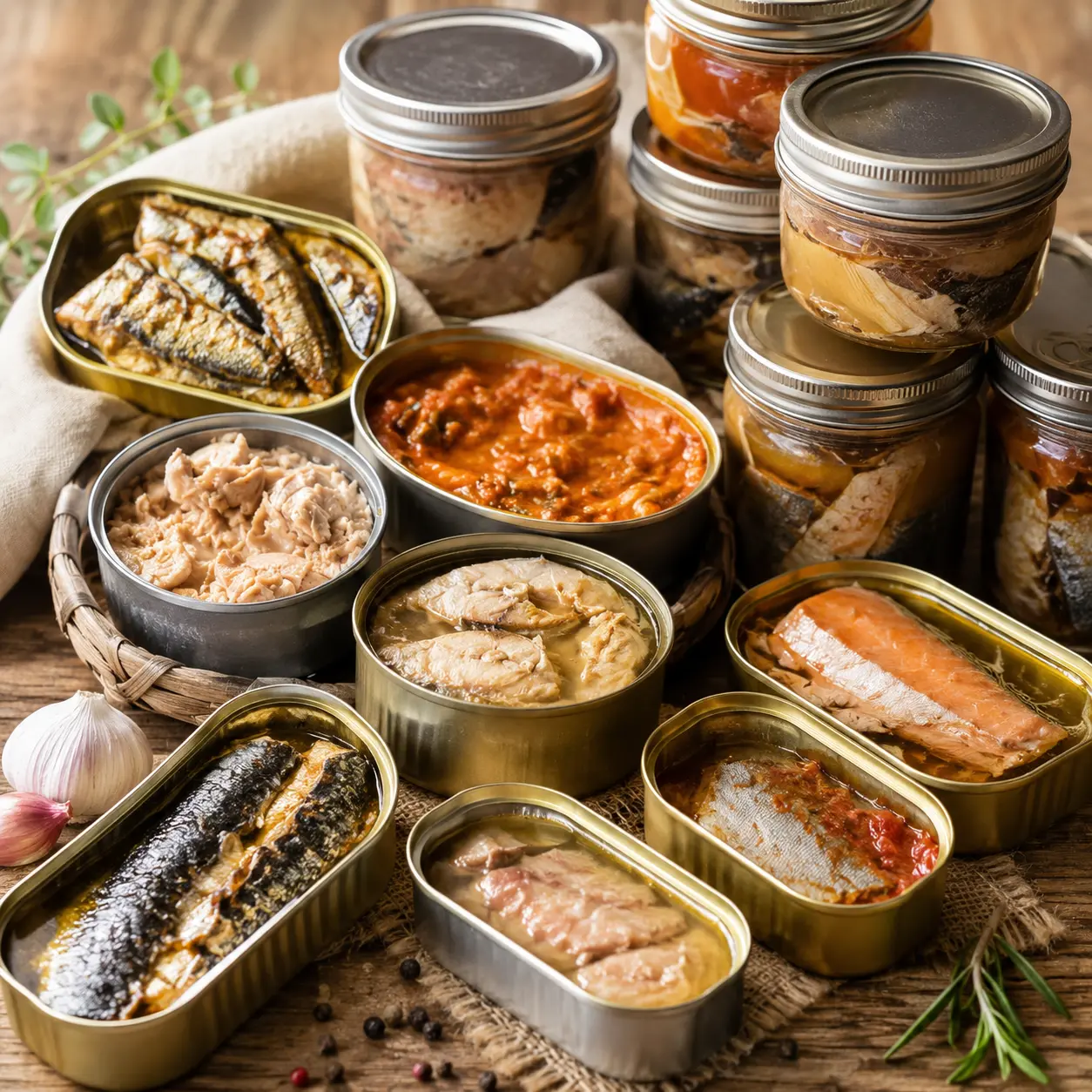
Canned & Preserved Seafood
Canned & Preserved Seafood: Convenience That Doesn't Compromise Quality
A parent opens a can of tuna and creates a meal in minutes. No thawing required. No perishability concerns. No special equipment needed. Just protein ready to transform into something nourishing. A food manufacturer sources canned salmon and recognizes they're accessing consistent supply independent of seasonal fluctuations. A developing nation relies on canned seafood as affordable nutrition that doesn't require refrigeration, reaching populations that frozen and fresh alternatives cannot serve. A home cook discovers that canned sardines taste exceptional when sourced properly, delivering omega-3 nutrition in convenient form. Canned and preserved seafood represents something profound. It's accessibility. It's stability. It's nutrition that survives without electricity or refrigeration.
Canned seafood spans remarkable diversity. Tuna dominates globally through affordability and versatility. Salmon delivers premium nutrition and flavor in accessible format. Sardines offer concentrated omega-3s and nutritional density. Anchovies provide umami intensity for countless applications. Mackerel brings bold flavor at accessible prices. Each represents different market positioning and culinary application.
For producers and canners, preservation demands expertise spanning timing, temperature control, and quality grading. Fresh fish should be canned immediately to capture optimal quality. Cooking and packing methods determine whether final products maintain structural integrity and flavor. Oil or water packing affects both nutrition and consumer preference.
For retailers and manufacturers, canned seafood selection reflects accessibility positioning. Quality sourcing builds customer trust. Sustainability commitments increasingly matter as consumers question whether convenient options compromise environmental responsibility.
This category connects seafood processors with buyers who understand that canned and preserved seafood serves global nutrition through reliable, affordable, shelf-stable products.
Discover quality suppliers. Compare preservation methods. Source canned seafood that delivers nutrition accessibly.

Value-Added & Ready-to-Cook
Value-Added & Ready-to-Cook Seafood: Time Meets Quality
A home cook pulls a packet of marinated fish from the refrigerator and realizes dinner is minutes away instead of hours. No recipe research required. No lengthy preparation needed. Just heat and serve. A restaurant chef sources pre-portioned seafood and calculates labor hours saved, waste eliminated, and consistency improved. A food manufacturer develops breaded shrimp and recognizes they're creating products that busy consumers actively seek. A parent needs dinner on the table quickly and reaches for value-added seafood that transforms their evening from stressful to manageable. Value-added and ready-to-cook seafood represents something increasingly valuable in modern life. It's the intersection where convenience meets quality and time constraints meet genuine nutrition.
Value-added seafood spans remarkable applications. Pre-marinated fish arrives flavor-ready, requiring only cooking. Breaded and battered products offer crispy satisfaction without additional preparation. Seasoned shrimp and scallops streamline meal creation. Smoked fish provides ready-to-eat nutrition. Pre-portioned fillets eliminate prep work. Seafood kits combine proteins with sauces and instructions. Each represents different convenience levels and culinary applications.
For processors and manufacturers, value-addition demands expertise spanning seasoning development, quality preservation, and shelf-life management. Marinades should complement rather than mask seafood's natural flavor. Battering should deliver crispness without excessive coating. Processing should maintain nutritional integrity while extending usability.
For retailers and food service, ready-to-cook selection reflects operational efficiency and customer expectations. Convenience positioning appeals to time-constrained consumers. Quality sourcing builds trust that convenience doesn't mean compromise. Clear labeling helps customers understand preparation requirements.
This category connects seafood processors with retailers and consumers who understand that value-added products solve real challenges while delivering quality and nutrition simultaneously.
Discover quality suppliers. Compare preparation options. Source seafood that transforms cooking.

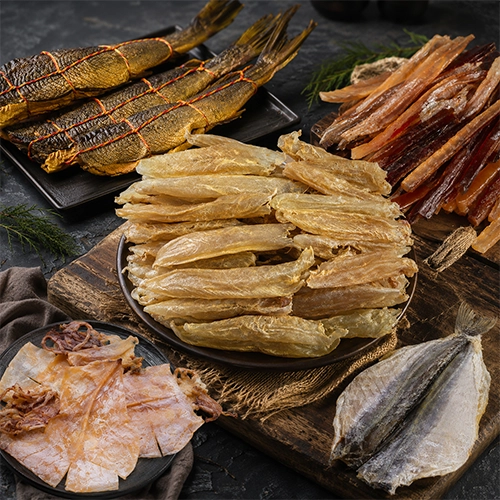
Dried & Dehydrated Seafood
Dried & Dehydrated Seafood: Concentrated Flavor From Ancient Tradition
A cook in Hong Kong reaches for dried scallops and understands they're holding something precious. Those small, golden discs represent entire harvests condensed into concentrated umami. They'll be rehydrated and transform broths into liquid gold. A traditional medicine practitioner selects sea cucumber and recognizes they're accessing nutrition that cultures have valued for thousands of years. A food manufacturer sources dried shrimp and calculates the flavor intensity these tiny crustaceans deliver compared to fresh alternatives. A restaurant chef develops a dish around dried fish and discovers that preserved product offers complexity that fresh fish simply cannot provide. Dried and dehydrated seafood represents something ancient and increasingly valued by modern culinary professionals who recognize that preservation concentrates both flavor and nutrition profoundly.
Drying seafood transforms it entirely. Moisture removal concentrates flavor compounds exponentially. Umami intensifies. Nutritional density increases. Extended shelf life eliminates spoilage concerns. Dehydrated seafood requires rehydration before use, but the transformation delivers depth and complexity that fresh alternatives cannot match. This is why premium Asian cuisines treasure these products.
Dried seafood spans remarkable diversity. Scallops command luxury positioning through delicate sweetness concentrated intensely. Shrimp provides umami foundation for countless broths and sauces. Sea cucumber delivers gelatinous richness treasured in traditional cuisine. Anchovies and small fish become flavor-building foundations. Each represents specific culinary applications and market positioning.
For producers and suppliers, drying demands expertise spanning harvest timing, temperature control, and quality grading. Proper drying preserves nutritional integrity while concentrating desirable compounds. Storage conditions protect against moisture reabsorption and pest infiltration.
For retailers and chefs, dried seafood selection reflects culinary sophistication. Premium sourcing builds reputation. Educational marketing helps customers understand rehydration methods and authentic applications.
This category connects traditional producers with buyers who understand that dried seafood represents ancient preservation wisdom and concentrated flavor excellence.
Discover quality suppliers. Compare drying methods. Source products that concentrate culinary excellence.

Industrial & Processing Inputs
Industrial & Processing Inputs: The Hidden Foundation of Seafood Innovation
A feed manufacturer receives an order for fish meal and understands they're sourcing something fundamental. That protein-rich powder will become feed for farmed salmon, directly influencing the quality of fish that eventually reaches consumers. A seafood processor sources enzymes for their production line and calculates how the right additives improve yield while maintaining product integrity. A manufacturer develops a new surimi product and needs consistent input quality to ensure every batch performs identically. A cold storage facility invests in superior freezing technology and recognizes that equipment choice determines whether products emerge perfectly preserved or compromised by improper freezing. Industrial and processing inputs operate invisibly to consumers but determine everything about the seafood products that reach tables.
Industrial inputs span remarkable diversity. Fish meal and oil support sustainable aquaculture, converting seafood by-products into valuable feed inputs. Processing enzymes improve yield and texture while enabling efficiency gains. Additives preserve color, texture, and nutritional integrity. Freezing systems capture quality at peak freshness. Packaging protects products through supply chains. Testing inputs ensure safety and quality consistency.
For manufacturers and processors, input sourcing becomes strategically critical. Quality inputs enable consistent output. Reliability determines production scheduling. Cost efficiency influences final product pricing and margin potential. Sustainability of input sourcing increasingly reflects brand values and customer expectations.
For suppliers and technology providers, serving industrial segments requires understanding customer production challenges deeply. Solutions must deliver measurable improvement in yield, quality, or efficiency. Reliability becomes non-negotiable because production disruptions cascade through supply chains.
This category connects input suppliers with processors who understand that industrial excellence depends on quality inputs throughout entire operations.
Discover quality suppliers. Compare efficiency gains. Source inputs that transform production.

Regional Seafood Collections
Regional Seafood Collections: Authenticity Delivered in Curated Form
A chef opens a Mediterranean seafood collection and recognizes immediately that someone with deep knowledge has selected these products thoughtfully. Sardines from specific waters. Anchovies from the right regions. Preserved octopus sourced properly. Everything speaks of genuine understanding rather than random assembly. A food importer recognizes an opportunity to serve ethnic communities seeking authentic products without requiring individual sourcing expertise. A restaurant builds a menu section around a curated Nordic collection and discovers customers respond enthusiastically to the coherence and authenticity of offerings. A retailer displays a Japanese seafood collection and recognizes they're offering customers a gateway into cuisines they want to explore more deeply. Regional seafood collections represent something valuable. They're expertise packaged into convenient forms that serve multiple market needs simultaneously.
Regional collections solve real problems. They eliminate the need for buyers to source multiple products individually across different suppliers. They ensure products genuinely complement each other authentically. They communicate culinary knowledge that inspires customer confidence. They streamline procurement while maintaining quality standards. They enable retailers and restaurants to offer curated experiences that feel thoughtful rather than generic.
For suppliers and importers, collections represent opportunity for margin and differentiation. Curating requires expertise and relationships with quality sources. Collections enable premium positioning compared to commoditized individual products. Educational content strengthens collections by explaining selections and suggesting applications.
For retailers and restaurants, collections simplify sourcing while building customer trust. Authentic positioning resonates with diners seeking genuine experiences. Educational marketing helps customers understand regional authenticity and preparation methods.
This category connects knowledgeable suppliers with retailers and chefs who understand that curated collections deliver authenticity, convenience, and the genuine flavors that define regional cuisines.
Discover quality curators. Compare collection options. Source seafood that honors culinary traditions.