SUSTAINABLE KITCHENWARE AND TOOLS

SUSTAINABLE KITCHENWARE AND TOOLS
“Tools of the kitchen, guardians of health and earth.”
Wood, bamboo, clay, and metal are shaped into cookware and utensils designed for safe, natural cooking. Each item balances durability with food safety.
Free from harmful coatings and plastics, these tools protect meals and the environment while adding warmth to kitchens.
Artisans continue this craft from pride and heritage despite modest returns.
Global Source Expo connects these essentials to homes valuing health and responsibility.
Since the first hearth fires, cooking tools have shaped how humanity eats and lives.
Popular subcategories under SUSTAINABLE KITCHENWARE AND TOOLS

Kitchen Utensils & Tools
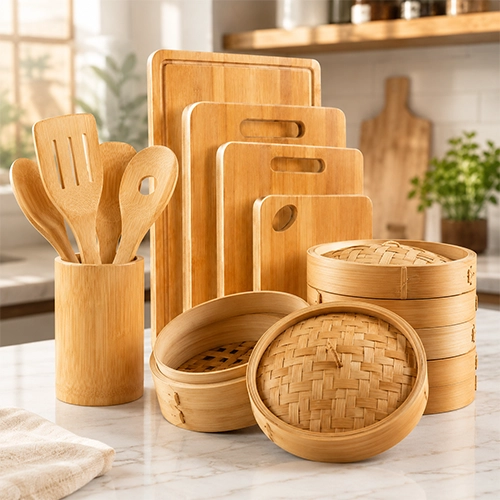
Kitchen Utensils & Tools: Cooking With Conscience
A parent washes dishes with their child and realizes the plastic spatula has been melting slightly where it touches the hot pan. They wonder what's leaching into the food. They reach for something different. A cook opens their utensil drawer and recognizes that most contents will eventually end up in a landfill. They decide change matters. A restaurant manager calculates waste costs and realizes sustainable tools often cost less over time than constantly replacing disposable alternatives. These moments reveal something fundamental: eco-friendly kitchen utensils represent more than environmental consciousness. They represent practical choices where sustainability and quality align beautifully.
Eco-friendly kitchen tools address real problems with thoughtful solutions. Bamboo utensils provide natural antimicrobial properties without chemicals. Wood cutting boards develop character across years while remaining naturally protective against bacteria. Stainless steel tools outlast plastic alternatives by decades, making per-use cost dramatically lower. Silicone products replace plastic without leaching concerns. Recycled materials transform waste into functional beauty. Each alternative delivers practical advantages alongside environmental benefit.
For manufacturers and suppliers, eco-friendly positioning demands authentic commitment. Materials must be genuinely sustainable, sourced responsibly, and processed ethically. Durability matters intensely because longevity defines environmental benefit. Greenwashing damages reputation instantly with increasingly discerning consumers.
For retailers and restaurants, tool selection reflects brand values. Eco-friendly positioning appeals to environmentally conscious consumers. Quality construction means tools survive years of use, reducing replacement costs. Educational marketing helps customers understand how sustainable choices benefit their families and planet simultaneously.
This category connects sustainable manufacturers with retailers and consumers who understand that kitchen tools represent daily choices where environmental responsibility and practical excellence converge beautifully.
Discover quality manufacturers. Compare sustainable materials. Source tools that transform kitchens responsibly.

Sustainable Table Linens & Accessories
Sustainable Table Linens & Accessories: Beauty That Respects the Planet
A host sets their table for dinner and pauses to consider the linens spread across it. Where did this fabric come from? How many times will it be washed before wearing out? Will it end up in a landfill after its useful life concludes? These questions matter increasingly to people who recognize that daily choices ripple outward. A restaurant owner calculates textile waste and realizes quality linens that last years actually cost less than constantly replacing cheaper alternatives that deteriorate quickly. A family discovers that organic cotton napkins soften beautifully with every wash, becoming treasured items rather than disposable consumables. Sustainable table linens represent the intersection where environmental consciousness meets practical elegance.
Quality linens naturally resist fast fashion mentality. Organic cotton, linen, and hemp breathe beautifully, age gracefully, and develop character through use. Durable construction means linens survive hundreds of washings without pilling or fading. Natural dyes often prove more stable than synthetic alternatives. Investing in quality means linens become heirlooms rather than trash, passed through generations or resold when no longer needed. The per-use cost of quality sustainable linens dramatically undercuts cheap alternatives purchased repeatedly.
For manufacturers and suppliers, sustainable positioning demands authentic commitment. Organic certification ensures chemical-free cultivation. Fair trade sourcing supports grower communities. Ethical manufacturing practices protect worker wellbeing. Durability through quality construction defines environmental benefit. Transparent supply chains build consumer trust.
For restaurants and retailers, linen selection reflects brand values. Premium sustainable linens enhance dining experience while communicating environmental responsibility. Quality construction reduces replacement costs significantly. Customization options enable brand differentiation.
This category connects ethical manufacturers with restaurants and households who understand that table linens represent daily choices where sustainability and beauty strengthen each other.
Discover quality manufacturers. Compare fabric options. Source linens that elevate tables responsibly.

Composting & Food Waste Solutions
Composting & Food Waste Solutions: Transforming Waste Into Opportunity
A restaurant manager watches mountains of food waste leave the kitchen daily and feels the weight of it. Perfectly edible scraps, vegetable trimmings, plate waste. All destined for landfills where they'll decompose anaerobically, producing methane that damages atmosphere far more severely than the same organic matter breaking down aerobically in compost. A home gardener fills their composting bin week after week and watches it transform into dark, rich soil that feeds their vegetables the following season. A food manufacturer calculates disposal costs and realizes investment in composting infrastructure actually saves money while reducing environmental impact. These moments reveal something powerful: food waste solutions represent practical opportunities where environmental responsibility and economic sense align completely.
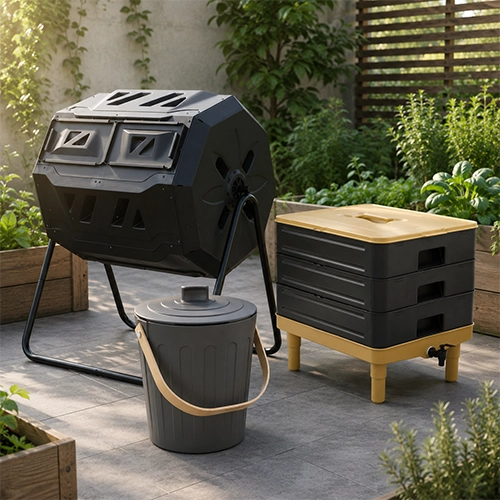
Composting transforms what seemed like waste into resource. Food scraps, yard debris, and organic materials become nutrient-rich soil amendment that gardens and farms treasure. Industrial composting facilities handle volume that home bins cannot match, creating products sold back to agricultural systems. Anaerobic digesters capture methane from decomposing organic matter, converting waste into renewable energy. Dehydrating systems concentrate nutrients while dramatically reducing volume. Each solution addresses specific waste streams and operational contexts.
For restaurants, manufacturers, and food service operations, waste solutions reduce disposal costs significantly while improving environmental footprint. Sorting systems enable composting rather than landfilling. Processing equipment compacts waste, reducing pickup frequency. Energy from anaerobic processes offsets operational costs.
For retailers and consumers, home composting solutions simplify participation in circular systems. Kitchen collectors capture scraps conveniently. Finished compost improves gardens and landscapes. Educational resources help people understand environmental benefit of their actions.
This category connects solution providers with businesses and households who understand that food waste represents lost opportunity and that composting transforms environmental challenge into genuine resource.
Discover quality solutions. Compare processing methods. Source systems that close the loop.

Kitchen Cleaning Tools
Kitchen Cleaning Tools: Effectiveness Without Compromise
A person reaches into their kitchen cabinet and realizes they've accumulated dozens of plastic brushes, worn sponges, and disposable cleaning tools destined for landfills. Each one seemed insignificant individually. Collectively, they represent thousands of items multiplied across millions of households. The moment of recognition hits hard. They decide that cleaning dishes shouldn't generate mountains of trash. A commercial kitchen manager calculates cleaning supply costs and discovers that investing in durable, reusable tools dramatically reduces per-month expenses compared to constantly purchasing disposable alternatives. A restaurant owner recognizes that single-use plastics contradict their sustainability values and searches for cleaning solutions that align with their environmental commitment. These moments reveal something crucial: sustainable kitchen cleaning tools represent practical choices where effectiveness and responsibility strengthen each other.
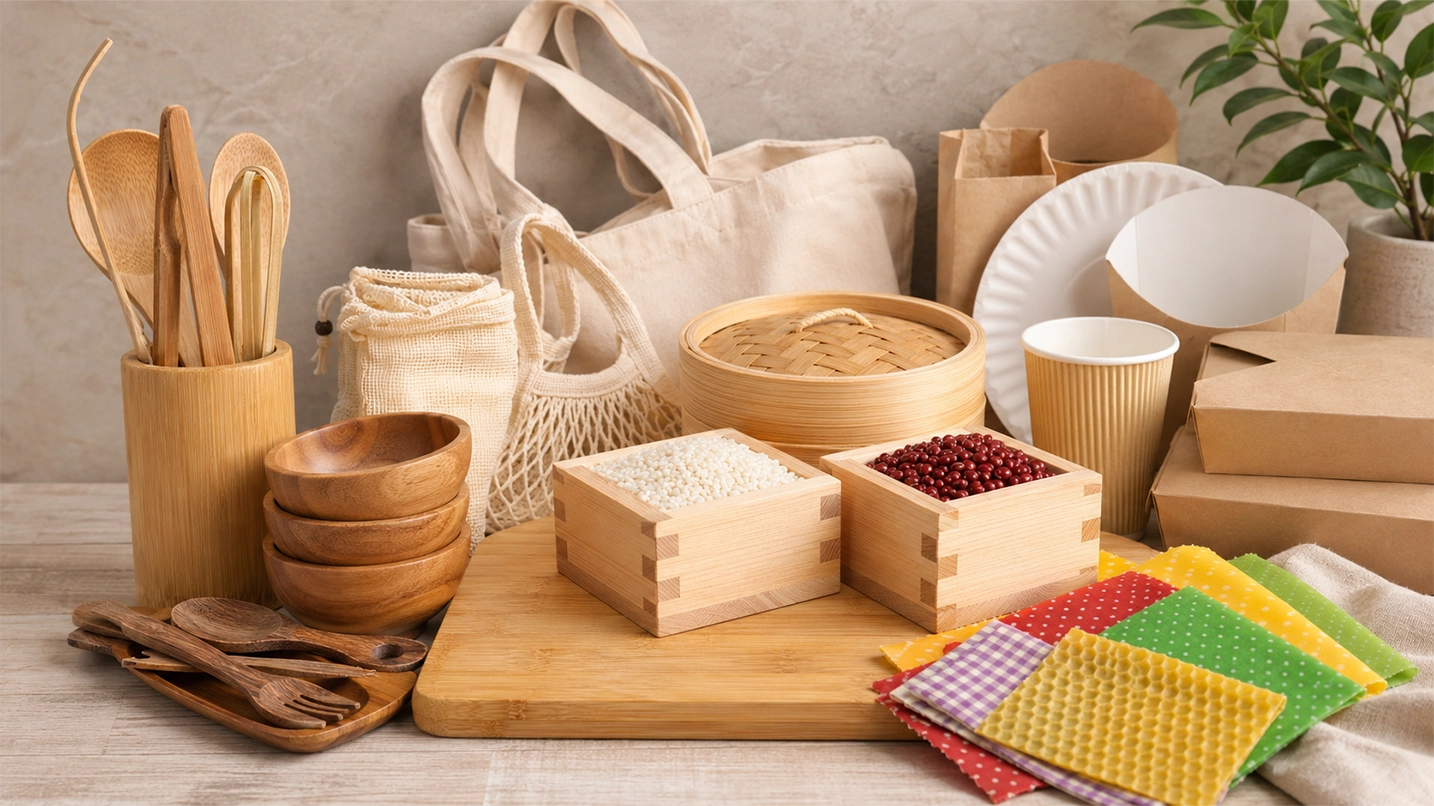
Quality cleaning tools made from sustainable materials work as well as plastic alternatives while lasting dramatically longer. Bamboo brushes with natural bristles scrub effectively without shedding synthetic fibers into waterways. Coconut fiber scrubbers clean powerfully while biodegrading harmlessly. Wood-handled tools age beautifully, developing character through use rather than degrading. Organic cotton cloths wash endlessly without pilling or breaking down. Investing in quality means tools become reliable companions rather than disposable consumables.
For manufacturers and suppliers, sustainable positioning demands authentic durability. Materials must perform reliably through countless uses. Bristles should resist shedding. Handles must remain secure. Finishes need to withstand moisture and soap exposure.
For retailers and restaurants, tool selection reflects operational values. Quality sustainable tools reduce supply costs significantly. Educational marketing helps customers understand per-use economics favor durable alternatives.
This category connects manufacturers with businesses and households who understand that cleaning effectiveness and environmental responsibility need not compete.
Discover quality manufacturers. Compare material durability. Source tools that clean consciously.

Food Wraps & Covers
Food Wraps & Covers: Replacing Plastic With Purpose
A parent opens their refrigerator and sees plastic wrap everywhere. A plate covered. A bowl sealed. Half a lemon wrapped. Avocado protected. Each piece will be used once, then discarded. Over a year, a single household generates incredible volume of plastic wrap destined for landfills where it'll persist for centuries. The moment of recognition feels overwhelming. A restaurant owner calculates single-use wrap costs and realizes that reusable alternatives would pay for themselves within months while eliminating disposal expenses. A food manufacturer searches for packaging solutions that align with sustainability commitments and discovers alternatives that perform reliably while reducing environmental impact. These moments reveal something important: eco-friendly food wraps represent practical solutions where convenience and responsibility converge beautifully.
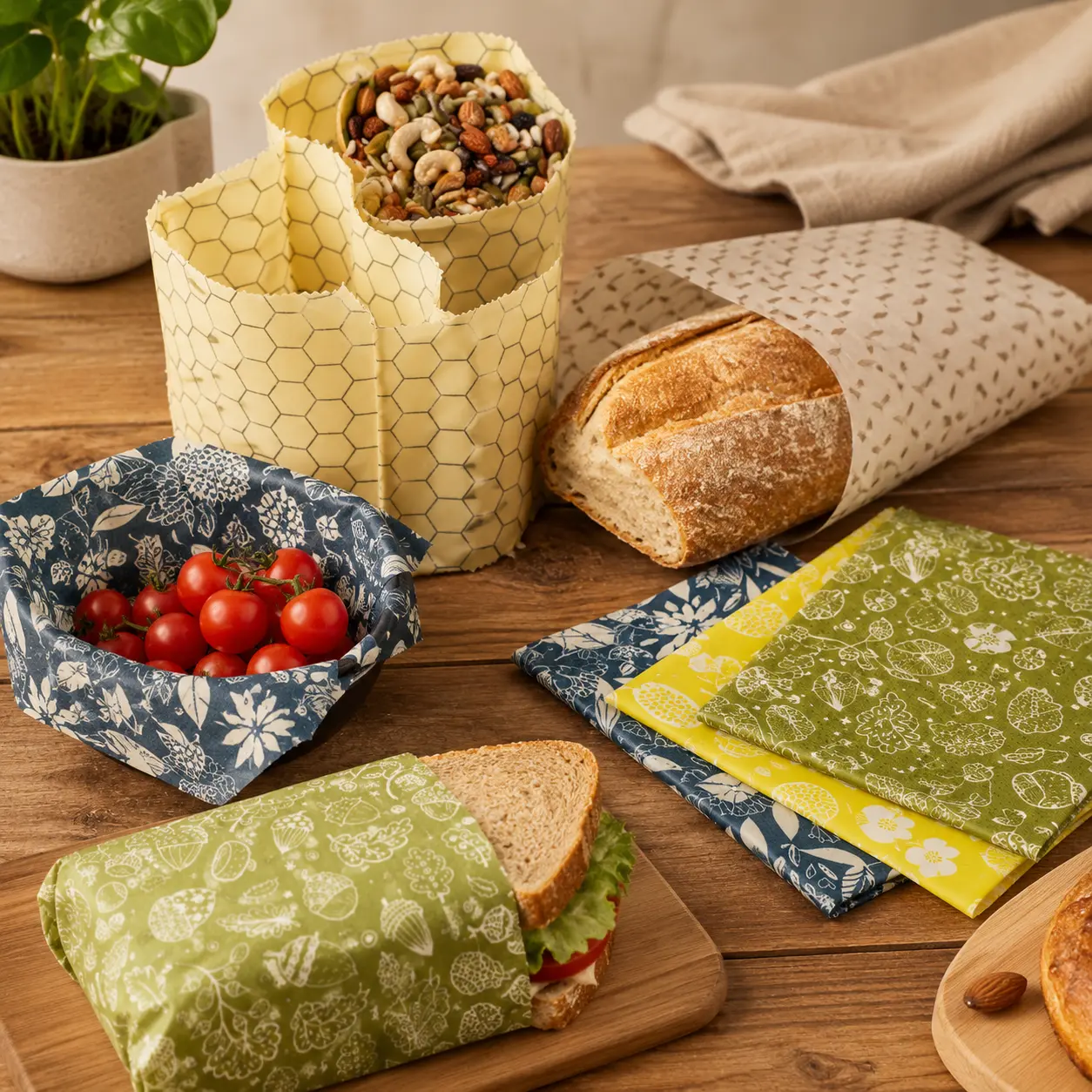
Beeswax wraps transform cotton fabric into reusable covers that cling naturally, requiring no adhesive. They soften with hand warmth, conform to containers, and last years before composting completely. Silicone covers stretch to fit any bowl or container, eliminating wrap waste entirely. Glass storage containers provide durable alternatives to plastic, lasting decades while remaining microwave and dishwasher safe. Parchment paper serves specific applications sustainably. Each solution addresses different food storage needs while eliminating single-use waste.
For manufacturers and suppliers, material quality becomes essential. Beeswax must be organic and responsibly sourced. Silicone needs food-grade certification and proven durability. Construction determines whether products survive years of use or disappoint quickly.
For restaurants and retailers, wrap alternatives reduce supply costs significantly while communicating environmental commitment. Educational marketing helps customers understand economic benefits alongside sustainability gains.
This category connects manufacturers with businesses and households who recognize that food storage innovation transforms waste into opportunity.
Discover quality manufacturers. Compare coverage options. Source wraps that replace plastic responsibly.

Food Storage Containers
Food Storage Containers: Durability That Lasts Decades
A person opens their kitchen cabinet and counts dozens of plastic containers of varying sizes, many with cracked lids or discolored walls. Some are missing partners. Some leaked into other foods years ago. Each one represented a purchase intended to last. Few did. The accumulation represents money wasted and environmental damage compounded. A restaurant manager realizes single-use containers drive significant waste costs while creating disposal challenges. A food manufacturer searches for packaging solutions that deliver product protection while respecting environmental responsibility. A household discovers that quality glass containers outlast plastic alternatives by decades, making per-use cost dramatically lower. These moments reveal something powerful: eco-friendly food storage containers represent investments where durability and sustainability align perfectly.
Quality containers made from glass, stainless steel, or sustainably sourced materials outperform plastic across nearly every measure. Glass containers survive countless uses without degrading, staining, or absorbing odors. Stainless steel remains indestructible, lasting lifetimes through heavy use. Bamboo-based containers biodegrade harmlessly at end of life. Silicone lids replace plastic seals without off-gassing concerns. Investing in quality means storage transforms from consumable replacement cycle into reliable kitchen infrastructure.
For manufacturers and suppliers, sustainable positioning demands uncompromising durability. Materials must withstand temperature extremes from freezer to microwave. Seals need to remain airtight across hundreds of uses. Construction should survive dropping without breaking.
For restaurants and retailers, container selection reduces operational costs significantly. Quality options eliminate frequent replacement expenses. Educational marketing helps customers understand how per-use economics favor durable alternatives.
This category connects manufacturers with businesses and households who understand that food storage excellence and environmental responsibility represent the same investment.
Discover quality manufacturers. Compare material options. Source containers that preserve food and planet.

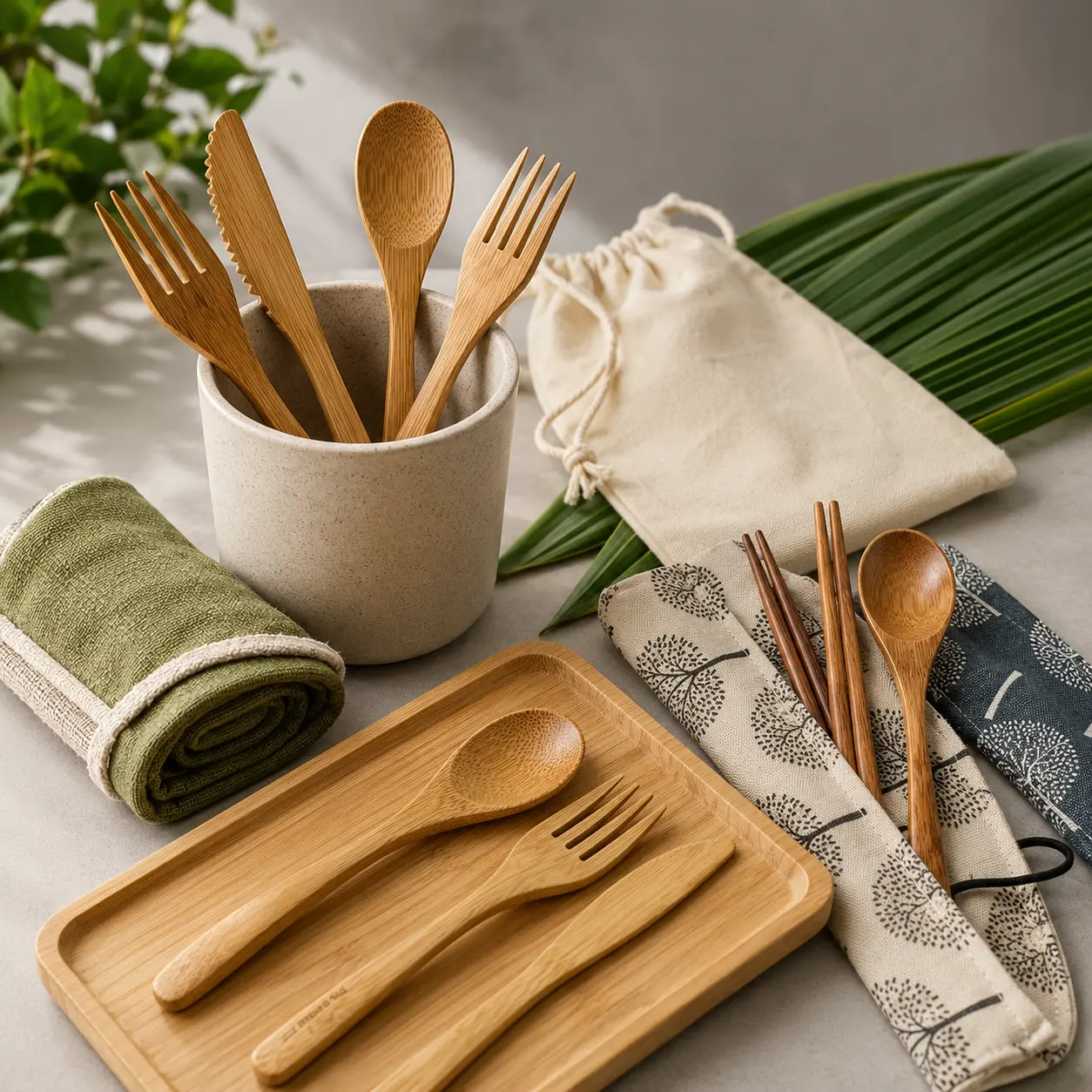
Flatware, Cutlery & Straws
Flatware, Cutlery & Straws: Eliminating Single-Use One Meal At a Time
A restaurant finishes service and watches staff dispose of thousands of plastic forks, spoons, and knives used for minutes but destined to persist in landfills for centuries. A cafe serves drinks with plastic straws that appear in oceans, tangled in marine life, fragmented into microplastics poisoning ecosystems. A food delivery service calculates packaging costs and realizes that single-use cutlery represents significant expense multiplied across millions of meals. A household washing dishes realizes they've generated mountains of plastic cutlery from takeout over the years, each piece used once, then forgotten. These moments reveal something undeniable. Single-use cutlery and straws represent waste that innovation has already solved. The only question remaining is whether we choose solutions.
Eco-friendly alternatives perform as well as plastic while lasting decades instead of minutes. Bamboo flatware provides warmth and natural beauty, biodegrading harmlessly when use finally ends. Stainless steel cutlery survives thousands of uses, becoming kitchen infrastructure rather than consumable. Wooden spoons and forks offer charm alongside sustainability. Reusable straws made from stainless steel, bamboo, or glass eliminate single-use waste entirely. Each solution addresses specific needs while eliminating environmental damage.
For restaurants and food service, reusable systems reduce per-meal costs substantially. Investing in quality cutlery pays for itself within months as single-use purchasing ends. Reusable straws marketed as brand commitment attract environmentally conscious customers. Cleanup becomes operational routine rather than additional expense.
For retailers and manufacturers, eco-friendly positioning reflects genuine commitment. Material quality determines whether products survive years of use. Educational marketing helps customers understand economic benefits alongside environmental gains.
This category connects manufacturers with restaurants and households who understand that eliminating single-use cutlery transforms daily choices into meaningful environmental action.
Discover quality manufacturers. Compare durability standards. Source cutlery that serves generations.

Drinkware
Drinkware: Sipping With Purpose, Lasting Across Years
A commuter carries a disposable coffee cup to work and thinks nothing of it. By day's end, it's trash. Tomorrow brings a new cup. Over a year, that single person discards hundreds of cups destined for landfills. Multiply by billions of people globally and the magnitude becomes staggering. A parent packs their child's lunch with a plastic water bottle used once, then replaced. A restaurant serves hundreds of beverages daily in paper cups lined with plastic, creating disposal challenges that landfills cannot adequately process. A person recognizes the pattern and decides something fundamental needs to change. They invest in quality drinkware that goes everywhere with them, eliminating the need for disposable cups entirely. That single decision multiplies when communities embrace it.
Eco-friendly drinkware transforms daily rituals into sustainable choices. Stainless steel bottles keep beverages at desired temperatures for hours while lasting decades through regular use. Glass cups offer beauty alongside functionality, aging gracefully rather than degrading. Bamboo-based drinkware provides lightweight durability with natural sustainability. Ceramic mugs develop character through years of use, becoming beloved companions. Each option eliminates single-use waste while delivering quality that disposable alternatives cannot match.
For manufacturers and suppliers, sustainable positioning demands uncompromising quality. Insulation must maintain temperature effectively. Durability means surviving years of daily use, dropping, and dishwashers. Construction should prevent leaking and degradation.
For retailers and coffee shops, reusable drinkware programs reduce waste costs while building customer loyalty. Incentivizing customer-provided cups transforms environmental commitment into shared responsibility.
This category connects manufacturers with individuals and businesses who understand that drinkware choices represent daily opportunities for meaningful environmental action.
Discover quality manufacturers. Compare insulation options. Source drinkware that sustains daily rituals.

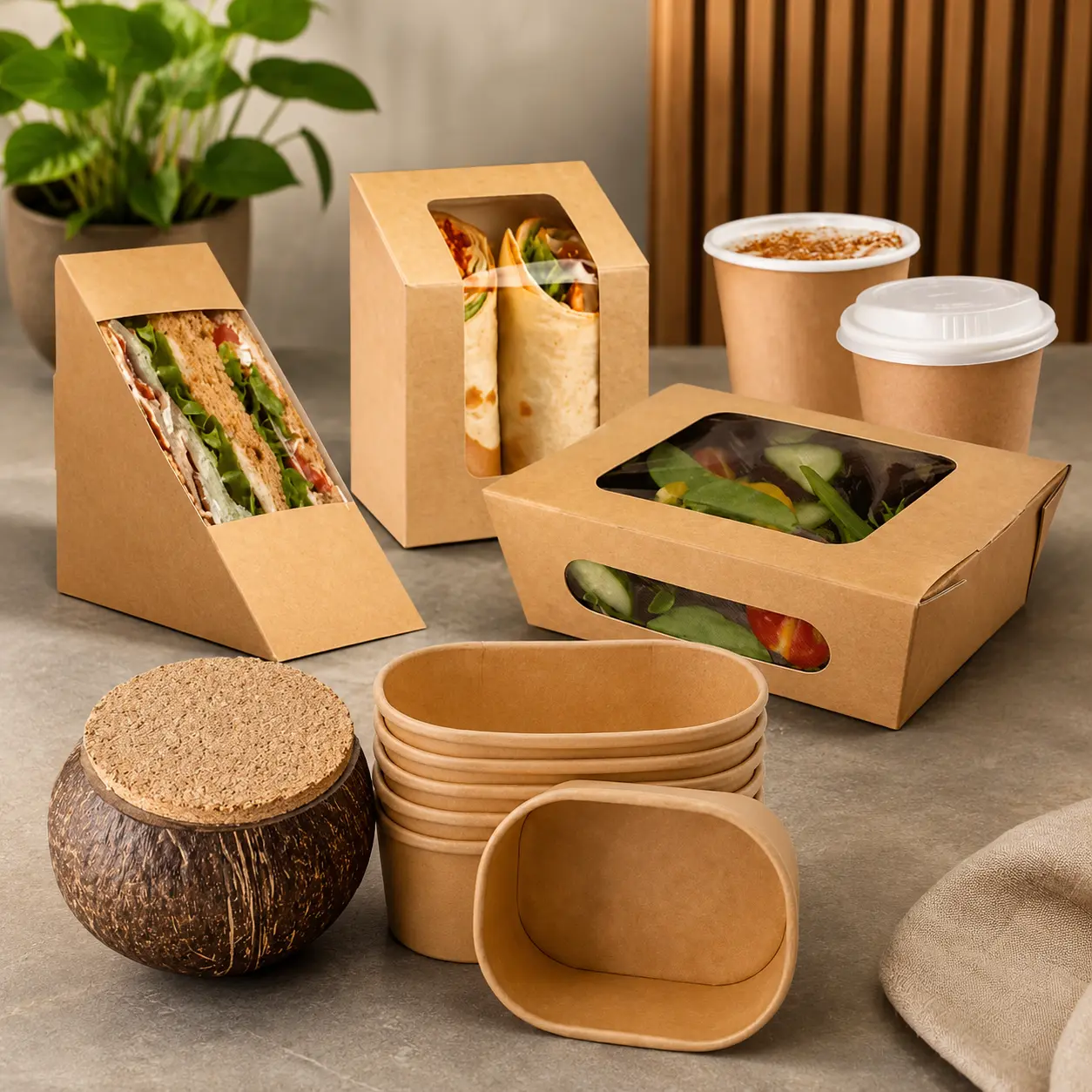
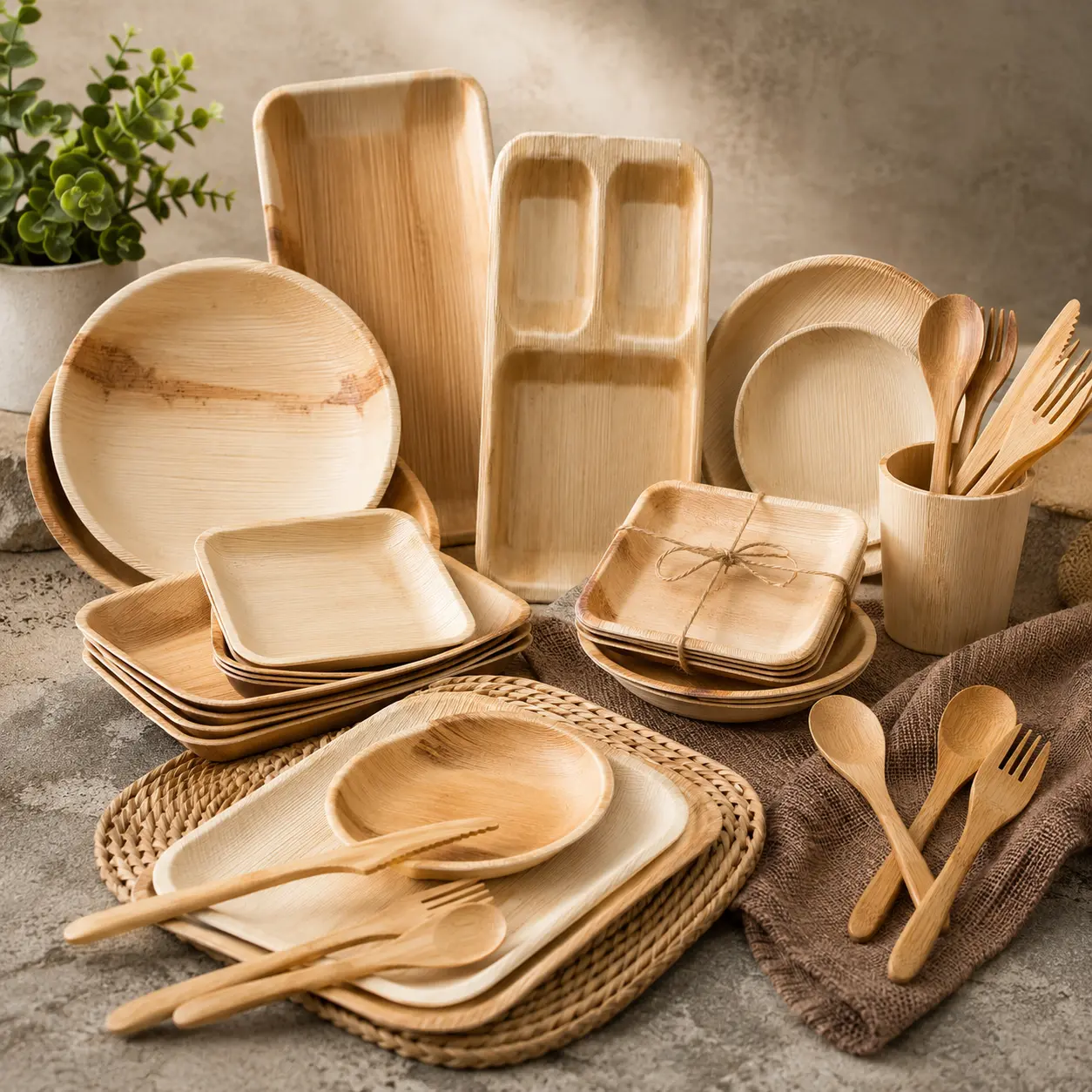
Eco-Friendly Dinnerware
Eco-Friendly Dinnerware: Transforming Tables Into Sustainability Stories
A family sits down to dinner using plates they've owned for decades. The ceramic has slight chips from years of use, tiny imperfections that mark history. They've been washed hundreds of times. They'll be washed hundreds more. These plates represent something profound. They're not disposable. They're not replaceable. They're infrastructure for daily living, valued precisely because they endure. A restaurant owner calculates the cost of single-use dinnerware against investing in quality reusable pieces and realizes that durability dramatically reduces per-meal expenses while eliminating disposal challenges. A food service manager recognizes that eco-friendly dinnerware communicates environmental commitment to customers increasingly concerned about sustainability. A household discovers that choosing quality over convenience transforms meals into something meaningful.
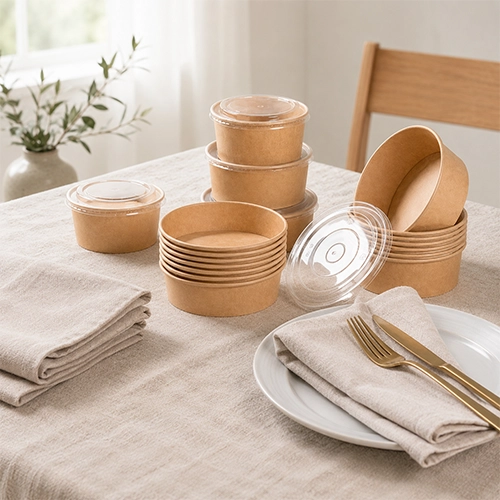
Eco-friendly dinnerware made from sustainable materials performs beautifully while lasting indefinitely. Ceramic and stoneware age gracefully, developing patina that speaks of use and care. Bamboo-based dinnerware provides lightweight durability with natural sustainability. Recycled materials transform waste into tableware that performs reliably. Each option eliminates single-use waste while delivering quality that disposable alternatives cannot match.
For manufacturers and suppliers, sustainable positioning demands material integrity. Glazes must be food-safe and durable. Construction needs to withstand dropping and dishwashers. Design should celebrate rather than hide natural material characteristics.
For restaurants and retailers, dinnerware selection reflects operational values. Quality pieces reduce replacement costs significantly. Distinctive design builds brand identity. Educational marketing helps customers understand how durability serves both budget and environment.
This category connects manufacturers with businesses and households who understand that dinnerware choices represent daily opportunities where environmental responsibility and practical excellence strengthen each other.
Discover quality manufacturers. Compare material options. Source dinnerware that honors tables and planet.

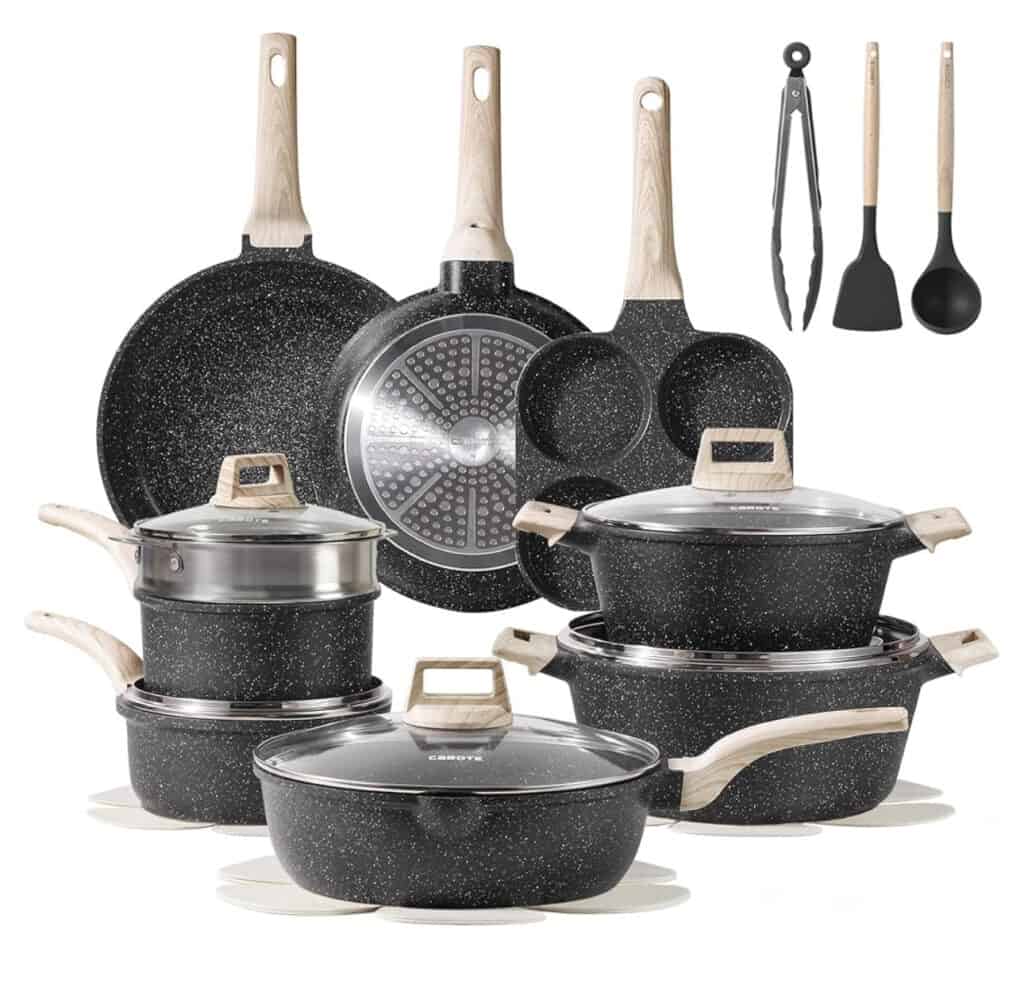
Non-Toxic Cookware
Non-Toxic Cookware: Cooking Safely, Feeding Your Family With Confidence
A parent cooks dinner and suddenly wonders what's happening at the microscopic level. Is the non-stick coating breaking down slightly into the food? Are chemicals leaching invisibly into the meal they're serving their children? The question transforms a routine dinner into something charged with worry. A cook researches their cookware and discovers that some materials release concerning compounds when heated. The realization feels unsettling. They want cooking equipment they can trust completely, without wondering whether they're inadvertently poisoning the people they love.
Non-toxic cookware addresses these legitimate concerns directly. Stainless steel performs reliably without chemical coatings that degrade over time. Cast iron seasons naturally, eliminating need for synthetic non-stick treatments. Ceramic-coated options provide non-stick performance without PFOA or PTFE compounds linked to health concerns. Glass cookware eliminates metal leaching entirely while remaining transparent so cooks see what's happening inside. Carbon steel offers performance similar to cast iron with lighter weight and faster heating.
For home cooks, choosing non-toxic cookware represents investment in family health. Quality pieces outlast cheaper alternatives by decades, making per-use cost dramatically lower. Learning proper care transforms cookware into reliable equipment that improves with age rather than degrading.
For manufacturers and suppliers, non-toxic positioning demands transparency about materials and manufacturing processes. Third-party testing builds credibility. Educational content helps consumers understand why traditional coatings concern many people and how alternatives deliver safety alongside performance.
This category connects manufacturers with consumers who understand that cooking equipment choices directly affect health and that quality non-toxic options deliver both safety and reliability.
Discover quality manufacturers. Compare material safety. Source cookware that protects families.